Trump’s Greenland Hospital Ship Offer Fueled by One Man’s Grief
A single construction worker's grief at a Mardi Gras celebration inadvertently triggered Donald Trump's offer to send a U.S. hospital ship to Greenland. The offer was met with confusion and rejection by Greenland, highlighting a personal tragedy's outsized impact on international relations.

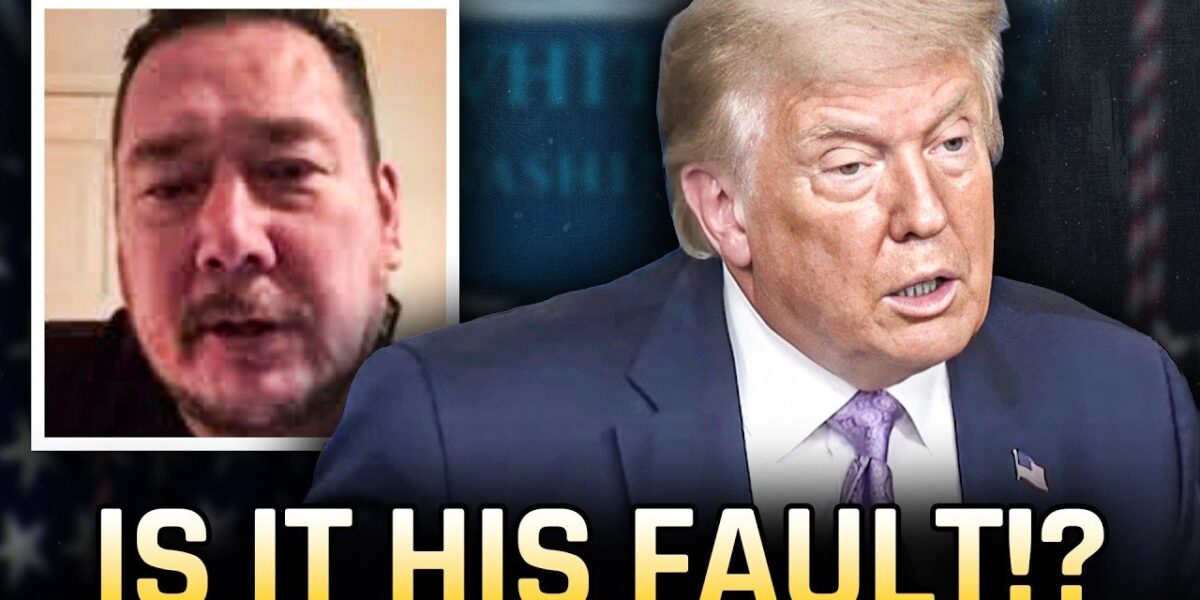
Hospital Ship Fiasco Traced to Mardi Gras Conversation
In a surprising turn of events that led to international confusion and a significant diplomatic kerfuffle, the origins of former President Donald Trump’s declaration to send a U.S. military hospital ship to Greenland have been traced back to a conversation at a Mardi Gras celebration in New Orleans. The initiative, announced seemingly without prior consultation or apparent need, was reportedly sparked by a Greenlandic construction worker’s personal tragedy and subsequent complaint to Louisiana Governor Jeff Landry.
A Misguided Offer to a Nation in Need?
Last weekend, Donald Trump announced via his social media platform, Truth Social, that a U.S. military hospital ship was en route to Greenland to assist its citizens with healthcare needs. The announcement was met with immediate bewilderment from Greenlandic officials and European allies. Greenland, an autonomous territory within the Kingdom of Denmark, does not currently face a widespread health emergency, pandemic, or a crisis of critical illness that would necessitate such a deployment. Greenland’s government swiftly declined the offer, implicitly suggesting the U.S. should focus on its own healthcare system.
The Unlikely Catalyst: Jørgen Bønsen
The mystery behind the unsolicited offer began to unravel when Jørgen Bønsen, a 52-year-old Greenlandic construction worker and self-proclaimed Trump supporter, spoke to The Wall Street Journal. Bønsen revealed that he was the individual who inadvertently set the wheels in motion. He had been invited to Louisiana as part of a delegation, having helped organize a visit for Donald Trump Jr. to Greenland. During a cultural exchange trip at Mardi Gras, Bønsen engaged in a conversation with Governor Jeff Landry, who also serves as the U.S. envoy to Denmark and Greenland.
Personal Tragedy Fuels a Diplomatic Misstep
“We have a healthcare problem in Greenland and uh it sucks,” Bønsen reportedly told Landry during the festivities.
Bønsen’s grievance stemmed from the tragic death of his mother from sepsis, which he attributes to a misdiagnosis at a rural clinic in Greenland. While acknowledging the personal pain behind Bønsen’s experience, the narrative highlights the disproportionate impact of a single individual’s grief on international relations. The transcript suggests that Bønsen’s emotional recounting of his mother’s death, while understandable, was taken by Landry as representative of a systemic healthcare crisis affecting the entire nation.
From Mardi Gras Complaint to Presidential Decree
According to the account, Bønsen’s complaint, voiced during a Mardi Gras party, was then relayed by Governor Landry to former President Trump. Landry reportedly presented the issue not as a personal anecdote, but as a broader concern raised by Greenlandic citizens about a deteriorating healthcare system. The transcript implies that Landry simplified the situation, telling Trump that “Everybody in Greenland is saying the health care system’s deteriorating and nobody can get care.” This simplified, and arguably exaggerated, reportage led directly to Trump’s public announcement on Truth Social. The hospital ship, the USNS Comfort, was not, in fact, ready for deployment; it remains docked in Mobile, Alabama, undergoing significant maintenance.
Broader Implications and Questions Raised
This episode raises significant questions about the decision-making processes within the former president’s circle and the potential for personal anecdotes to influence foreign policy. The incident underscores the importance of verifying information and understanding the nuances of complex situations before making public declarations, especially those with international implications. It also highlights the potential for well-intentioned, yet perhaps misguided, actions to create diplomatic friction. The fact that a single construction worker’s personal grievance, amplified through a political intermediary, could lead to such a widely publicized and ultimately rejected offer of aid, speaks volumes about the unconventional nature of the Trump administration’s foreign policy engagements.
What’s Next?
Moving forward, attention will likely remain on the diplomatic channels between the U.S. and Greenland, as well as the broader implications for how such offers of aid are conceived and communicated. It will be crucial to observe whether this incident leads to any adjustments in how information is gathered and disseminated within political circles, and how Greenland’s actual healthcare needs might be addressed through more conventional diplomatic and collaborative means.
Source: Idiot Trump Supporter Admits He's Behind Trump's Hospital Ship Fiasco (YouTube)

Related Articles

Trump’s Middle East Gambit: Escalation or Empty Threat?
The US is sending troops and imposing a blockade in the Middle East, signaling escalation. Yet, conflicting messages from Donald Trump suggest peace is near. This analysis explores the contradictory actions, Iran's defiant response, and the potential global economic and political fallout.

Trump’s Memo: A Political Play, Not a Paycheck Promise
A presidential memo intended to pay TSA workers during a shutdown was more political theater than a legal solution. Lacking the constitutional "power of the purse," the memo offered false hope, highlighting the separation of powers and the limits of executive authority.


Vance Defends Trump: Epstein Friendship Claim Is A Hoax
Senator JD Vance asserts that claims of Donald Trump being close friends with Jeffrey Epstein are a "hoax." Vance cited emails suggesting a mutual dislike and even Trump reporting Epstein to authorities, arguing this refutes the "best friend" narrative pushed by Democrats.