Baby Deaths Misrecorded as Stillbirths to Avoid Inquests
A new report reveals some NHS hospitals may be recording baby deaths as stillbirths to avoid inquests, denying families answers. The findings highlight a lack of transparency and potential systemic issues within maternity care.

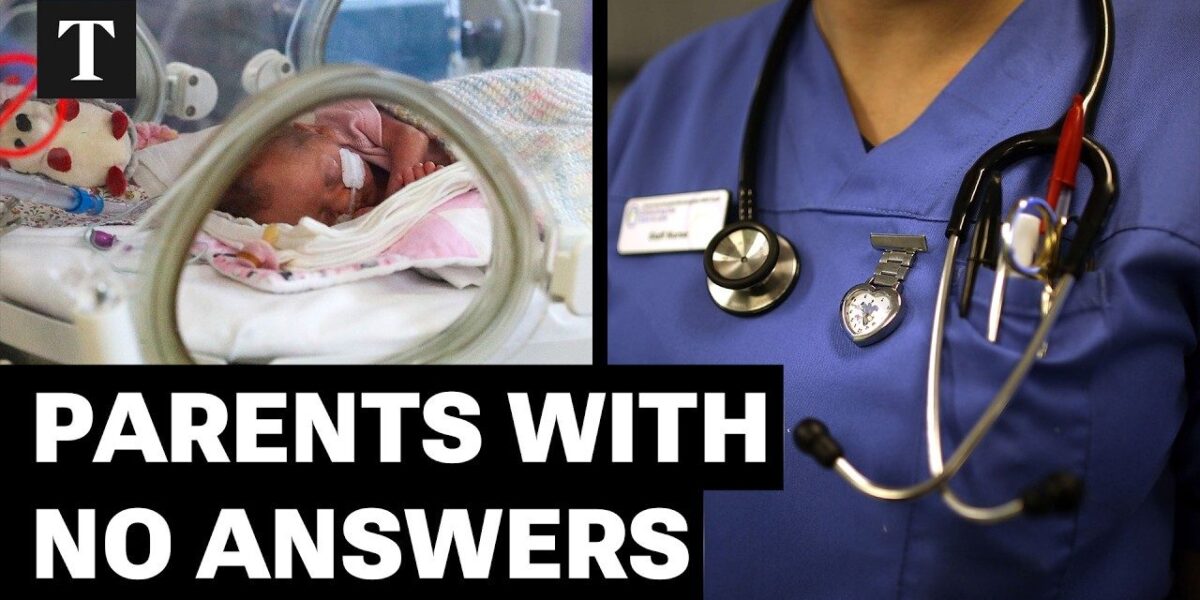
Report Reveals ‘Lack of Transparency’ in NHS Maternity Care
A critical report into NHS maternity failings has uncovered a disturbing practice where some baby deaths are being recorded as stillbirths to circumvent the legal requirement for inquests. This alleged misrepresentation, detailed in interim findings by Baroness Amos, suggests a systemic issue of transparency and accountability within some maternity units, potentially leaving grieving families without crucial answers about their babies’ deaths.
Inquests Blocked by Stillbirth Classification
Under current UK law, coroners are prohibited from holding inquests into stillbirths. An inquest can only be convened if there is evidence of life after birth, regardless of how short the duration. This legal distinction means that if a baby is deemed stillborn – having died in the womb – their death is not subject to the same level of scrutiny as a baby born alive and who subsequently dies. The report highlights distressing examples, such as a mother whose baby, after receiving 30 minutes of CPR, was declared dead and subsequently recorded as stillborn. The mother questioned the CPR efforts if the baby had indeed died in the womb, a discrepancy that ultimately prevented an inquest and, in her view, denied her closure and clarity.
“She was saying, ‘Well, if my baby died in the womb, why were you doing CPR for half an hour?’ But it meant that she couldn’t then have an inquest. And so, she felt she never got clear answers about the circumstances.”
Incentives to Avoid Scrutiny?
The report suggests that hospitals may be incentivized to classify deaths as stillbirths to avoid the potentially lengthy and public process of an inquest. While Baroness Amos’s interim findings do not explicitly conclude that this is done with malicious intent to cover up errors, the practice undeniably feeds into a broader culture of a “lack of transparency.” This lack of openness, according to the report, prevents parents from obtaining clear answers and hinders the NHS’s ability to learn from mistakes, perpetuating a cycle of harm and failure.
Broader Issues of Discrimination and Neglect
The review, commissioned by Health Secretary Wes Streeting last summer, is a rapid national investigation into the shortcomings of maternity care, following a series of scandals. Baroness Amos’s focus on 12 poorly performing NHS trusts has brought to light several deep-rooted problems that extend beyond the issue of stillbirth classification. The report warns of structural racism and discrimination, noting that Black and Asian women consistently experience worse outcomes than white women. It also points to a pervasive lack of kindness and compassion in interactions with vulnerable women, with instances of dismissive or inappropriate remarks from healthcare professionals.
Furthermore, the report identifies issues with inadequate infrastructure, citing an example where rain was falling on a maternity ward due to a leaking roof. These fundamental failures contribute to a broader problem where women often blame themselves for adverse outcomes, as they are not provided with truthful explanations by healthcare providers.
Families Demand Action, Not Just Reviews
The families who have been affected by maternity failings have expressed frustration with the ongoing cycle of reviews and investigations that have, thus far, failed to bring about significant change. Over the past decade, approximately 750 recommendations have been made to the NHS to improve maternity care, yet the report indicates that the situation is worsening. Many families are calling for a full public statutory inquiry, believing it would possess greater power to effect meaningful reform than the current review process.
Critics have questioned the efficacy of yet another report detailing the problems without issuing concrete recommendations. The interim findings, while highlighting severe issues, did not include specific proposals for improvement.
Government Response and Future Outlook
Health Secretary Wes Streeting has indicated that the government is taking the report seriously and is committed to establishing a task force to develop a plan. However, concerns remain about the pace of change, with families and commentators pointing out the extended timeline from the commissioning of the report to the eventual implementation of any plans. The process now involves the interim findings, a forthcoming final report in the summer, followed by the task force and subsequent plan – a timeline that stretches over several years.
The core issues raised by Baroness Amos’s review – transparency, accountability, discrimination, and the need for investment and cultural change – represent significant challenges for the NHS. While some maternity services continue to provide excellent care, the systemic problems identified demand urgent and decisive action to ensure the safety and well-being of mothers and babies across the country.
The coming months will be crucial in determining whether the government’s proposed task force can translate the findings of this report into tangible improvements, or if the cycle of reviews and unfulfilled recommendations will continue, leaving more families in distress.
Source: ‘Lack Of Transparency’: Report Finds Some Baby Deaths Recorded As Stillbirths, Preventing Inquests (YouTube)

Related Articles


Health Minister Defends NHS Reforms Amid Defense Criticism
Health Minister Karen Smith announced new community diagnostic centers to boost NHS testing capacity and cut wait times. The move aims to bring care closer to patients and improve survival rates. The minister also defended the government's defense spending plans amid sharp criticism from a former NATO chief.


Doctors Strike Again: Pay Dispute Threatens NHS Services
Resident doctors are launching a six-day strike next week, marking their 16th walkout since March 2023, as a pay dispute with the government remains unresolved. Doctors are demanding their salaries be restored to 2008 levels, arguing that the NHS is critically understaffed and underfunded. The NHS is preparing for potential monthly strikes throughout the year.


NHS Masters Strike Management, But Patient Care Still Suffers
The NHS has developed a strong capacity to manage strike actions, leading to surprisingly efficient operations during industrial disputes. However, this adaptation comes at a cost, with patient care still significantly disrupted and staff morale suffering under immense pressure.