Concerns Mount Over Trump’s Cognitive State and Global Impact
Concerns are escalating regarding President Trump's cognitive state, with insiders and reports suggesting increased erratic behavior that could impact U.S. foreign policy. The controversy surrounding the non-release of key Epstein files and unusual FBI personnel firings further fuels public scrutiny.

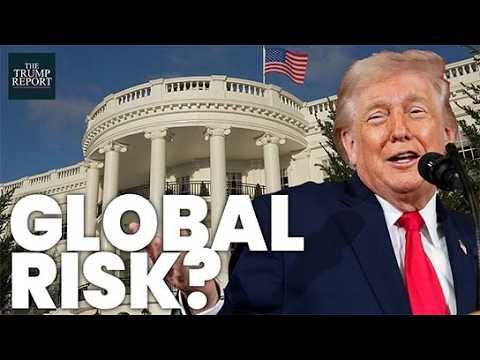
Insiders Express Growing Worry Over President’s Erratic Behavior
Recent reports and observations from individuals close to the political sphere are fueling concerns regarding President Donald Trump’s cognitive state and its potential ramifications for U.S. foreign policy and global stability. A Financial Times article by Edward Luce posits that Trump’s impulsiveness, grievance-driven politics, and hypersensitivity to perceived slights are increasingly shaping international relations in unpredictable ways, citing uncertainty over Ukraine’s future, tensions with NATO, trade tariffs, and the volatile nature of his cabinet appointments as key examples.
White House correspondent Andrew Feinberg, speaking on The Trump Report, shared insights from conversations with individuals across the political spectrum, both domestically and internationally. While declining to offer a personal opinion as a non-columnist, Feinberg stated that a growing number of contacts express increasing concern about the President’s mental condition. He noted that while Trump has always been perceived as a “wild card” whose decisions can change rapidly, there is a developing sentiment that his recent actions have become more erratic, potentially posing significant detriments to the U.S. and the world.
Polling data appears to corroborate these sentiments, with an increasing number of Americans expressing concern about the President’s fitness for office, even early in his term. Feinberg drew a parallel to the concerns surrounding President Joe Biden’s fitness for office, which intensified significantly after the June 2024 debate, ultimately leading to Biden’s exit from the presidential race. While Trump is term-limited, he is the oldest person to be sworn into a second term and will soon approach 80. Observers have noted a perceived decrease in his energy levels and a reduction in public events compared to previous presidential post-State of the Union schedules, which typically involve extensive campaigning to promote policy initiatives.
Shifting Political Landscape and Public Perception
Feinberg elaborated on his conversations, clarifying that his sources are not necessarily elected officials but individuals with “windows into the thinking of elected officials.” He pointed to a noticeable difference in Trump’s demeanor and speech patterns when comparing his 2016 campaign debates to his current public appearances. This observation echoes the public discourse surrounding President Biden, where perceptions of his cognitive abilities were a significant factor in the 2024 election cycle. The sensitivity of age and cognitive fitness in presidential candidates is a prominent issue, highlighted by former candidate Nikki Haley’s proposal for mandatory cognitive tests for government officials over 75.
Despite the growing public concern reflected in polls, Feinberg noted that during his 2023-2024 campaign for re-election, Trump projected an image of robust physicality and high energy through frequent rallies and public appearances. This contrasted with the perception of his opponent, who, despite being in good physical shape, was seen as less dynamic due to a less frequent public presence and fewer interactions with the press. However, Feinberg observed that Trump himself appears to be “retreating a bit,” a change that is becoming increasingly noticeable and may be resonating with the American public.
Diplomacy, Ukraine, and the Epstein Files Controversy
In international affairs, a recent phone call between President Trump and Ukrainian President Volodymyr Zelenskyy focused on discussions regarding ongoing peace talks and preparations for future negotiations. Zelenskyy indicated that the call addressed issues that representatives would pursue in bilateral and trilateral meetings. Trump reportedly supports this diplomatic sequence. However, the U.S. abstention from a UN General Assembly vote on a resolution for lasting peace in Ukraine, coinciding with the four-year anniversary of Russia’s invasion, has drawn scrutiny. Feinberg characterized Trump’s stance on Ukraine as a consistent desire to see the war end, primarily to claim credit for it, rather than a deeply sophisticated geopolitical strategy.
The ongoing controversy surrounding the Epstein files continues to generate significant attention. Reports indicate that FBI Director Christopher Wray has reportedly fired at least 10 employees involved in the investigation into classified documents at Mar-a-Lago. Feinberg described these firings as highly unusual, especially given that FBI agents are civil servants operating under judicial warrants. The timing of these dismissals, coinciding with controversy over Wray’s use of government aircraft for personal errands, has raised questions about potential political motivations and attempts to appease President Trump.
Furthermore, the non-release of 90 FBI witness records (Form 302s) from the Epstein investigation files, three of which allegedly detail serious accusations against President Trump concerning his alleged abuse of a minor, has become a focal point. Feinberg emphasized that the Epstein Files Transparency Act mandates the release of such documents without exception for political embarrassment. The continued withholding of these specific documents, despite corroboration from major news outlets, fuels speculation and prolongs the controversy, even if legal statutes of limitations would likely prevent any charges.
Calls for a special counsel to investigate these allegations, including from Democratic Congressman Dan Goldman, have been met with skepticism regarding their feasibility. Feinberg suggested that the Justice Department is unlikely to appoint a special counsel, citing past experiences with Robert Mueller and Jack Smith, and the potential career repercussions for officials like Pam Bondi, who oversees the department. The ongoing depositions of Bill and Hillary Clinton before the House Oversight Committee regarding their alleged ties to Jeffrey Epstein are also expected, though Feinberg anticipates they will yield significant “sound and fury, signifying nothing,” serving primarily as a deflection tactic by the committee.
Looking Ahead: Continued Scrutiny and Unfolding Narratives
The confluence of concerns over President Trump’s cognitive state, his foreign policy decisions, and the ongoing revelations from the Epstein files suggest a period of intense scrutiny. The coming weeks and months will likely see continued public and political debate surrounding these issues, with particular attention on how these factors influence domestic policy, international relations, and the broader political landscape. The administration’s handling of the Epstein file disclosures and the potential impact of perceived cognitive concerns on public trust will be crucial developments to monitor.
Source: Trump’s cognitive concerns explode as insiders warn he’s ‘more erratic’ (YouTube)

Related Articles
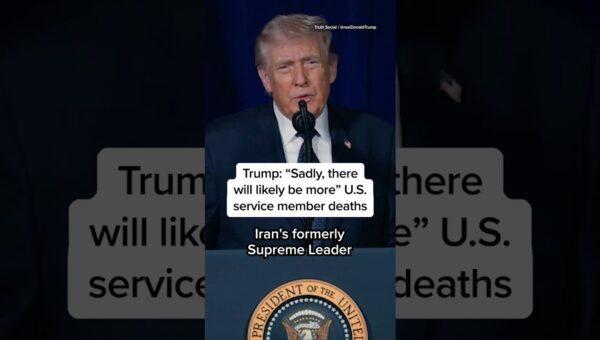
Trump Warns of More US Deaths in Escalating Conflict
Former President Donald Trump issued a somber warning on Truth Social, stating that further U.S. service member deaths are "likely" as geopolitical tensions escalate. He condemned Iran's former supreme leader, Ayatollah Ali Khamenei, and vowed retribution for fallen soldiers.

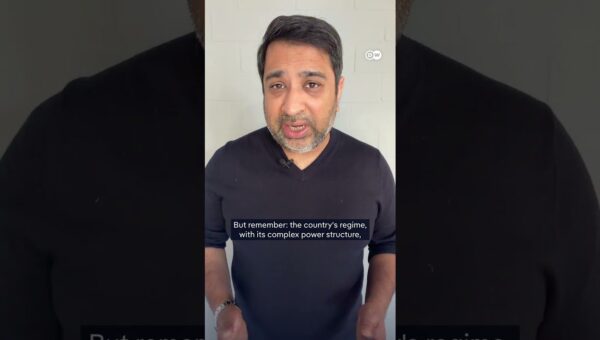
Trump Threatens “Unseen” Force on Iran After Leader’s Death
Following the assassination of Supreme Leader Ayatollah Ali Khamenei, U.S. President Donald Trump has vowed to unleash unprecedented force on Iran. While outlining ambitious goals including regime change, experts express skepticism about the effectiveness of airstrikes and the potential for popular uprising against a resilient Iranian government.
Senator Coons Questions Trump’s Iran Strategy After Troop Deaths
Senator Chris Coons has sharply criticized President Trump's strategy in Iran following the deaths of three U.S. service members. Coons questioned the intelligence regarding Iran's nuclear proximity and the lack of clear strategy and congressional debate for the "war of choice."