Trump’s State of the Union: Economy, Immigration, and the GOP’s Future
President Trump's State of the Union address saw him effectively champion immigration policies while struggling to connect with voters on economic concerns. Meanwhile, the UK's new ambassador faces diplomatic challenges amidst scandal, and Texas primaries offer a preview of the upcoming midterm battles.

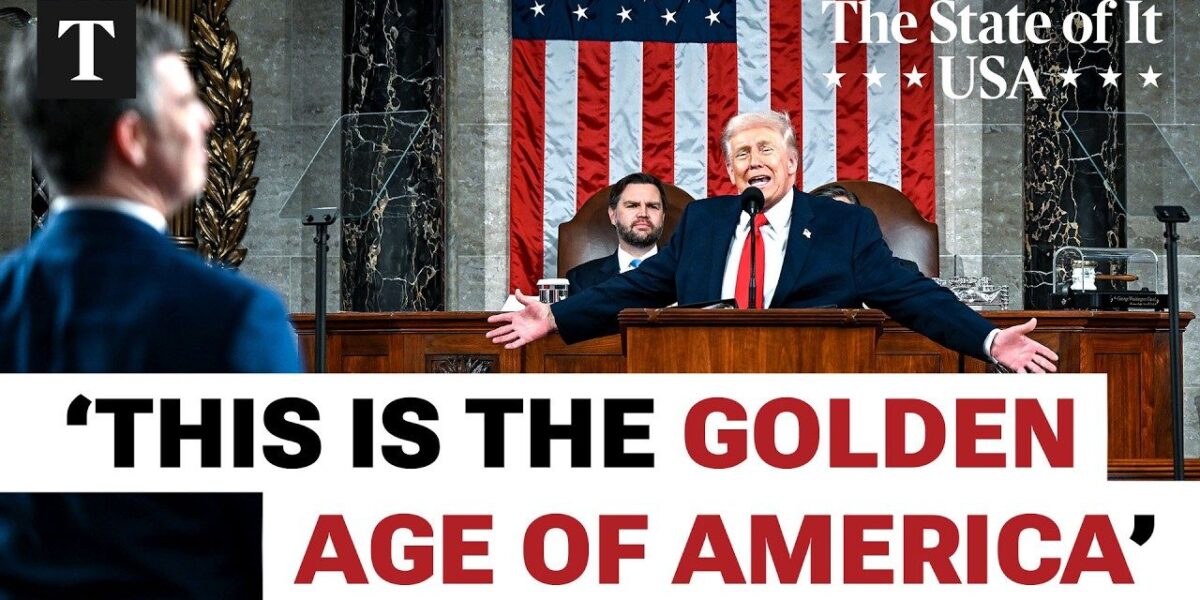
Trump’s State of the Union: A Mixed Bag of Messaging
President Donald Trump’s recent State of the Union address presented a complex picture, with analysts highlighting both strategic successes and critical failures in his messaging. While the president effectively leveraged themes of immigration and national pride, his handling of the economy drew sharp criticism, potentially impacting the Republican party’s prospects in the upcoming midterms.
Immigration: A Strong Suit for Trump
One of the key takeaways from the address was Trump’s robust defense of his immigration policies. Despite facing unfavorable poll numbers on the issue, the president argued that his administration had successfully closed the border and deported hundreds of thousands of undocumented immigrants. A particularly dramatic moment saw Trump asking attendees to stand if they believed protecting American citizens was more important than the rights of illegal immigrants, a move that effectively highlighted the partisan divide, with Democrats largely remaining seated.
“He made that point well last night. And he’s deported hundreds of thousands of people who are here illegally. And again, some of that’s been ugly, but the overall picture is undoubtedly successful.”
This strategy, according to commentators, aimed to shore up his base and frame immigration as a strength for the Republican party, especially in an election year where polls suggest the party is struggling.
Unifying Themes and the Economy’s Weakness
Beyond immigration, Trump’s address also sought to foster a sense of national unity, particularly in the lead-up to the 250th anniversary of the Declaration of Independence. The inclusion of war veterans and the presentation of military honors were seen as attempts to celebrate American heroism and patriotism, a tactic that even garnered applause from Democrats.
However, the economic message proved to be a significant stumbling block. Despite Trump’s assertions of the economy being the “greatest it’s ever been,” public sentiment remains largely negative, with concerns over high prices and the impact of tariffs. Analysts noted that the president failed to acknowledge these widespread anxieties, instead doubling down on a message that many voters find disconnected from their own financial realities.
“He’s not responding to the concerns that people have that the economy is not working for them… He keeps celebrating what a great thing the economy is when twothirds of Americans say the economy is on the wrong track.”
The Democratic response, delivered by Virginia Governor Abigail Spanberger, was noted for effectively countering Trump’s economic narrative by emphasizing that the president was not speaking to the concerns of everyday Americans.
Democratic Response and Congressional Dynamics
The reaction from Democrats to the State of the Union was varied. While some, like Ilhan Omar, were present and vocal, many others chose to boycott the address, citing their opposition to the president. The ejection of Congressman Al Green, a recurring event, and the absence of prominent figures like AOC were noted, though commentators suggested these actions had minimal impact on the overall political landscape.
The strategy employed by Trump’s campaign, as evidenced by tweets from his co-campaign chiefs, was clearly focused on generating political messaging and soundbites. The success of the address, from their perspective, lay in shifting the focus to domestic issues, away from international crises.
The Specter of Tariffs and Republican Accountability
A significant point of contention throughout the discussion was the issue of tariffs. The Supreme Court’s decision striking down Trump’s tariffs was seen by some as an opportunity for Republicans to pivot away from an unpopular policy. However, the party’s response, largely characterized by defending the tariffs and criticizing the court, highlighted a broader issue of a lack of accountability and dissent within the party, which some described as a “quasi-autocracy” centered around Trump.
The economic impact of these tariffs, which were noted as hurting the economy and being unconstitutional, was a recurring theme. The idea that tariffs could replace income tax was dismissed as mathematically unsound, with the revenue generated from tariffs being significantly lower than income and payroll taxes.
The New British Ambassador and Diplomatic Challenges
The conversation also touched upon diplomatic relations, specifically the arrival of the new British Ambassador to Washington, Dr. Christian Turner. His tenure begins amidst the ongoing fallout from the Epstein scandal involving his predecessor, Peter Mandelson. The release of the “Mandelson files” is anticipated to bring forth potentially “disobliging revelations” about the relationship between the British government and the Trump administration, creating an “awkward opening drama” for the new ambassador.
Ambassador Turner, a career diplomat unlike his politically appointed predecessor, faces the challenge of navigating “MAGA world” and repairing relations strained by past controversies and the absence of a fully functioning ambassadorship. His speech, which focused on shared interests and security, offered a subtle defense of London’s freedoms against suggestions of Sharia law, signaling a potentially more direct approach than his predecessor.
Texas Primaries: A Bellwether for November?
Looking ahead to domestic politics, the upcoming primary elections in Texas were highlighted as a critical event. The state, a Republican stronghold, has long been seen as a potential battleground for Democrats, with close Senate races in the past. This weekend’s primaries will set the stage for the general election in November.
In the Democratic race, Jasmine Crockett, a progressive and outspoken figure, is pitted against James Tarico, who emphasizes faith and is seen as potentially appealing to more traditional voters. On the Republican side, incumbent Senator John Cornin faces a strong challenge from Ken Paxton, an aggressively MAGA candidate with significant legal and ethical issues. The outcome of the Republican primary, particularly if Paxton were to win, could offer Democrats a genuine opportunity to flip the Texas Senate seat, though the general consensus remains that Cornin is likely to prevail.
The Texas primaries, therefore, serve as an early indicator of the political climate and the effectiveness of different campaign strategies as the nation moves closer to the crucial midterm elections.
Source: US Politics 2026: The Texas Primary And Gavin Newsom (YouTube)

Related Articles
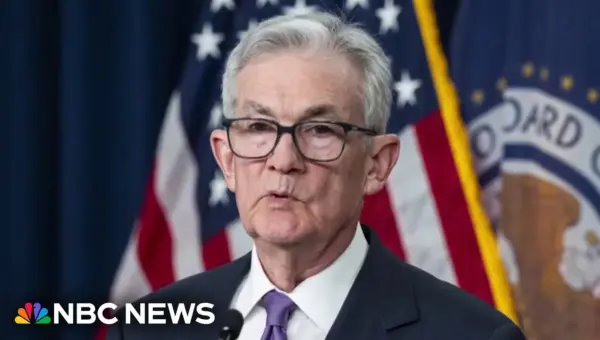
Fed Holds Rates Steady Amid Global Uncertainty, Inflation Fears
The Federal Reserve announced today it is holding interest rates steady for the second consecutive meeting. This decision comes amid rising global uncertainty, particularly due to the war in the Middle East and its impact on oil prices. The Fed also raised its inflation forecast, indicating expectations of higher consumer prices.

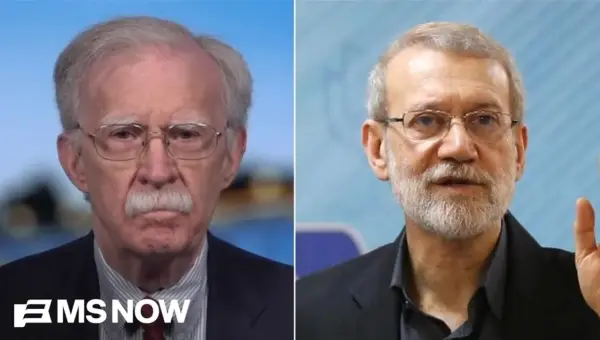
Bolton Slams Trump’s Iran Policy as ‘Snake-Like’
John Bolton, former National Security Advisor, has strongly criticized former President Trump's Iran policy as "snake-like" and lacking a clear strategy. Bolton stated that Trump's decisions were often impulsive, undermining U.S. credibility and creating instability in the Middle East. He called for a more consistent and strategically grounded approach to foreign policy.

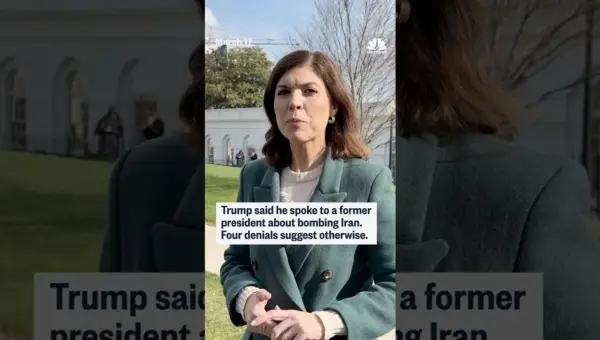
Trump Claims Presidential Call; Four Denials Emerge
Former President Donald Trump claimed he spoke with a past president who regretted not taking a certain action, implying approval of his own policies. However, aides for George W. Bush, Bill Clinton, Barack Obama, and sources close to Joe Biden have all denied any such conversations occurred. Trump has remained evasive when asked to identify the individual.