Met Police Blunder Infuriates House Speakers, Triggers Student Loan Review
The Metropolitan Police face mounting criticism after a blunder in a sensitive investigation led them to mistakenly identify sources, infuriating both the Speaker of the House of Commons and the Lord Speaker. Meanwhile, the government is under pressure to reform student loan policies due to rising costs and debt for graduates.

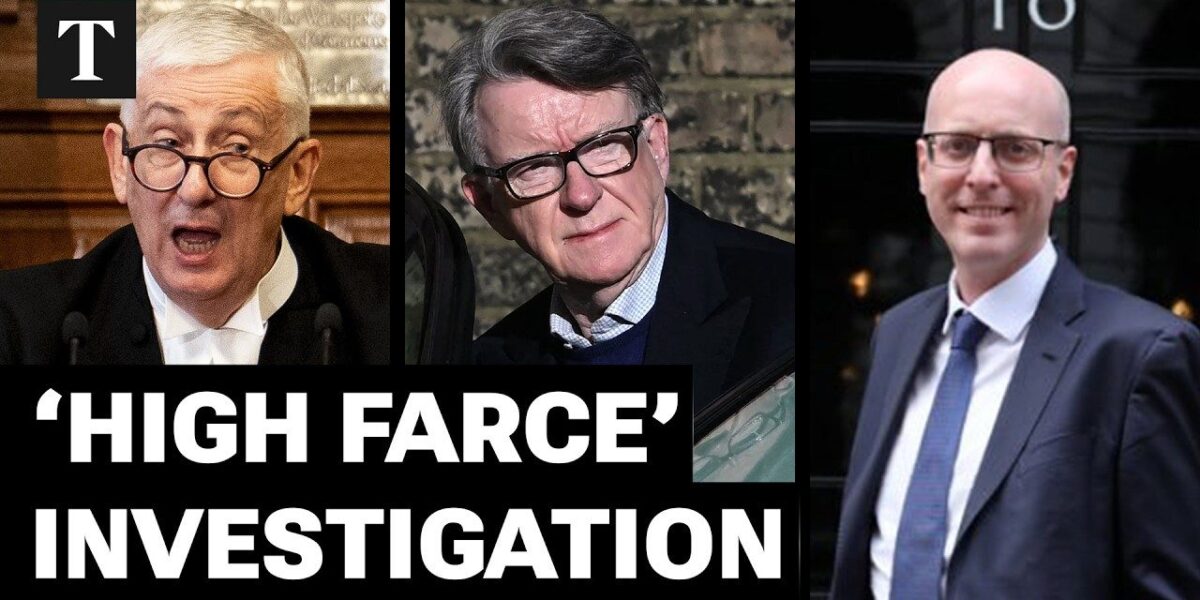
Metropolitan Police Apologize to Two Speakers After Investigation Blunder
The Metropolitan Police have been forced to issue apologies to both the Speaker of the House of Commons, Lindsay Hoyle, and the Lord Speaker, Lord McFall of Alclwyd, following a significant blunder in a sensitive investigation. The error occurred when detectives, investigating allegations concerning former ambassador Peter Mandelson, mistakenly identified the source who had alerted them to potential flight risks.
In a highly unusual turn of events, the police initially approached Mandelson, who was on bail, with information suggesting he might flee the country. This intelligence, however, was reportedly provided by the Speaker of the House of Commons. Detectives, apparently confused by Mandelson’s peerage, incorrectly assumed the information must have come from the Lord Speaker, who presides over the House of Lords. This misidentification has led to considerable anger and embarrassment for all parties involved.
“To infuriate one speaker is unfortunate, but to infuriate two speakers is quite something else,” commented Steve Swinford, Political Editor for The Times. “And it’s not a particularly good start to this investigation, I would have thought.” The Metropolitan Police are scheduled to meet with Lord McFall to offer their apologies, underscoring the gravity of the procedural error.
House Speaker ‘Livid’ Over Source Disclosure
The situation escalated when the Speaker of the House of Commons, Lindsay Hoyle, felt compelled to address the rumors surrounding his role in the investigation. He confirmed his involvement as the source of the warning but expressed significant displeasure with the Metropolitan Police for what he perceived as a breach of confidence. In parliamentary language, Hoyle was described as “absolutely livid” that his identity as a source had been disclosed.
The transcript reveals that the police “named the wrong source” due to a misunderstanding of parliamentary roles. This error not only embarrassed the Speaker but also led to the Lord Speaker being wrongly implicated, further compounding the police’s misstep. The investigation, described as “really sensitive” and likely to remain so, has been marred by this administrative failure, casting a shadow over its initial stages.
Peter Mandelson Denies Flight Risk Allegations
Peter Mandelson himself has reportedly denied allegations that he posed a flight risk. Messages sent to friends after being released on bail described the entire situation as “a complete fiction.” Despite these denials, the involvement of a prominent political figure like Mandelson has inevitably drawn scrutiny and speculation, including suggestions that he might be attempting to control the narrative surrounding the investigation.
“When police investigations enter the political arena, it can get really, really messy,” Swinford observed. The circulation of Mandelson’s messages to friends, which subsequently found their way to journalists, has fueled these perceptions. While Swinford suggests this was not necessarily Mandelson’s intention, the inherent political nature of the case means that any actions by him are likely to be interpreted through the lens of narrative control, a pattern often associated with his public life.
Government Facing Pressure on Student Loan Reforms
Beyond the Met Police’s difficulties, the political landscape is also being shaped by growing pressure on the government to address issues surrounding student loans. Specifically, concerns are mounting over the rising costs and debts faced by individuals with “Plan 2” loans, which were introduced in 2013.
The current system, characterized by “penal interest rates,” means that for many, the outstanding loan balance continues to increase despite regular payments. This has led to significant anxiety among graduates, particularly younger Labour MPs who are themselves part of the “Plan 2 generation.” They are actively pushing for government intervention, highlighting the issue as a “massive issue” that requires urgent attention.
Potential Government Concessions on Student Finance
Sources suggest that a government climbdown or reform on student loans appears “inevitable.” While the Labour Party, through figures like Keir Starmer and Yvette Cooper, has pointed to the current system as a “broken system” introduced by the Conservatives, they have also acknowledged a share of the blame for the current situation. This bipartisan acknowledgment suggests a political consensus is forming around the need for change.
The government is reportedly considering several options, including raising the repayment threshold in line with inflation. However, the scale of the problem, involving potentially billions of pounds in taxpayer cost for a significant overhaul, presents a considerable challenge. Even proposed adjustments may not fully satisfy critics who are concerned about the high interest rates. “It’s really tricky for the government on this, but something is coming,” Swinford stated.
Speculation is rife that some form of resolution could be announced soon, potentially after the upcoming Spring Statement. However, the government aims to keep the Spring Statement focused on economic forecasts, potentially delaying the announcement of new tax and spending policies related to student finance. The Treasury is likely to be hesitant to commit to costly reforms given current public finance constraints. Rachel Reeves, the Shadow Chancellor, had previously defended the fairness of the system, but the political pressure has evidently shifted the government’s stance.
Looking Ahead: Investigation Fallout and Economic Outlook
The coming weeks will likely see further developments regarding the Metropolitan Police’s handling of the Peter Mandelson investigation, with continued scrutiny on their procedural integrity. Simultaneously, all eyes will be on the government’s response to the student loan crisis, with anticipation building for concrete policy changes. The Spring Statement will also be closely watched for any hidden economic news that could impact the political agenda.
Source: Commons Speaker ‘Livid’ With Met As Mandelson Tip-Off Turns Into ‘High Farce’ | Steven Swinford (YouTube)

Related Articles

Student Loan Repayments Get Tougher: Borrowers Must Act Now
Millions of student loan borrowers must act now as the SAVE repayment plan is replaced. A new, potentially tougher plan means borrowers need to proactively choose a new option or face higher monthly payments and financial stress.

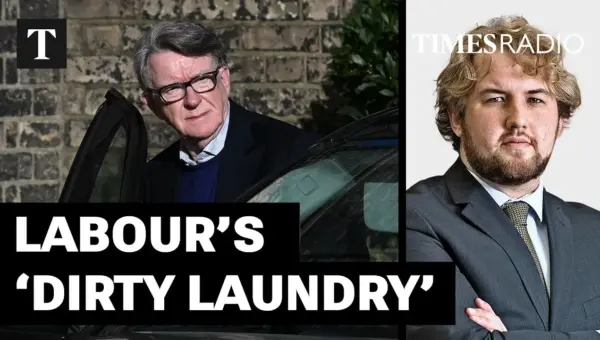
Mandelson Messages: Internal Labour Party Fallout Looms
The Cabinet Office is intensifying its investigation into Peter Mandelson's appointment as US ambassador, demanding more personal messages from government officials. While the public's view of Mandelson is set, the airing of internal Labour party discussions could cause significant damage. Meanwhile, Ed Miliband's strong influence on Labour's economic policy is shaping the party's future direction.

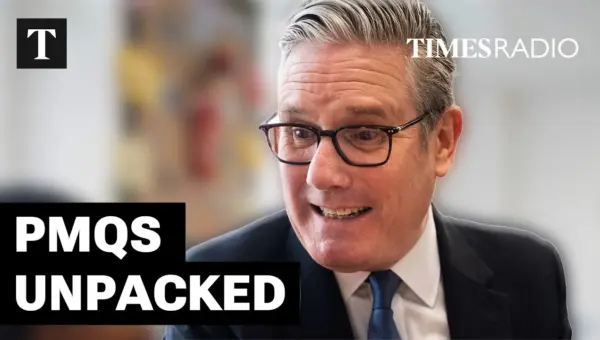
Starmer Challenges Sunak: Key Moments from Heated PMQs
Labour leader Keir Starmer intensified his economic and NHS criticisms against Prime Minister Rishi Sunak during a lively Prime Minister's Questions. Political commentators dissected the strategic exchanges, highlighting how both leaders aim to shape public perception ahead of the next general election.