US Mulls Iran Strikes: Risks, Capabilities, and Regional Impact
The U.S. is reportedly considering significant military strikes against Iran, targeting missile facilities and potentially leadership. While Iran's regime faces internal weaknesses and diminished proxy capabilities, the threat from short-range missiles remains a concern. The decision-making process involves detailed intelligence analysis within the White House Situation Room.

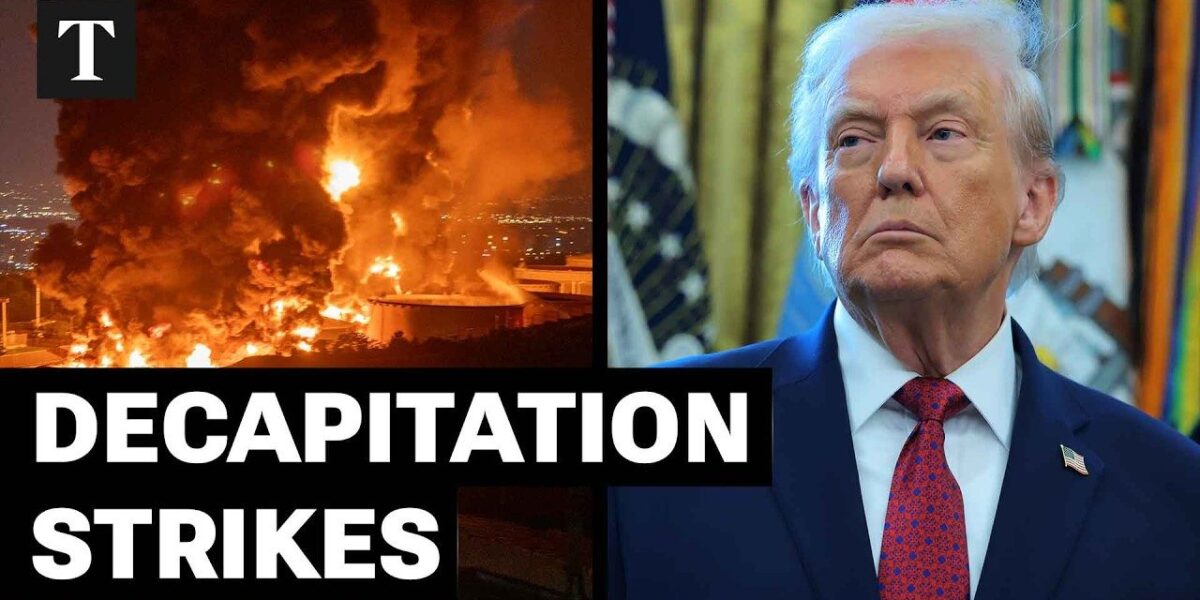
US Weighs Military Action Against Iran Amid Heightened Tensions
The prospect of U.S. military strikes against Iran is under serious consideration, with President Trump reportedly exploring comprehensive actions that could target missile facilities, nuclear rebuilding efforts, and even regime leadership. This potential escalation carries significant risks, particularly given Iran’s historical anti-American stance and its deeply ingrained ideology rooted in opposition to the West. Unlike previous military engagements, such as in Venezuela, securing cooperation from Iranian security services would be a formidable challenge.
Assessing Iran’s Current Military Posture
Despite the inherent dangers, a senior intelligence official suggests that Iran’s regime is currently weaker than at any point since its 1979 revolution. The transcript highlights several setbacks Iran has faced in recent years, including the loss of long-range ballistic missile systems and significant casualties among its senior leadership within the Islamic Revolutionary Guard Corps (IRGC) and its nuclear scientists. Furthermore, Iran’s proxy groups across the Middle East—in Lebanon, Syria, Palestine, Yemen, and Iraq—have reportedly seen their capabilities diminished due to a combination of Israeli strikes, U.S. pressure campaigns, and direct actions by the United States.
“It comes with a lot of risk. It’s going to be riskier than what they did in Venezuela because the Iranian regime has a history of anti-Americanism.”
Understanding Iran’s Missile Capabilities and Defenses
While intelligence assessments indicate that U.S. and Israeli forces have a clearer picture of Iran’s military assets, certain capabilities remain a concern. The primary worry for Israel revolves around Iran’s long-range ballistic missile systems, estimated to be between 1,700 and 2,000. Israel is described as being well-positioned to defend against these, having demonstrated effectiveness in intercepting missiles both before and after launch. The increased U.S. military presence in the Persian Gulf, including destroyers and aircraft carriers, along with substantial air power, further bolsters regional defenses.
However, the threat posed by Iran’s short-range ballistic missiles is more acute. With thousands of these missiles, Iran could potentially target U.S. bases in the region, which house tens of thousands of American personnel, and disrupt shipping in the vital Persian Gulf. While U.S. naval and air assets are substantial, the risk of such attacks remains a significant concern.
Justifications for Potential U.S. Action
Several factors appear to be driving the consideration of military action. A key concern is Iran’s development of missiles capable of reaching the U.S., as suggested by President Trump. Additionally, there is apprehension that Iran might use its long-range missiles to target Israel, potentially drawing the U.S. into a wider conflict. The possibility of Iran rebuilding its nuclear program also remains a significant threat.
The development of more advanced weapon systems, including faster missiles that can penetrate sophisticated defense systems, is another area of focus. Beyond strategic considerations, President Trump’s commitment to protesters facing government crackdowns in Iran, following a deadly crackdown that killed many, may also be a contributing factor to the administration’s responsiveness to the situation.
Regional Stability and the Role of the Situation Room
The risks to regional stability are assessed as less severe than in previous years. The concern that Iran’s proxy groups would launch widespread attacks on U.S. bases, embassies, or Israel has diminished, partly because Iran has struggled to replenish these groups at its previous rate, and partly due to the significant degradation of their capabilities.
The transcript also offers a glimpse into the functioning of the White House Situation Room, a critical hub for intelligence and crisis management. As a former head of the Situation Room under President Biden, the interviewee described a 24/7 operation involving a team of approximately 150 intelligence officers and military personnel responsible for providing real-time intelligence and breaking news to the President and national security advisors. In the event of a strike against Iran, the Situation Room would extend its coverage, mobilize additional personnel, and monitor all incoming intelligence feeds, foreign press, and regional media to provide comprehensive situational awareness to policymakers.
Expert Advice and Decision-Making
When asked about advising a strike, the former intelligence officer emphasized a non-partisan approach, focused on presenting all available options, risks, and intelligence without making a direct recommendation. This role, he explained, is to provide the President with the clearest possible picture to inform their ultimate decision.
Looking Ahead
As the situation evolves, the world will be watching closely to see if diplomatic channels can de-escalate tensions or if military action becomes the chosen path. The effectiveness of regional defenses, Iran’s response, and the broader geopolitical ramifications will be critical factors to monitor in the coming weeks and months.
Source: What Happens When A President Decides To Launch A Military Strike (YouTube)

Related Articles


Putin’s Internet Shutdown: Paranoia or Precaution?
Russia's recent internet restrictions fuel speculation about President Putin's paranoia, potentially driven by fears of a coup and the weaponization of digital information by adversaries. Actions like buffer zones and dismissals suggest a leader under pressure.


EU Warships Near Cyprus Test Defense Without US
European Union warships have deployed near Cyprus, marking a potential turning point for the bloc's collective defense capabilities without U.S. involvement. The move follows a drone attack on a British base and highlights Cyprus's strategic location. While seen as a low-risk show of solidarity, it raises questions about Europe's long-term defense independence.


Diesel Tops $5 Per Gallon Amid Iran War
Diesel prices have surpassed $5 per gallon in the U.S. due to the war in Iran disrupting global oil supplies. This surge impacts everything from food to manufacturing, raising inflation concerns and potentially slowing economic growth through 2026.