Ancient Terrors: Unpacking Greek Myths’ Darkest Secrets
Greek mythology is far darker than commonly perceived, featuring vengeful gods, horrific transformations, and eternal punishments. Tales like Medea's infanticide and the Maenads' frenzied rituals highlight the grim underbelly of these ancient stories.

Ancient Terrors: Unpacking Greek Myths’ Darkest Secrets
Prepare to have your mythological sensibilities thoroughly unsettled. While we often picture the gods of Olympus in their gleaming, golden glory, the ancient Greek myths are also rife with tales so disturbing, so psychologically scarring, they could easily inspire modern horror films. A recent deep dive into these foundational stories reveals that the darker side of classical mythology is not just present, but actively revels in themes of vengeful deities, horrific transformations, eternal punishments, and revenge plots that would make even the most jaded viewer squirm.
Beyond the Golden Age: The Grim Underbelly of Greek Mythology
These aren’t bedtime stories. The narratives emerging from the cradle of Western civilization often delve into the primal fears and anxieties of humanity, amplified by the immense power and often petty cruelty of the gods. From the chilling accounts of divine retribution to the gruesome fates of mortals who crossed the divine or fell victim to their wrath, the ancient Greeks were not shy about exploring the terrifying aspects of existence. These myths serve as a stark reminder that even in tales of epic heroes and divine intervention, there lurks a profound darkness.
Medea’s Vengeance: A Mother’s Monstrous Rage
Perhaps one of the most viscerally disturbing myths is that of Medea. A sorceress and princess of Colchis, Medea fell deeply in love with the hero Jason and aided him in his quest for the Golden Fleece, even resorting to fratricide to secure their escape. However, when Jason later abandoned her and their children for the Corinthian princess Glauce, Medea’s love curdled into an all-consuming, horrific rage. Her revenge was not swift or simple; it was a meticulously planned, soul-shattering act of infanticide. Driven to madness by Jason’s betrayal, Medea murdered her own children to inflict the deepest possible pain upon Jason, ensuring he would never know the joy of fatherhood again and would be forever haunted by his loss. This tale explores the devastating consequences of betrayal and the terrifying depths of a mother’s fury when pushed beyond all conceivable limits.
Dionysus and the Maenads: A Frenzied Descent into Bloodshed
The god of wine, revelry, and ecstasy, Dionysus, also has a terrifyingly wild side. His followers, the Maenads, women who abandoned their domestic lives to participate in his ecstatic rites, were known to fall into a frenzied, bloodthirsty state under his influence. In their divine madness, they would tear apart wild animals and even, in some accounts, human beings with their bare hands, drinking their blood and reveling in the carnage. These rituals, while celebrating liberation and ecstatic freedom, reveal a primal, savage energy that could erupt into unimaginable violence, showcasing a god whose power could lead to utter chaos and bloodshed.
Athena and Medusa: A Goddess’s Cruel Transformation
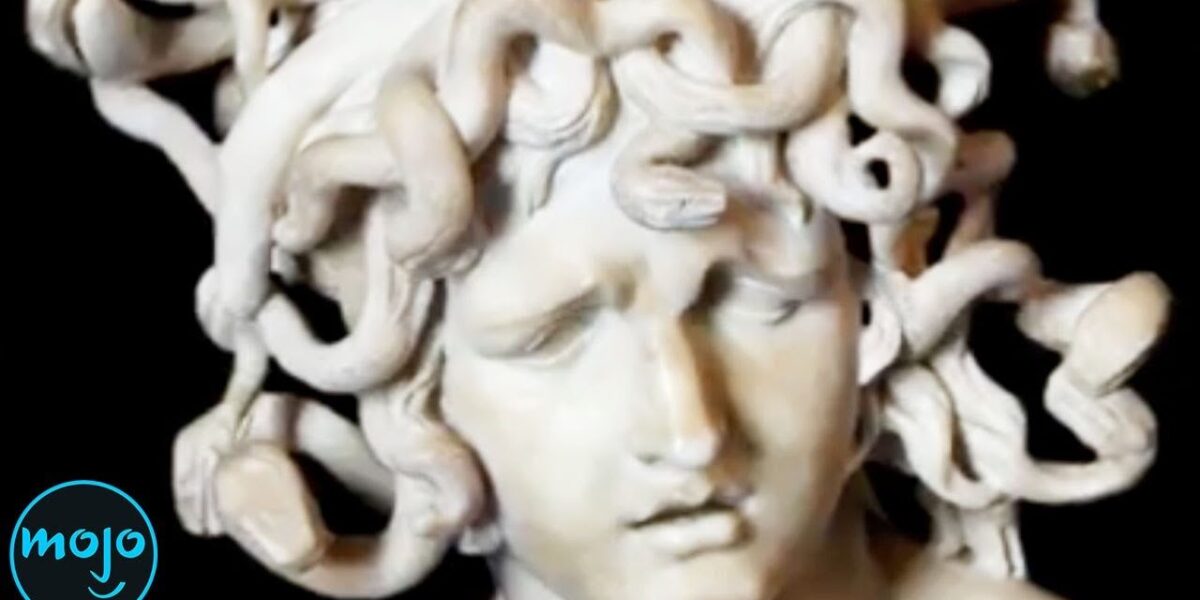
The story of Medusa is a tragic example of divine injustice and the horrific consequences of violating sacred spaces. Medusa, a beautiful priestess in the temple of Athena, was violated by Poseidon within the very sanctuary. Instead of punishing the sea god, Athena, in her wrath and jealousy, turned her wrath upon Medusa. She transformed the once-beautiful maiden into a monstrous Gorgon with venomous snakes for hair, a gaze that could turn men to stone, and a terrifying visage. This myth highlights not only the capricious and often cruel nature of the gods but also the brutal way in which victims could be punished for the transgressions of others, particularly when those transgressions occurred within a divine realm.
Eternal Punishments and Grim Fates
Beyond these specific narratives, Greek mythology is replete with examples of eternal punishments meted out by the gods. Sisyphus, condemned to eternally push a boulder up a hill only to have it roll back down. Tantalus, forever tormented by hunger and thirst, with food and water always just out of reach. The Danaids, tasked with eternally filling a leaky vat with water, a futile and unending labor. These stories serve as grim warnings about hubris, defiance, and the consequences of angering the divine, illustrating a universe where divine justice could be as creative as it was merciless.
The Enduring Appeal of the Dark Side
These disturbing tales, far from being mere historical curiosities, continue to resonate because they tap into fundamental aspects of the human condition: fear, betrayal, rage, loss, and the struggle against overwhelming forces. The complexity and often brutal morality of Greek mythology offer fertile ground for storytelling, inspiring countless works of art, literature, and now, it seems, a renewed appreciation for their creepiest narratives. As we continue to explore these ancient stories, their power to shock, disturb, and fascinate remains undiminished, proving that the darkest myths often cast the longest shadows.
Source: Top 10 Creepiest Greek Myths (YouTube)

Related Articles


Katy Perry Faces Police Probe Over Ruby Rose Allegations
Pop superstar Katy Perry is reportedly under police investigation in Australia following sexual assault allegations made by actress Ruby Rose. Rose claims the incident occurred at a Melbourne nightclub nearly two decades ago. Perry's team has issued a strong denial, calling the claims 'dangerous, reckless lies.'


Spider-Verse 3 Trailer Drops Explosive First Look!
Sony's CinemaCon reveal for "Spider-Man: Beyond the Spider-Verse" unveiled an explosive opening scene. The footage plunges Miles Morales into Earth 42, facing his villainous counterpart, the Prowler. The movie is set for a June 17, 2027 release.


Universal Drops Nolan’s ‘Odyssey,’ ‘Shrek 5’ Buzz at CinemaCon
Universal Pictures dominated CinemaCon with major reveals, including strong buzz for Christopher Nolan's 'The Odyssey' and updates on animated features. The studio also showcased its diverse upcoming slate, from Spielberg's 'Disclosure Day' to potential 'Shrek 5' news, while employing advanced anti-piracy tech.