Trump’s State of the Union: Ignoring Economy, Doubling Down on Divisive Tactics
Donald Trump's recent address, focusing on economic optimism while downplaying national concerns, has drawn criticism for its disconnect from public sentiment. Analysts suggest the strategy echoes past unsuccessful attempts and relies heavily on divisive immigration rhetoric, placing the Republican party in a difficult position ahead of upcoming elections.

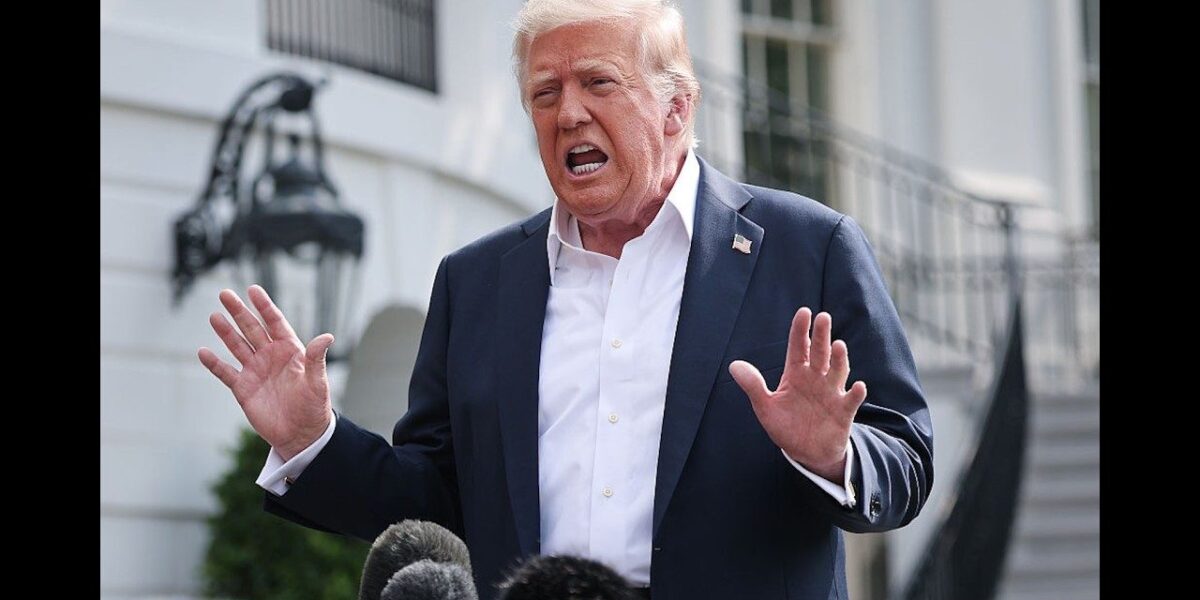
Trump’s State of the Union Address Skirts Economic Woes, Leans on Familiar Divisive Themes
In a recent analysis following a prominent political address, the recurring theme of former President Donald Trump’s apparent inability or unwillingness to acknowledge significant economic challenges facing the nation has been highlighted. This stance, critics argue, undermines the potential for effective solutions and alienates a populace grappling with inflation and rising costs. The address, characterized by a familiar optimistic yet detached tone, echoed strategies previously employed by President Joe Biden in 2024, a tactic that proved largely unsuccessful.
Economic Disconnect: A ‘Winning’ Narrative Falls Flat
During a discussion with John Favro, co-host of ‘Pod Save America,’ the observation was made that Trump’s economic narrative during his recent speech failed to resonate with the widespread public sentiment. “The numbers are very clear that huge majorities in this country are worried about inflation, worried about costs, pissed off about the economy, don’t think Trump’s doing a good job,” Favro stated, underscoring the disconnect between the delivered message and the lived experiences of many Americans.
The prevailing sentiment among analysts is that politicians who dismiss or ignore the tangible concerns of their constituents, particularly regarding economic hardship, risk losing credibility. The “we’re the best” and “I’m the white knight” rhetoric, while consistent with Trump’s political style, is seen as insufficient when faced with widespread financial anxiety. Favro noted, “He only has one speed, and so, and he thinks that it’s served him well in the past.”
Divisive Rhetoric and the Republican Party’s Dilemma
Beyond the economic messaging, the address heavily relied on divisive themes, particularly concerning immigration. This strategy, which has historically served Trump’s political base, is seen as a preview of the tactics to be employed in the upcoming electoral cycle. The comparison was drawn to previous campaigns where themes of “migrant caravans” and immigrants as a drain on resources were prominent.
This reliance on divisive rhetoric places Republican colleagues in a difficult position. They are faced with the choice of either aligning with Trump’s often out-of-touch economic narrative or distancing themselves, risking his ire and potential primary challenges. “They can either run away from him… or they can run toward him and hug him and risk looking as out of touch to their constituents as he did,” the analysis pointed out, suggesting this puts the party “even further between a rock and a hard place.”
The strategy of blaming immigrants for economic woes, while attempting to position it as a solution to public anger over affordability, is viewed as a form of “collective punishment.” The example of suspending aid and Medicaid to Minnesota due to alleged fraud was cited as an instance where the broader population might suffer consequences intended to target specific issues, potentially exacerbating rather than solving the problem.
Cognitive Dissonance and the Messaging Challenge
A significant point of discussion revolved around the perceived cognitive dissonance inherent in Trump’s messaging, particularly his focus on fraud while having issued numerous pardons to individuals convicted of fraudulent activities. “Is he really going to be the best messenger to deliver a message on why fraud should be the principal issue in this campaign when the guy is responsible for all of these fraudsters walking the streets?” was a key question raised.
The argument that taxpayer money is being wasted on immigrants committing fraud is seen as the core of the Republican strategy. However, critics contend that this narrative ignores the broader economic factors and government spending, creating a simplified and potentially misleading explanation for complex issues. Democrats, it was argued, have a more straightforward message: “Republicans control everything. The White House, Congress, life is unaffordable.”
The Epstein Files and Notable Omissions
Notably absent from Trump’s address were mentions of the Epstein files and even the term “ICE” (Immigration and Customs Enforcement). This omission is interpreted as a strategic move, acknowledging that these topics, despite their prominence in certain political discourse, carry significant political baggage and low approval ratings. The decision not to mention ICE, an agency with a 30% approval rating, suggests a pragmatic, poll-driven approach to messaging.
The Epstein files, while perhaps not a primary concern for all voters, are seen as a potential proof point in a larger narrative about corruption. The discussion touched upon how certain issues, even those not fitting neatly into traditional party lines, can resonate with specific segments of the electorate who are attuned to narratives of government malfeasance.
Looking Ahead: The Campaign Trail’s Focus
As the midterm elections approach, the analysis suggests that the campaign will likely continue to be dominated by familiar themes: economic anxiety, immigration, and divisive rhetoric. The effectiveness of these tactics in the current political climate remains a subject of debate, with critics arguing that voters are increasingly discerning and less swayed by simplistic narratives. The challenge for Democrats will be to effectively counter these themes by highlighting the administration’s actions and the potential consequences of Republican policies, while for Republicans, the challenge lies in connecting with voters’ economic concerns without alienating them with divisive or out-of-touch messaging. The next several months will reveal whether Trump’s strategy of doubling down on past successes will prove fruitful or if the electorate is seeking a different approach to governance.
Source: WHOA: Trump SCREWS himself in SHOCK update (YouTube)

Related Articles
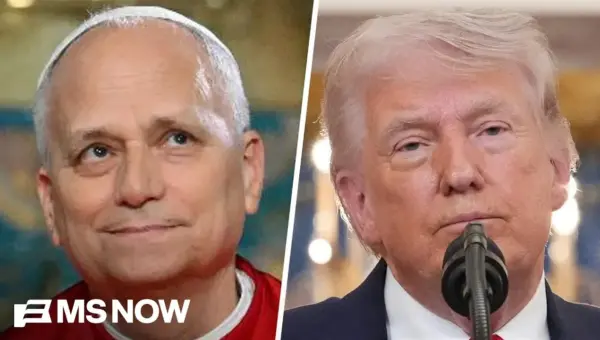
Trump’s Jesus Meme Sparks Outrage Among Religious Supporters
Donald Trump's sharing of a meme depicting him as Jesus Christ has ignited backlash from religious supporters, who also cite his feud with Pope Francis. This has led some to feel "duped," questioning his motives and fitness for leadership.

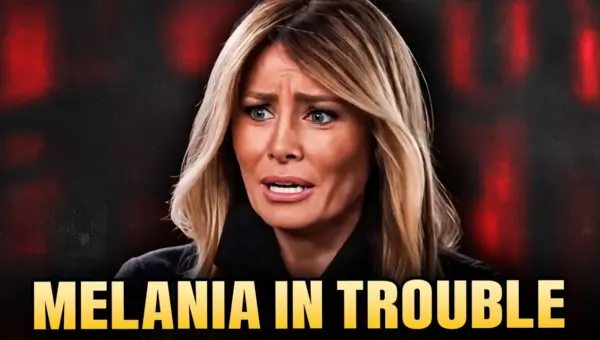
FBI Docs Contradict Melania’s Epstein Introduction Claims
Newly surfaced FBI documents challenge Melania Trump's recent claims about not being introduced to Donald Trump by Jeffrey Epstein. Witness testimony suggests Epstein facilitated the introduction, contradicting Melania's public statements and raising questions about her associations and those of figures like Paulo Zampoli.

GOP’s Dignity Act Sparks Immigration Divide
A new Republican proposal, the Dignity Act, offers legal status to undocumented immigrants, sparking a fierce debate. Supporters see it as a humanitarian step, while opponents label it amnesty. This discussion reveals deep divisions on immigration policy, economic impact, and the very definition of the American dream.