Geopolitical Tensions Mount: Ukraine’s Future, Iran’s Shadow, and Trump’s Return to the Global Stage
Global geopolitical tensions are escalating, marked by the protracted conflict in Ukraine, the looming threat of U.S. strikes against Iran, and former President Trump's unpredictable influence on international policy. Negotiations for peace in Ukraine remain stalled over territorial disputes, while questions arise about the efficacy of sanctions and the future of NATO's unity. Meanwhile, the Middle East braces for potential conflict, and even the topic of UFOs enters the political discourse, reflecting a complex interplay of diplomacy, military strategy, and domestic political pressures shaping the global landscape.

Geopolitical Tensions Mount: Ukraine’s Future, Iran’s Shadow, and Trump’s Return to the Global Stage
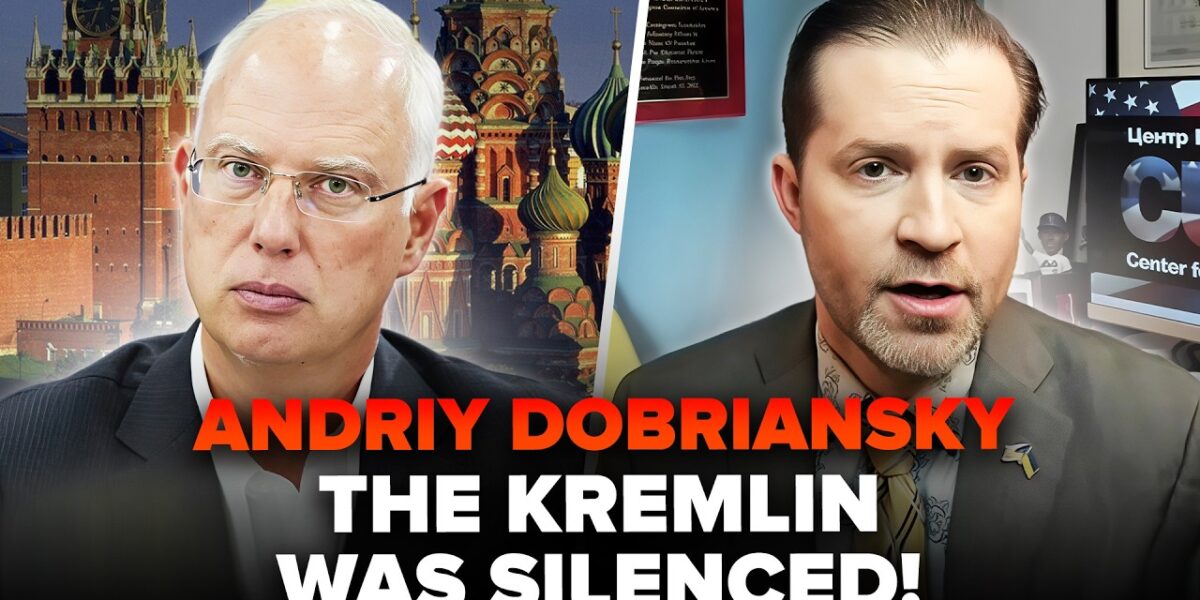
The global geopolitical landscape is currently a maelstrom of intersecting crises and potential shifts, with the ongoing conflict in Ukraine, escalating tensions with Iran, and the unpredictable influence of former U.S. President Donald Trump taking center stage. From the nuanced dance of peace negotiations to the specter of military strikes and the curious realm of declassified government documents, the world watches as major powers navigate a complex and often contradictory international order. Andre Dansky from the Center for U.S.-Ukrainian Relations recently offered critical insights into these pressing issues, highlighting the intricate web of diplomacy, military strategy, economic pressure, and domestic politics shaping global events.
The Elusive Peace: Military vs. Political Tracks in Ukraine Negotiations
Ukrainian President Volodymyr Zelenskyy’s recent assertion that negotiations on the military track are closer to conclusion than those on the political front underscores the deep-seated complexities of ending the conflict. This sentiment was echoed by U.S. officials, including White House Press Secretary Caroline Levit, who noted progress in the third round of Ukraine-Russia talks in Geneva. However, as Dansky elaborates, the distinction between these tracks is crucial and reveals the fundamental obstacles to a lasting peace.
“We’ve seen this throughout this entire war, and I’m not just talking about 2022 but even back to 2014, that seemingly the simplest lines of communication have always been military to military, including the transfer of prisoners of war from one side to the next,” Dansky explained. This indicates that while practical, tactical agreements like prisoner exchanges or localized ceasefires might be achievable, the core political issues remain intractable.
The primary unresolved issue, according to Dansky, is Russia’s unwavering demand to acquire territory by military force – a practice explicitly banned by international law. “Something that is banned by international law that no country is obligated to recognize,” he stressed. Russia, Dansky suggests, seeks the United States’ blessing for this territorial acquisition, hoping for its recognition by other nations. However, U.S. law specifically prohibits recognizing territory occupied by Russia in Ukraine and, moreover, obligates the United States to assist Ukraine in retaking its land. This legal and moral imperative for the U.S. creates a significant diplomatic hurdle.
For Ukraine, the stakes are existential. Beyond territorial integrity, Kyiv seeks concrete security guarantees that transcend mere promises. Dansky emphasized that Ukraine desires assurances “that aren’t just going to be something that the United States promises in the form of Donald Trump, but something that is ratified by its United States Senate.” This demand stems from a painful history of unfulfilled assurances, most notably the 1994 Budapest Memorandum, where Ukraine gave up its nuclear arsenal in exchange for security guarantees from the U.S., UK, and Russia, which were blatantly violated by Russia’s subsequent aggressions. A Senate-ratified treaty would carry the weight of U.S. law, offering a far more robust and enduring commitment than executive agreements or political pledges. Furthermore, a ceasefire is paramount, not just to halt hostilities, but to allow international monitors to verify the front lines and oversee any potential referendums, ensuring legitimacy and preventing further manipulation.
A Protracted Conflict: War Duration and the Perils of Frozen Status
The grim reality of a prolonged conflict looms large, with senior European officials predicting hostilities could continue for another one to three years. This projection aligns with initial assessments by U.S. military commanders who, at the war’s outset, estimated a five-year duration, a timeline Ukraine is now approaching. Some Ukrainian commanders even foresaw the war extending until 2028 or 2029.
Dansky highlighted the United States’ desire to “truncate” this conflict, aiming for a sooner conclusion. However, he cautioned against repeating past mistakes, specifically referencing the 2015 situation where a “frozen conflict” was declared without truly resolving the underlying issues, ultimately paving the way for the full-scale invasion in 2022. Ukraine, having learned from this experience, is wisely seeking a comprehensive and internationally endorsed peace deal.
President Zelenskyy’s organization of peace summits since 2022, bringing together nations from around the world, underscores Ukraine’s commitment to a global solution. As Dansky articulated, the message from Kyiv is clear: “If we decide that international borders are viable, all of your countries are at risk. So, we need to make sure that this instance right here is never repeated ever again. And so we need to have a peace deal that all the entire international community is happy with.” This global appeal recognizes that the principle of territorial integrity, if undermined in Ukraine, threatens the stability of the international system itself. Factors such as sustained military aid from allies, the effectiveness of sanctions, the evolving battlefield dynamics, and potential shifts in domestic politics within Russia, Ukraine, and their supporting nations will all play critical roles in determining the actual duration and eventual outcome of the war.
The Sanctions Gambit: Russia’s Trillion-Dollar Fantasy and Eroding Enforcement
Amidst the ongoing conflict, reports emerged of Putin’s allies attempting to entice former President Donald Trump into lifting sanctions on Russia by promising “trillions of dollars” in projects. A Kremlin special envoy, Dimitri, reportedly claimed that lifting sanctions would serve U.S. interests and that the restrictions were detrimental to American businesses.
Dansky unequivocally dismissed these claims as “an outright lie and a fantasy.” He pointed out the absurdity of the $12 trillion figure allegedly offered to Trump, noting that “the entire Russian GDP for 10 years will never equal $12 trillion.” Russia’s economy, already decimated by the war, has shifted its manufacturing almost entirely to military production, offering little of interest to American businesses. Furthermore, Russia’s oil production capabilities have diminished, and the U.S. has no interest in Russian oil flooding the market, as it would devalue American oil.
Dansky suggested this inflated offer was a deliberate tactic: “It is a fantastic statement given to President Trump, so that any normal number coming from the European Union or Ukraine saying that if you stay with your allies, this is the kind of benefit to America’s economy you can get, that will look smaller by comparison.”
However, Dansky also raised concerns about the weakening enforcement of existing sanctions. He cited instances like the International Olympic Committee considering allowing Belarusian and Russian athletes to participate in the Paralympics, and American businessmen, including a close friend of Donald Trump Jr., signing lucrative deals with Russian energy producers. These developments signal a potential softening of the international community’s resolve, raising questions about whether European allies will maintain their stringent sanctions if the U.S. under a future Trump administration lessens its own.
Congressional Power Play: Sanctions Policy Across US Administrations
The strategic objectives and implementation of sanctions policy have varied significantly across recent U.S. administrations. Under Presidents Joe Biden and Barack Obama, Washington consistently imposed financial restrictions on Russia. In contrast, the first Trump administration adopted a more cautious approach, and the current White House, while claiming additional sanctions are prepared, has not activated them.
Dansky identified a critical differentiator between the current political climate and previous administrations, including the first Trump term: the absence of an independent and separate Congress. “In this administration, Donald Trump has demonstrated his desire and definitely the result of having an entire vertical control over the United States Congress,” Dansky stated. This means that “no laws are going to be introduced or passed that Donald Trump does not want to have introduced or passed.”
This dynamic stands in stark contrast to the Biden, Obama, and even the first Trump administrations, where senators and congressmen often challenged the White House on policies perceived as too favorable to Russia. Dansky recalled instances like Senator John McCain pressuring the Obama administration to send more supplies to Ukraine, and robust bipartisan support for Ukraine through resolutions and appropriations during the first Trump and Biden administrations. “This has all stopped as of the Trump administration,” Dansky observed, attributing it not just to Trump’s direct influence, but to Congress’s decision to “cede its entire control,” refusing to vote on critical legislation like the Lindsey Graham sanctions bill or recognizing Russia as a state sponsor of terror.
Dansky suggested that while this vertical control has been evident, there are signs that Congress might yet begin to act independently, referencing past instances where it overturned Trump’s decisions. The implications of a Congress that prioritizes loyalty to a single individual over its constitutional role in foreign policy are profound, potentially undermining allied trust and the consistency of U.S. commitments on the global stage.
Ukraine’s Path to Integration: EU, NATO, and Regional Security Dynamics
Ukraine’s aspirations for integration into Western structures, particularly the European Union and NATO, remain central to its long-term security and prosperity. President Zelenskyy has asserted that Ukraine has done everything possible to join NATO, with the final decision now resting with its partners, emphasizing that any decisions regarding Ukraine’s membership cannot be made without Kyiv’s participation.
Dansky shared insights from European parliamentarians who firmly believe Ukraine needs an accelerated path to EU accession, ideally by the end of 2027, before the conversation for NATO membership intensifies. He underscored Ukraine’s long-standing partnership with NATO, noting that “44,000 Ukrainian troops served alongside NATO deployments throughout the world,” from the Balkans to Iraq and Afghanistan. Even after its territory was first invaded in 2014-2015, Ukraine continued to support anti-terror operations in the Mediterranean.
Dansky now argues that Ukraine is not just a viable partner, but “vital for NATO survival.” He highlighted recent war games where Ukraine’s advanced drone forces demonstrated their capability to “decimate NATO’s front lines,” revealing that NATO may be “lacking the 21st-century military innovations and understanding of war that Ukraine can really help it out.” This suggests Ukraine could bring invaluable combat experience and technological advancements to the alliance.
While EU accession by 2027 appears viable, NATO accession, which Dansky believes could happen before 2030, hinges on a unanimous decision by all member states. This process is complicated by the political futures of various European nations, with upcoming elections in Hungary (which has long vetoed Ukraine’s aspirations), Germany, France, and the UK. The consensus requirement means that the political stance of each member country is critical to Ukraine’s NATO prospects.
NATO’s Internal Strains: US Reluctance and the Future of Allied Command
Recent reports from Politico, citing foreign diplomats, indicate that the U.S. has opposed the participation of Ukraine and four Indo-Pacific NATO partners (Australia, New Zealand, Japan, and South Korea) in official meetings at this year’s alliance summit in Ankara. This reluctance, according to Dansky, appears to be a manifestation of the Trump administration’s influence, specifically through figures like Steve Wickoff and Jared Kushner, who may prefer to avoid angering Russia and listen to their Russian counterparts.
Dansky suggested that this U.S. stance, reminiscent of past instances where the Biden administration pushed back on NATO partners regarding Ukraine, could provoke a strong reaction. He predicted that countries like Poland and the Baltic states, staunch allies of Ukraine, would likely resist this blocking and invite Ukraine to side meetings if necessary. This highlights potential internal divisions within NATO, particularly concerning the alliance’s relationship with Russia and the extent of its commitment to Ukraine.
Further signaling a potential shift in U.S. engagement with Europe, the largest NATO exercises of the year, “Steadfast Defender 26,” conducted on the Baltic Sea coast, notably did not include U.S. participation. Dansky interpreted this as a clear signal of the United States pulling back from the European area, seeking a smaller role within the continent. He noted recent announcements of other countries taking charge of several NATO command posts across Europe and hinted at discussions about another country potentially assuming control of the NATO Supreme Allied Commander position – a role historically held by an American, and a move that would represent an unprecedented shift in the alliance’s leadership structure.
This evolving U.S. approach suggests a preference for supplying material aid, such as Tomahawk missiles and other advanced systems, as a security guarantee to Ukraine, while expecting European allies to handle on-the-ground security verification and potentially even lead the overall security architecture, with the U.S. acting as an “adviser from afar.” This shift could have profound implications for NATO’s collective defense capabilities and the distribution of responsibilities among its members.
Middle East on Edge: US Posturing Towards Iran and Global Oil Markets
The Middle East remains a volatile region, with recent reports indicating that the American military has declared readiness for potential strikes against Iran in the coming days. CBS News specifically cited a meeting where President Donald Trump discussed a potential military operation with national security officials, while the White House assesses the risks of escalation.
Dansky confirmed that the U.S. has consulted with a majority of its allies, including Qatar, Saudi Arabia, the UK, and Israel, who reportedly understand the U.S.’s conviction to proceed. He suggested that any such operation would likely last “a few weeks,” rather than being a single-day event. A crucial aspect of these discussions with allies, particularly Qatar, has been ensuring the U.S. has adequate defensive forces to counter Iran’s inevitable retaliation, which could manifest asymmetrically or through regional proxies. Dansky noted that the U.S. has significantly bolstered its naval presence off the coast of Iran, ensuring not only offensive capabilities but also robust defensive measures to protect its allies’ air bases in the region.
Oil’s Volatile Future: War Fears, Shadow Fleets, and Market Dynamics
The threat of war between the United States and Iran has predictably driven oil prices to record highs, reflecting the market’s sensitivity to geopolitical instability in a critical energy-producing region. Dansky elaborated on the complex interplay of factors influencing global oil markets.
He noted the international community’s ongoing efforts to clamp down on the “international shadow fleet”—a network primarily managed by Russia, facilitating black market oil sales, including Iranian crude, to countries like China. The shadow fleet’s operations have already been somewhat curtailed by the re-entry of Venezuelan oil into official markets. Paradoxically, while rising oil prices create political headaches for any U.S. president, Dansky pointed out that the American oil industry often welcomes higher prices as an incentive to invest in new oil wells and boost domestic production, aligning with a broader goal of American energy independence and continued economic boom.
The Unexplained Frontier: Trump, UFOs, and the Digital Public Square
In a more unusual development, former President Donald Trump reportedly instructed Secretary of Defense Peter to declassify government documents related to extraterrestrial life and UFOs. This move followed Trump’s accusation that former President Barack Obama had leaked classified information concerning aliens.
Dansky viewed this development with a degree of skepticism, describing it as a “rather silly instance of a White House administration that’s very focused on podcasts and online culture.” He clarified that Obama, in a recent podcast, had simply expressed a belief in the possibility of life on other planets due to the vastness of the universe, without claiming they were present on Earth or disclosing classified information. Trump’s subsequent comments on a plane and a Truth Social post, promising declassification, appear to be a direct response to online pressure from his supporters who felt he hadn’t been direct enough on the issue.
While the prospect of declassifying such documents could have national security implications related to airspace integrity or intelligence gathering, Dansky remained doubtful about the actual follow-through, noting that Trump frequently makes pronouncements on Truth Social that do not materialize into concrete action. This episode highlights the increasing influence of online discourse and alternative media in shaping political narratives and even policy announcements in the modern era.
Conclusion
From the battlefields of Ukraine to the volatile waters of the Middle East and the intriguing mysteries of the cosmos, the world is currently navigating a period of profound uncertainty and rapid change. The insights provided by Andre Dansky underscore the interconnectedness of these global challenges, where diplomatic impasses, economic pressures, military posturing, and domestic political shifts converge to shape the future. As nations grapple with issues of sovereignty, security, and the very structure of the international order, the coming months promise to be critical in determining the trajectory of these complex geopolitical currents.
Source: ⚡️Moscow was thrown into an uproar! Urgent news about end of war. Putin has proposed a deal to Trump (YouTube)

Related Articles
Trump’s Middle East Gambit: Escalation or Empty Threat?
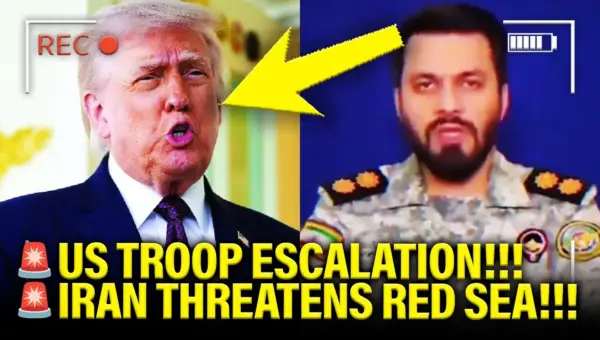
The US is sending troops and imposing a blockade in the Middle East, signaling escalation. Yet, conflicting messages from Donald Trump suggest peace is near. This analysis explores the contradictory actions, Iran's defiant response, and the potential global economic and political fallout.

Oil Prices Surge to $91 Amid Geopolitical Tensions
Oil prices have surged to $91 a barrel, driven by disruptions in the Strait of Hormuz. This is leading to higher gas prices across the U.S., with California facing particularly steep costs. The situation is fueling debate on energy policy, exports, and the transition to renewable fuels.

Trump’s Allies Rebel: Conservatives Slam President’s Policies
Prominent conservative figures and lawmakers are openly criticizing President Trump's policies in 2026, signaling a growing divide within the movement. From Candace Owens questioning the Iran conflict to Senator Rand Paul challenging trade policy, a wave of dissent is challenging the president's agenda.