Iran Nuclear Talks Stall Amid Rising Tensions, Strike Threat
Amidst escalating tensions, US-Iran nuclear talks have reached an impasse, raising concerns of potential military strikes. Analysts suggest a strategic deadlock, with Iran's domestic unrest adding complexity. The possibility of a wider regional conflict involving proxy groups remains a significant concern.

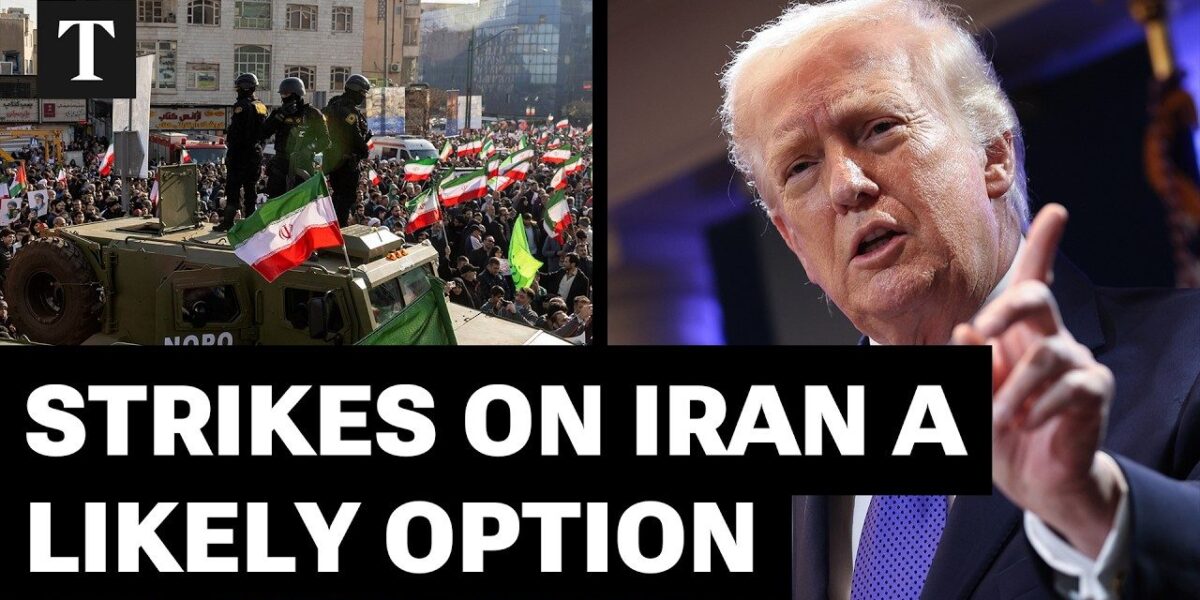
US-Iran Nuclear Negotiations Reach Impasse
Geneva is set to host the next round of crucial talks between the United States and Iran regarding the latter’s nuclear program. However, analysts suggest a significant impasse has been reached, with the question now being ‘who will blink first?’ The ongoing civil unrest within Iran, now in its fifth day, with student protests spreading across campuses, adds another layer of complexity to the already fraught diplomatic landscape. These negotiations, potentially the first of several, come at a critical juncture as the international community, particularly the United States under President Donald Trump, scrutinizes Iran’s commitment to nuclear non-proliferation.
Doubts Over Iranian Concessions
William F. Wesler, Senior Director of Middle East Programs at the Atlantic Council, expressed skepticism about Iran’s willingness to offer concessions that would meet the established thresholds of the United States, a stance consistent across multiple administrations. While acknowledging the possibility of President Trump accepting a less stringent deal, Wesler hopes this is not the case. A subtle shift in language from the White House, moving from a demand for ‘zero enrichment’ to a call for a ‘commitment to not have a nuclear weapon,’ has been noted. However, this commitment, Iran has stated numerous times in the past, lacks credibility on the global stage.
“The problem is that no one in the rest of the world believes them.”
The Need for Verifiable Commitments
The core issue, according to Wesler, lies in making Iran’s nuclear commitments genuine and verifiable. While a treaty could be a potential avenue, the international community points to examples like the United Arab Emirates, which operates a nuclear power program without domestic uranium enrichment. Instead, enriched uranium is purchased through accepted international channels. This approach inherently limits the potential misuse of nuclear materials. Iran’s insistence on domestic enrichment, conversely, raises significant questions about its ultimate intentions, fueling international distrust.
Three Potential Outcomes for US-Iran Relations
Amidst the escalating tensions and the significant military buildup around Iran, three primary outcomes are being considered:
- Regime Change: This scenario posits that a change in leadership within Iran could be the price of avoiding direct military conflict.
- Stalemate and Future Talks: A less confrontational approach could see President Trump disengage from the current negotiations, declaring the issue a stalemate and potentially revisiting talks at a later date.
- Military Strikes: The third, and potentially most concerning, option involves the United States launching military strikes against Iran to demonstrate resolve and deter further perceived provocations. This option remains on the table, underscored by President Trump’s repeated statements.
Assessing these possibilities, Wesler leans towards the third option as the most likely, albeit with significant caveats. The current situation is framed as a direct consequence of President Trump’s actions following the widespread protests within Iran. When the Iranian people rose up in unprecedented numbers, the regime responded with brutal force, reportedly resulting in the deaths of thousands, potentially tens of thousands, at a rate exceeding conflicts in Gaza, Syria, Yemen, Sudan, and even Rwanda. Wesler draws parallels between President Trump’s initial call for the Iranian people to revolt and subsequent inaction, and historical instances of US foreign policy missteps, such as the response to the Hungarian Uprising in 1956 and the Shia uprising against Saddam Hussein in 1991.
Strategic Considerations and Escalation Ladder
The perceived inaction during the Iranian protests is attributed, in part, to a lack of sufficient US military assets in the region at the time. The subsequent shift in focus to the nuclear file, a domain where Iran feels more comfortable, is seen as a strategic maneuver. However, if progress on the nuclear front falters, the underlying issues, particularly the protection of the Iranian people against an oppressive regime, could resurface.
President Trump’s recent State of the Union address included a new charge: that Iran is developing missiles capable of reaching the United States. This raises the stakes considerably and prompts consideration of Iran’s potential response capabilities in the event of a US strike. Wesler outlines a strategic framework President Trump might be considering, encompassing three packages of options:
- Enforcing a Red Line: This would likely involve targeting internal security elements and headquarters responsible for the crackdown on protestors. The potential benefit, from Trump’s perspective, is enforcing his stated red line. A clearly communicated strategy could lead to a performative, symbolic Iranian response, similar to past incidents, thereby de-escalating the immediate threat.
- Degrading Iranian Capabilities: If initial actions fail to deter Iran or if miscalculations occur, the US might escalate to degrading Iran’s military and strategic capabilities. This path carries the risk of a more serious Iranian reaction.
- Removing the Regime: This represents the most drastic option, the ultimate goal of which would be to overthrow the current Iranian government.
Broader Conflict Potential
The possibility of a wider conflict involving Iranian proxy groups, such as the Houthis in Yemen, Shia militias in Iraq, and Hezbollah in Lebanon, is a significant concern. If the conflict escalates, Iran could retaliate by targeting energy assets, economic infrastructure across the Gulf, attacking Israel, or unleashing terrorist activities in Europe and the United States. The complexity of predicting the precise tactical and strategic maneuvers of both sides makes this a highly volatile situation.
Looking Ahead
As diplomatic channels remain strained and the threat of military action looms, the coming days and weeks will be critical in determining the trajectory of US-Iran relations. The international community will be closely watching whether a diplomatic breakthrough can be achieved or if the escalating tensions will lead to a direct military confrontation, with potentially devastating regional and global consequences.
Source: Strikes On Iran Are A Likely Outcome (YouTube)

Related Articles


Severe Storms Batter US; Peace Talks with Iran Loom
Millions of Americans are bracing for more severe weather, including tornadoes and record heat, as storms continue to sweep across the nation. Meanwhile, diplomatic efforts are underway, with the US expected to renew peace talks with Iran. Former Congressman Eric Swalwell is also facing a criminal investigation following new allegations.
Iran Blockade Tests US Resolve Amid Nuclear Fears
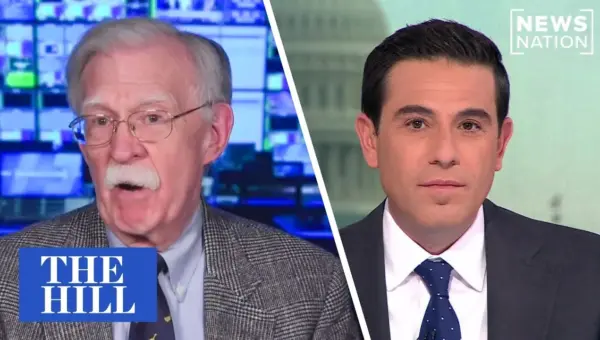
John Bolton criticizes the U.S. strategy towards Iran, calling potential talks a 'waste of time' and the blockade a move to 'have the best of both worlds.' He argues that only a regime change in Iran can truly end its nuclear ambitions and regional aggression.


Trump’s Iran Deal Talk: A Mirror of His Own Desires?
Donald Trump's repeated claims that Iran "wants a deal very badly" might be more about his own desire for an agreement than Iran's. This analysis explores his rhetoric and its potential implications for foreign policy.