Meta’s Stablecoin Push Signals New Era for Digital Payments
Meta's potential re-entry into the stablecoin market, leveraging lessons from its Libra project, signals a maturing landscape for digital payments. Experts discuss the integration challenges, regulatory hurdles, and the transformative potential for commerce and finance.

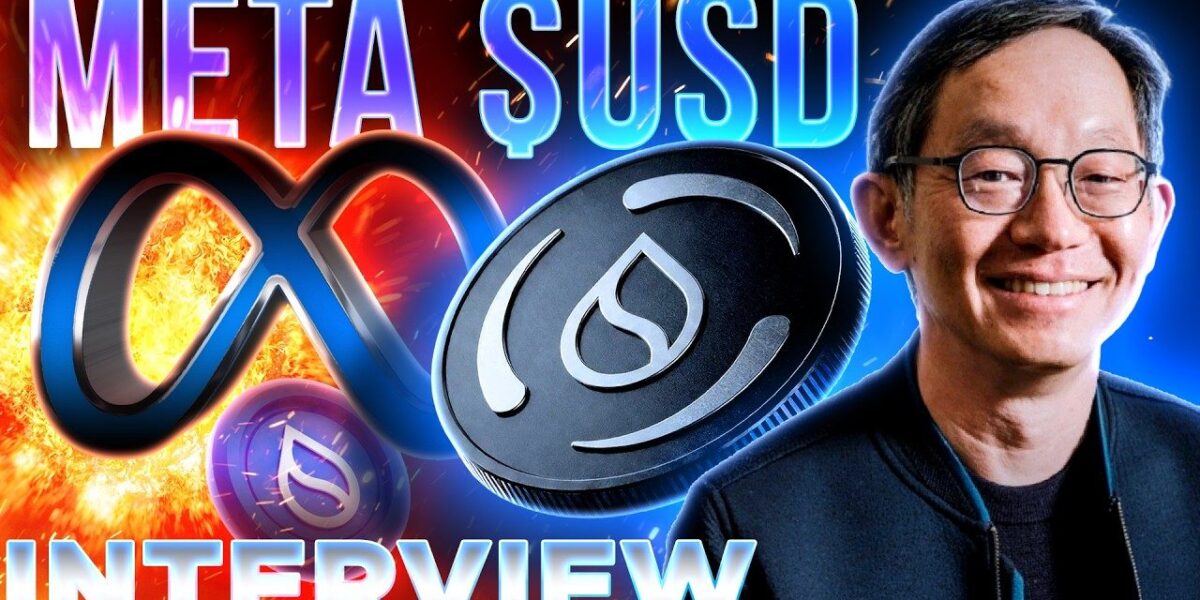
Meta’s Stablecoin Ambitions Reignite Digital Currency Discussion
The cryptocurrency market is abuzz with the news of Meta (formerly Facebook) reportedly exploring a new stablecoin initiative. This move brings back memories of its previous ambitious, yet ultimately shelved, project, Libra. However, the landscape has evolved significantly, and this time, Meta’s approach might be more integrated and strategic, leveraging its vast user base across platforms like Facebook, Instagram, and WhatsApp.
Lessons from Libra and the Inevitability of Stablecoins
Evan Cheng, from Sui Network, who was previously involved in Meta’s stablecoin strategy, shared his perspective on the developments. “It’s not deja vu, right? You see it coming. It’s inevitable that it’s being hinted,” Cheng stated. He emphasized that it’s not just Meta; major e-commerce players and financial technology firms are all exploring stablecoin integration. The technology has matured, and the focus is shifting from the novelty of blockchain to its practical application in payments and financial services.
The financial technology sector is already witnessing significant shifts. Reports of Stripe considering an acquisition of PayPal, which saw a nearly 7% stock pop on the news, highlight a market ripe for consolidation and innovation. Cheng noted that while PayPal remains popular, it has faced challenges in market attention, suggesting more such market realignments are likely.
Stripe’s Tempo Blockchain and Meta’s Potential Challenges
Meta’s stablecoin efforts are reportedly leaning on Stripe’s Layer-1 blockchain, Tempo. This network boasts impressive capabilities, promising over 100,000 transactions per second with sub-second finality. However, Cheng pointed out that the core challenges for Meta won’t be technological limitations but rather the complexities of regulatory compliance and ensuring valuable money movement. “The complexity of payment is not where it’s complicated. It’s at the edge, right? How do we deal with compliance? How do we deal with regulation?” he explained.
Privacy and regulatory adherence are paramount. The question of how to maintain user privacy while remaining compliant with evolving regulations is a key hurdle. Cheng highlighted that while blockchain technology has advanced significantly, the “next sort of building blocks” for privacy-preserving, yet compliant, systems are what truly matter.
The Regulatory Landscape and Meta’s Financial Muscle
The timing of Meta’s stablecoin exploration coincides with regulatory developments in Washington D.C., particularly the Clarity Act, which aims to provide a clearer framework for stablecoins. Meta’s substantial financial resources, with approximately $80 billion in cash, equivalents, and marketable securities, position it to make a significant impact. The potential integration of a stablecoin across Meta’s massive user base—spanning Facebook, Instagram with its commerce activities, and WhatsApp—could represent one of the largest real-world use cases for stablecoins to date.
Cheng believes this could serve as a major validation point for crypto technology, potentially encouraging other players to become more comfortable with adoption. The scale of Meta’s reach, particularly with WhatsApp’s global popularity for international communication, offers unparalleled distribution potential.
Tokenized Advertising and the Future of Digital Commerce
Beyond payments, the discussion touched upon tokenized advertising. Meta has previously faced issues with transparency and potential overcharging in its ad network. Utilizing blockchain technology, as seen in projects like Alchemi, could introduce greater fairness and verifiability. “With technology, they can do sort of blind betting, so you can ensure absolute fairness and the record can be validated because it’s on the blockchain,” Cheng noted.
This shift towards tokenized advertising could also challenge the dominance of platforms like Apple, which currently charge significant fees. While Apple’s closed ecosystem presents a formidable barrier, increased adoption of efficient crypto rails could eventually lead to lower transaction costs, potentially impacting established gatekeepers.
The Role of AI and Agentic Payments
The conversation also delved into the burgeoning field of Artificial Intelligence and its intersection with finance. Stripe CEO Patrick Collison discussed the concept of “agentic” AI, where AI agents could autonomously make purchases. He highlighted the need for robust infrastructure, including blockchains, to support this future. Stripe’s focus is on building the foundational infrastructure for commerce, aiming for low-latency, high-throughput payments.
Sui Network’s strategy, as explained by Cheng, involves building the core infrastructure first and then layering applications on top. Unlike Stripe, which has existing merchant relationships, Sui aims to develop its ecosystem organically. Cheng expressed confidence in Sui’s ability to handle high transaction volumes, citing ongoing infrastructure enhancements, including database updates, to manage potential congestion.
The Rise of Zero-Fee Transactions and Yield Generation
A significant development discussed was the potential for zero-fee transactions, particularly in the context of AI-driven payments. Cheng explained that such a model could be feasible if the underlying assets are put to work to generate yield. “The asset was being put to work to generate yields and the yield covers the fee,” he said. This concept, where tokenized assets can actively generate returns, could revolutionize payment systems, making them more efficient and powerful.
The launch of Sui’s EU dollar (USDs) stablecoin was also highlighted. Cheng emphasized the benefit of yield generation directly within the stablecoin, differentiating it from traditional offerings like USDC. This allows users to earn returns passively, a concept that could drive significant adoption, especially as AI agents seek optimal yield for managed assets.
Real-World Assets (RWAs) and the Future of Banking
The tokenization of Real-World Assets (RWAs) was identified as a major growth area. Cheng stressed the importance of high-quality, actively utilized tokenized assets. “If there’s no buy-side, these assets are not being put to work generating or part of the economic activities on chain, then they’re pretty pointless,” he noted. Sui Network is focusing on identifying partners with high-quality assets that can be immediately put to work on-chain, offering a T+0 version of traditional assets.
The discussion also touched upon the potential for agentic banking, with Sui Network showcasing a demo of an “agentic bank account” on its platform. This suggests a future where AI agents can autonomously manage financial assets, conduct transactions, and optimize yields, potentially transforming traditional banking and payment models. However, the need for robust security and separation between agent actions and owner assets remains a critical consideration.
Market Speculations and Predictions
The interview concluded with a rapid-fire round of predictions:
- Meta launching its own L2 on Ethereum instead of using Stripe’s chain: Cheng predicted “absolutely no way,” citing the team’s prior work and the current blockchain landscape.
- Meta joining the stablecoin yield competition if clarity doesn’t pass: Cheng believes Meta will likely not get involved in directly competing on yield.
- Elon Musk racing to launch a stablecoin after Meta: Cheng suggested Musk might integrate stablecoins into X (formerly Twitter) as a super app rather than launching his own.
- Meta eventually disallowing USDC and USDT in favor of MetaUSD: Cheng anticipates Meta might streamline choices to reduce friction, but the orchestration layer will ultimately allow users to pick preferred stablecoins.
- Meta’s AI agents and stablecoins ushering in the end of Visa and Mastercard: While acknowledging potential disruption, Cheng doubted the imminent demise of these giants, suggesting they might adapt or integrate new technologies.
- Meta entering prediction markets: Cheng believes prediction markets will evolve significantly and Meta might not engage with current iterations.
- Global regulation forcing Meta into privacy-enabled chains: Cheng dismissed the term “privacy-enabled chain,” stating privacy is a feature that can be added to blockchains, not a defining characteristic of a closed network.
- Web3 social app taking off in 3 years due to backlash against Meta/TikTok: Cheng believes existing social networks will adopt Web3 technologies rather than a standalone Web3 social app gaining dominance.
The conversation underscored the rapid evolution of digital finance, with stablecoins, AI, and tokenization poised to reshape how we transact and manage assets. Meta’s renewed focus on stablecoins, coupled with advancements on platforms like Sui Network, signals a significant push towards mainstream crypto adoption.
Source: Meta Launching Stablecoin!🚨Sui Inevitable🔥Evan Cheng INTERVIEW (YouTube)

Related Articles

Crypto Market Roars Back Amid Geopolitical Calm
Cryptocurrency markets are experiencing a surge in optimism, driven by easing geopolitical tensions and positive economic signals. Bitcoin has rallied, and traditional markets are also showing strength, indicating a broad shift in investor sentiment. Regulatory clarity and a generational wealth transfer are further supporting the positive outlook for digital assets.

Crypto Giant Denies Trump Ties, Blasts Biden’s “War on Crypto”
Crypto leader CZ strongly denied any business ties with former President Trump, calling such claims "baloney." He also criticized the Biden administration's "stiff regulatory agenda" against digital assets. CZ discussed writing his memoir from prison and his vision for Bitcoin's future.

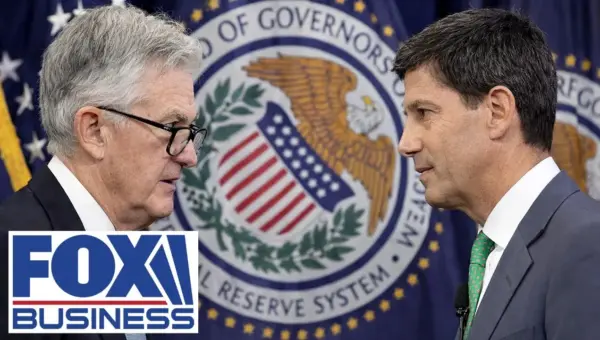
Warsh Clears Hurdle, Fed Confirmation Faces Hearing Chaos
Kevin Warsh's nomination to the Federal Reserve faces a potential boost as he clears a financial hurdle, but ongoing investigations into Fed Chair Jerome Powell cast a shadow over the confirmation process. Discussions also cover cryptocurrency regulation and the critical need for Homeland Security funding.