Unusual Eating Habits & Health Risks Explored
Exploring unusual behaviors from "My Strange Addiction," this article examines the health risks and scientific validity behind practices like snorting food, perineum sunning, eating toenails, extended breastfeeding, semen facials, and vabbing. Medical experts weigh in on potential dangers and offer evidence-based advice.

Unusual Eating Habits & Health Risks Explored
The television show “My Strange Addiction” often highlights behaviors that deviate significantly from the norm, prompting viewers to question the underlying reasons and potential health consequences. While these displays can sometimes elicit amusement or disbelief, a closer look, informed by medical perspectives, reveals important insights into human behavior, addiction, and the body’s health. This article digs into some of the unusual practices featured on the show, examining them through a health and science lens.
Snorting Food: A Risky Alternative to Chewing
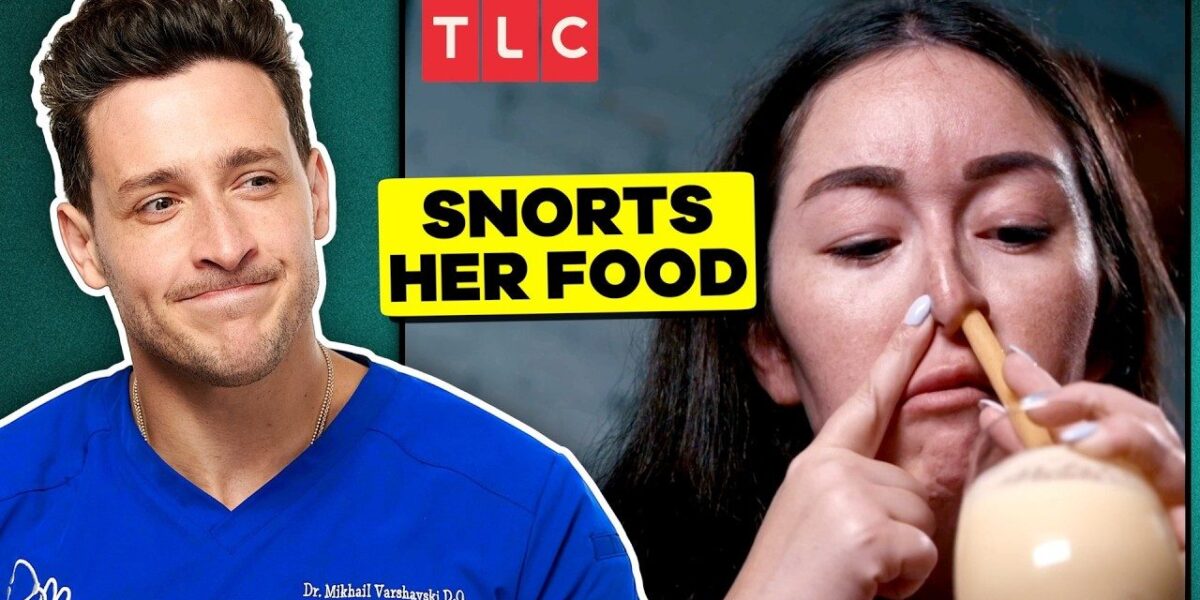
One individual, Kathryn, 31, from Alexandria, Virginia, describes blending all her food and then “snorting” it. She explains that she developed this habit due to an aversion to the textures of solid food, finding chewing to be “awful” and “primitive.” Her preferred method involves blending meals and then inhaling them through her nasal passages, believing it offers benefits like avoiding choking and consuming fewer calories.
However, medical professionals caution strongly against this practice. Dr. Katelyn (identified as a doctor reacting to the show) points out significant health risks associated with ingesting food nasally. The nasal passages are not designed to handle food, and this method can lead to:
- Sinusitis: Inflammation and infection of the sinuses.
- Eustachian Tube Dysfunction: Blockage or inflammation of the tube connecting the middle ear to the nasopharynx, potentially causing ear pain and hearing issues.
- Septal Issues: Damage or deviation of the nasal septum, the wall dividing the nostrils.
- Aspiration Pneumonitis/Pneumonia: Food entering the airway can cause inflammation of the lungs or a serious infection.
While Kathryn perceives fewer calories as a benefit, the doctor likens this to intermittent fasting, where reduced intake is a consequence of a restricted eating window rather than a unique health advantage. The core issue driving Kathryn’s aversion to chewing and her preference for snorting food needs further investigation, potentially involving a mental health specialist to explore the underlying causes and ensure safe coping mechanisms.
Perineum Sunning: A Trend Lacking Scientific Backing
Tarah, a self-proclaimed ritual priestess and musician from Southern California, practices “perineum sunning.” This involves exposing the perineum—the area between the genitals and anus—to sunlight, a practice she discovered organically and finds spiritually fulfilling.
While sunlight exposure is crucial for Vitamin D production, medical experts emphasize that the specific location of exposure is less important than overall body exposure. The primary risk associated with this practice, especially for extended periods without protection, is an increased chance of sunburn and skin cancer due to the sensitivity of the area to UV radiation.
The claims of enhanced hormone or Vitamin D production specifically from perineum sunning are not scientifically supported. Regular skin checks with a dermatologist are recommended for anyone engaging in prolonged or intense sun exposure, covering all body parts.
Onychophagia (Toenail Eating): Dangers of Pica and Anxiety Coping
Janet from Hedgesville, West Virginia, struggles with onychophagia, specifically eating her toenails, a habit she has maintained for approximately 26 years. She describes it as a way to cope with anxiety, finding that the act of chewing calms her nerves. She even collects toenails for later consumption.
This behavior falls under the umbrella of pica, the persistent eating of non-nutritive, non-food substances. Medically, ingesting toenails poses several risks:
- Infections: The nail folds can become infected (paronychia), potentially leading to cellulitis. Fungal infections (onychomycosis) are also a risk, especially if nail polish is worn, masking the infection. Bacteria and other contaminants on the feet can be ingested.
- Digestive Tract Trauma: Toenails are primarily keratin, which is poorly digested and absorbed by the body, potentially causing irritation or damage to the digestive system.
- Worsened Anxiety Coping: While Janet uses it for anxiety relief, the act is finite. Once nails are consumed, the coping mechanism is exhausted, unlike healthier alternatives like therapy or meditation.
- Exacerbated Health Issues: For individuals with conditions like diabetes and poor circulation in the feet, nail biting and eating can lead to severe infections and, in extreme cases, amputation due to impaired wound healing.
Experts suggest that Janet would benefit from discussing these coping mechanisms with a mental health professional to develop more sustainable and less harmful strategies for managing anxiety.
Extended Breastfeeding: Comfort vs. Nutritional Needs
Charlotte, a mother from Plymouth, Oregon, continues to breastfeed her seven-year-old daughter and four-year-old son. She believes in the ongoing benefits of breastfeeding, citing the release of oxytocin (the “love hormone”) and cognitive and emotional advantages for her children, even using it to soothe them during ear infections or fevers.
While breastfeeding is widely recognized for its benefits, particularly in the first year of life, medical guidelines suggest that extended breastfeeding beyond two years may not offer additional nutritional or developmental advantages. Key concerns include:
- Nutritional Gaps: Breast milk alone may not provide sufficient iron, Vitamin D, and protein for older children, who need a diverse diet of solid foods to meet their nutritional requirements.
- Dental Health: Prolonged or nighttime breastfeeding can increase the risk of dental caries (cavities) due to the sugars in breast milk.
- Limited Medical Efficacy: Breast milk does not function as a cure for ear infections or fevers.
The release of oxytocin is a valid benefit, but the assertion that benefits continue indefinitely or increase with duration is not supported by current scientific evidence. Experts also note the importance of social development and the potential for bullying or stigma associated with prolonged breastfeeding, which can impact a child’s well-being.
Semen Facials: Skincare Myths and Potential Risks
Brandy, a licensed cosmetologist, uses semen as a facial treatment, believing it provides hydration, smoothness, and a desirable glow. She applies it twice daily, often using fresh batches or stored portions.
From a dermatological perspective, semen is primarily composed of water, with some proteins, salts, and sugars. While these components might offer temporary hydration, there is no scientific evidence to support significant or lasting skincare benefits.
Brandy’s perceived improvements may be due to other factors, such as her concurrent use of conventional skincare products. Potential risks include:
- Clogged Pores and Acne: Semen can be comedogenic, potentially leading to breakouts and folliculitis.
- Sexually Transmitted Infections (STIs): If not from a monogamous, tested partner, semen can transmit infections, especially if there are any micro-abrasions on the skin.
- Allergic Reactions: Semen allergy (semen hypersensitivity) is a recognized condition that can cause irritant dermatitis.
- Dryness: Contrary to her belief, it may also dry out the skin.
The obsession with the treatment and the distress experienced when unable to access it suggest a potential compulsive behavior that warrants mental health evaluation.
Vabbing: Pheromones and Social Confidence
Another practice highlighted is “vabbing,” where individuals insert fingers into the vagina and apply the vaginal fluid to their body, believing it disseminates pheromones to enhance their appeal and confidence. One woman reported increasing her practice to 50 times a day.
The concept of human pheromones—chemical signals that influence behavior—is still largely theoretical and lacks robust scientific validation. While some chemical signaling exists in humans, the idea of distinct, universally effective pheromones like those found in animals is not scientifically proven. Potential risks associated with vabbing include:
- Infections: Vaginal fluid can potentially transmit STIs if an untreated infection is present. Introducing fingers and fluid can also disrupt the vaginal flora, potentially leading to bacterial vaginosis.
- Physical Trauma: Frequent insertion can cause tears or irritation in the vaginal tissues.
The perceived boost in confidence is likely a placebo effect or a result of improved self-perception rather than a biological response to pheromones. For individuals struggling with social skills or confidence, seeking therapeutic support, such as cognitive behavioral therapy (CBT), is a more evidence-based approach to developing healthy self-esteem and social connections.
Key Health Takeaways
- Prioritize Proven Health Practices: Rely on scientifically validated methods for nutrition, skincare, and well-being.
- Understand Nasal Passage Risks: Never ingest food or liquids through the nose; it can lead to serious respiratory and sinus infections.
- Sun Safety is Universal: While sunlight is vital for Vitamin D, protect all skin, especially sensitive areas, from excessive UV exposure to prevent sunburn and skin cancer.
- Address Pica and Anxiety: Eating non-food items like nails can cause physical harm and infection. Seek professional help for anxiety and compulsive behaviors.
- Breastfeeding Guidelines: While beneficial, extended breastfeeding beyond established recommendations may not provide additional health advantages and could pose risks like nutritional gaps or dental issues.
- Skincare Science: Be skeptical of anecdotal skincare claims. Focus on products with proven ingredients and stability. Avoid applying bodily fluids to the skin due to potential infection and allergic risks.
- Human Pheromones Unproven: The idea that vaginal fluid contains effective human pheromones is not scientifically supported. Focus on evidence-based confidence-building strategies.
- Seek Professional Guidance: If you or someone you know is engaging in unusual behaviors that impact health or well-being, consult with healthcare professionals, including doctors, dermatologists, ENTs, and mental health specialists.
Disclaimer: This article is for informational purposes only and does not constitute medical advice. Always consult with a qualified healthcare provider for any health concerns or before making any decisions related to your health or treatment.
Source: Doctor Reacts To Strange Addictions (YouTube)

Related Articles

Demi Lovato Reveals Child Star Struggles, Prefers Later Start
Demi Lovato recently discussed the immense pressure of starting their career as a child actor. While acknowledging the dream-like aspects of early fame, Lovato revealed the significant challenges of living under a microscope as a teenager. They expressed a wish to have waited until age 18 to begin their professional journey.


Ban Social Media for Under-16s, Urges Minister
Minister Kemi Badenoch is leading a charge to ban social media for children under 16, citing addiction and exploitation. Bereaved parents shared their struggles with children's screen time, emphasizing the need for government intervention and a cultural shift. The debate highlights the growing concerns over social media's impact on youth mental health and safety.


Trump’s All-Night Posting Binge Sparks Sanity Fears
Donald Trump's late-night posting sprees on Truth Social are raising serious questions about his cognitive health. Observers compare his erratic behavior and lack of sleep to signs of dementia, sparking national concern. The implications for leadership and stability are significant.