Germany Slashes Free German Courses, Sparking Integration Fears
Germany's decision to cut funding for free integration courses is raising alarms about migrant integration and social cohesion. The government cites cost savings, but critics fear long-term social and economic consequences as language learning becomes a financial hurdle for many newcomers.

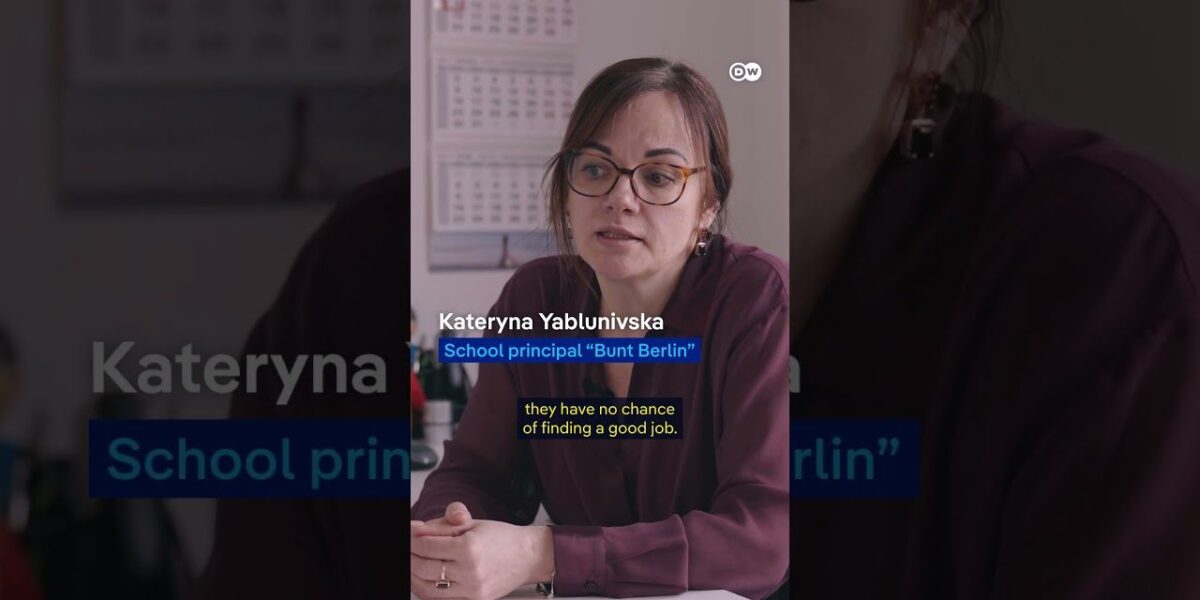
Germany Slashes Free German Courses, Sparking Integration Fears
Berlin, Germany – In a significant policy shift, Germany has drastically reduced the availability of free integration courses, a move that critics argue will impede the integration of migrants and refugees. Effective immediately, the federal government is cutting funding for these vital language and orientation programs, forcing many newcomers to bear the cost of learning German, a prerequisite for employment and permanent residency. The government cites budgetary constraints as the primary reason for the cutbacks, aiming to save public funds. However, the decision has ignited widespread concern among integration advocates and those directly affected, who fear it will create a two-tiered system and hinder social cohesion.
The Shift in Policy and Its Rationale
Historically, Germany has offered free integration courses, encompassing German language instruction and an orientation module covering German law, history, and culture. These courses were considered a cornerstone of the country’s integration policy, designed to equip newcomers with the essential tools to participate fully in society and the economy. The recent decision, however, narrows eligibility significantly. Now, only individuals who are recognized as asylum seekers or those who have received a directive to attend a course are guaranteed free access. Others, including many who have been living in Germany for some time or who are not in specific asylum categories, will face substantial fees, with costs potentially reaching up to €2,300 to achieve an intermediate language level (B1).
The federal government has defended the decision by stating that the focus is on saving money. A spokesperson for the Federal Office for Migration and Refugees (BAMF) indicated that the aim is to streamline resources and prioritize funding for those deemed most in need of immediate integration support. This rationale, however, has been met with skepticism. Critics argue that the long-term costs of reduced integration—such as increased social welfare dependency and potential social friction—will far outweigh the short-term savings.
Voices of Concern: Migrants and Experts
The impact of these cuts is already being felt by those who rely on these courses. Many migrants and refugees, particularly those with limited financial means, expressed dismay and anxiety over the new policy. For individuals like Olena, who recently arrived in Germany, the free course was a lifeline.
“Learning German is very important for work. After the course, I would like to work here in Germany,” she shared, highlighting the direct link between language proficiency and employment opportunities. “If you don’t learn the language, you won’t be integrated. Without the language, you can’t get ahead, especially in the job market.”
Her sentiment is echoed by others who see language acquisition as the fundamental step toward self-sufficiency and belonging. Another individual, whose native language is Ukrainian, emphasized the critical nature of the free program for their current situation:
“At the moment, I have no financial support, so this free course is very important and great for me. Without language, you can’t move forward here, especially in the area of work.”
These personal accounts underscore the fact that for many, the ability to secure employment and build a life in Germany is directly contingent on acquiring German language skills. The introduction of fees risks creating a barrier that could prevent many from achieving their goals.
Broader Implications for German Society
The decision to curtail free integration courses carries significant implications beyond the immediate financial burden on individuals. Experts in migration and integration warn that this policy could exacerbate social inequalities and slow down the overall integration process. Dr. Anna Müller, a sociologist specializing in migration studies, commented on the potential long-term effects:
“Language is the key to participation. By making it more difficult for people to learn German, we risk creating marginalized communities who are unable to fully engage with the labor market, the education system, and civic life. This can lead to social tensions and undermine the very fabric of our society.”
The German government has long prided itself on its comprehensive approach to integrating newcomers. These courses were a tangible manifestation of that commitment. The current cutbacks appear to signal a shift towards a more economistic approach, prioritizing fiscal austerity over social investment. This could have repercussions for Germany’s image as a welcoming nation and its ability to attract and retain talent in an increasingly globalized world.
Furthermore, the move comes at a time when Germany continues to receive a significant number of migrants and refugees, particularly from Ukraine. Ensuring their successful integration is not just a matter of humanitarian concern but also an economic imperative. A failure to integrate effectively could lead to a larger underclass dependent on social welfare, placing a greater strain on public finances in the long run.
Looking Ahead: Challenges and Alternatives
The coming months will be crucial in assessing the true impact of these funding cuts. Integration organizations are already exploring alternative funding models and lobbying for a reversal of the decision. There is a growing call for the government to reconsider its stance, emphasizing that investing in integration is investing in Germany’s future. Potential solutions could include targeted subsidies for low-income individuals, partnerships with private sector employers to sponsor language training, or a phased reintroduction of free courses based on need and eligibility. The success of Germany’s integration efforts in the years to come may well depend on its ability to navigate these challenges and ensure that language learning remains accessible to all who seek to build a life in the country.
Source: Germany’s cutback on integration courses | DW News (YouTube)

Related Articles


Illegal Immigrant Faces Murder Charge Amid Political Firestorm
Jose Medina, accused of murdering Loyola University freshman Sheridan Gorman, faces court today. The case has ignited a political debate in Chicago over immigration and sanctuary city policies. Prosecutors present strong evidence, while the defense points to Medina's alleged brain injury.

Germany, Ukraine Deepen Defense Ties, Boost Air Power
Ukraine and Germany have signed a major defense pact, boosting air defense systems and joint drone production. This strategic partnership aims to enhance European security amidst ongoing Russian strikes on Ukrainian cities. Diplomatic talks continue between Russia and China, while the U.S. reports progress in Iran negotiations.
Germany Taps Ukraine Drone Tech in New Military Pact
Germany and Ukraine have signed a new strategic partnership focused on joint drone production and military system development. The agreement aims to bolster Ukraine's defense capabilities and integrate its battlefield-tested expertise into European security efforts.