Trump Hints at Third Term, Citing ‘Strange Things’
Former President Donald Trump has sparked debate by suggesting a potential second term could effectively be his third, citing "strange things happen." This remark touches upon his past claims of electoral irregularities and raises questions about constitutional term limits and his future political ambitions.

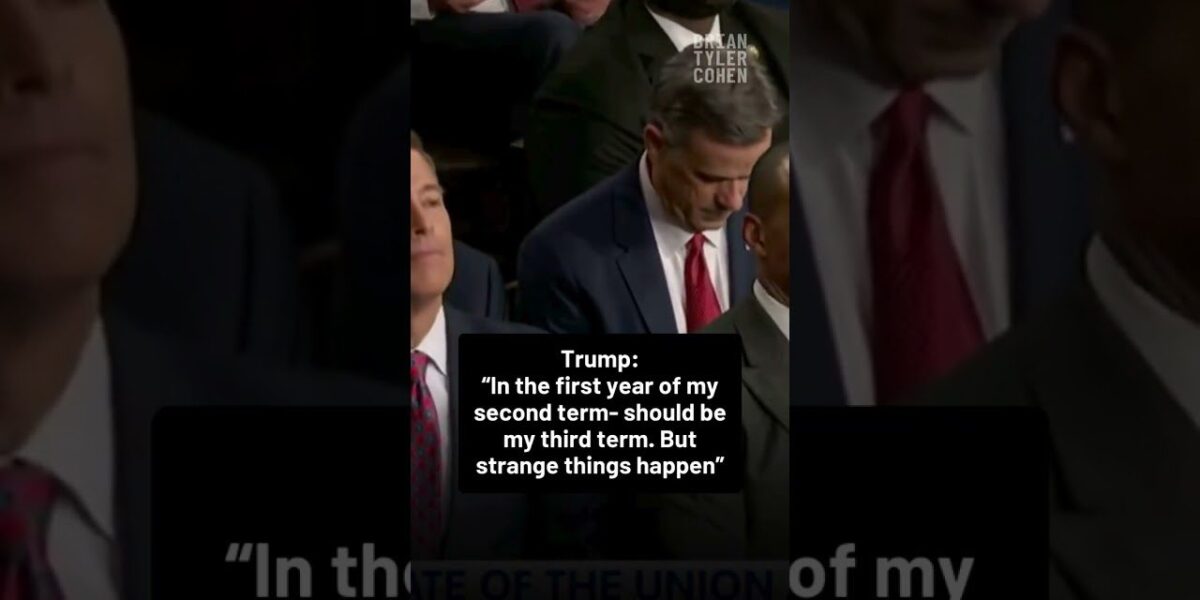
Trump Suggests Potential Third Term in Office
In a recent statement, former President Donald Trump has stirred considerable discussion by suggesting that a potential second term in office could, in effect, be his third. The remark, made during an unspecified event, implies a belief that his first term was somehow truncated or that electoral irregularities prevented him from serving a full second term, thus warranting an additional term. This statement, while brief, opens a complex dialogue about presidential eligibility, electoral processes, and Trump’s ongoing influence in American politics.
Context of the Remark
The specific context in which Trump made this statement remains unclear, as the provided transcript is extremely limited. However, the phrasing, “In the first year of my second term – should be my third term. But strange things happen,” points to a recurring theme in Trump’s rhetoric: a perception of unfairness or external interference in his political career. This sentiment has been a cornerstone of his political messaging, particularly following his defeat in the 2020 election. The reference to “strange things happen” is a veiled allusion to his unsubstantiated claims of widespread voter fraud and a “rigged” election, which he has consistently maintained.
Constitutional and Legal Implications
The U.S. Constitution, through the 22nd Amendment, limits a president to two elected terms. The amendment states, “No person shall be elected to the office of the President more than twice.” This amendment was ratified in response to Franklin D. Roosevelt’s unprecedented four terms in office. Therefore, any attempt to serve a third term, even if framed as a continuation of a previous one, would face significant constitutional hurdles. Legal scholars and constitutional experts are quick to point out that the amendment is clear and unambiguous. The ‘two-term limit’ applies regardless of how one might interpret the circumstances of past elections or the perceived length of service.
Historical Precedents and Interpretations
While the 22nd Amendment is clear, Trump’s statement could be interpreted as a rhetorical strategy rather than a literal policy proposal. Throughout history, presidents have sometimes spoken in ways that push the boundaries of conventional political discourse. However, the idea of a president serving more than two terms is largely a relic of the pre-22nd Amendment era. George Washington set the precedent of serving only two terms, which was followed by most presidents until Roosevelt. Trump’s invocation of a potential ‘third term’ taps into a historical moment before term limits were codified, suggesting a desire to transcend established norms and legal restrictions.
Political Ramifications and Public Reaction
Trump’s comments are likely to reignite debates among his supporters and detractors. For his base, such remarks can be seen as a defiant stand against the political establishment and a validation of their belief that Trump was unjustly removed from power. They may interpret his words as a call to action to rectify perceived wrongs. Conversely, critics and opponents will likely view these statements as further evidence of Trump’s disregard for democratic norms and constitutional constraints. The “strange things happen” phrase, in particular, will be scrutinized as a continued effort to undermine faith in the electoral system. The political ramifications could include increased polarization, further legal challenges, and a heightened focus on Trump’s future political aspirations, including a potential 2024 presidential run.
Broader Implications for American Democracy
The recurring nature of such statements from a prominent political figure like Donald Trump has broader implications for American democracy. It contributes to an environment where established constitutional principles and electoral processes can be openly questioned. The constant questioning of election integrity, even without concrete evidence, can erode public trust in democratic institutions. This erosion of trust can have long-lasting effects, making it more challenging to achieve consensus on important national issues and potentially leading to increased political instability. The rhetoric also highlights the ongoing tension between adherence to constitutional law and the pursuit of political power, particularly within a highly charged partisan landscape.
What to Watch Next
As the political landscape continues to evolve, attention will remain on Donald Trump’s public statements and his potential future political endeavors. Whether these remarks are merely rhetorical flourishes or indicate a genuine belief in the possibility of serving beyond the established term limits, they underscore the persistent influence of his voice in American politics. Future statements, campaign announcements, and any legal or constitutional challenges that may arise from such rhetoric will be critical to observe. The interpretation and impact of these comments will likely shape political discourse and voter sentiment leading up to future elections.
Source: Trump: "In the first year of my second term – should be my third term. But strange things happen" (YouTube)

Related Articles
Trump’s Allies Stumble, Exposing MAGA Movement’s Weaknesses
Recent events reveal cracks in the MAGA movement, from JD Vance's failed support for Viktor Orban in Hungary to disappointing Turn Point USA rallies. Trump's attacks on Pope Leo also alienate allies and expose strategic missteps. These challenges suggest a weakening of the movement's influence.
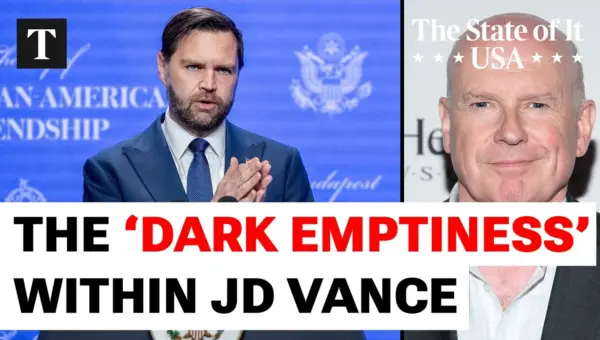
Trump’s “Malignant Narcissism” and Vance’s “Dark Emptiness”
Gerard Baker and Katy Balls discuss Donald Trump's "malignant narcissism" and JD Vance's perceived "dark emptiness." The conversation covers the US blockade of Iran, Vance's evolving role, and Trump's controversial "Jesus Christ" post, exploring its political implications and the nature of faith and authenticity in politics.
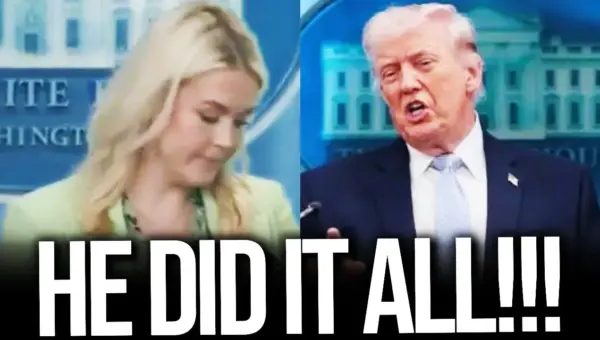
Trump Officials Dodge Key Questions on Economy, Gas Prices
Top Trump administration officials faced tough questions on rising gas prices and economic woes during a press briefing. Critics argue officials dodged key issues, offered vague promises, and deflected criticism by attacking opponents, all while serious economic concerns were met with lighthearted jokes.