Russia’s War Toll: Economy Strains, Putin’s Grip Holds
Russia faces mounting economic pressure and public hardship four years into the Ukraine war, yet President Putin's grip on power remains firm. Meanwhile, Britain has denied Russian claims of supplying Ukraine with nuclear weapons, highlighting escalating tensions and information warfare.

Russia’s War Toll: Economy Strains, Putin’s Grip Holds
Four years into Russia’s full-scale invasion of Ukraine, the conflict continues to exact a heavy toll not only on the battlefield but also on the Russian populace and its economy. Despite significant casualties and mounting economic pressures, President Vladimir Putin’s hold on power appears largely unshakeable, a testament to Russia’s deeply ingrained political culture and elite loyalty.
Economic Hardship and Public Sentiment
The Russian population is bearing a significant burden from the protracted war. Estimates suggest as many as a million Russian troops have been killed or injured, while at home, high inflation and slowing economic growth are palpable. Ordinary citizens are experiencing a stark decline in living standards, with stalled wage growth and climbing grocery prices impacting daily life. “Life has changed. We’ve become destitute. I’ve actually lost my job. Life has certainly become worse compared to previous years. That’s for sure. Inflation and all that,” lamented one individual. Despite this hardship, a sense of duty persists for some, with another stating, “It’s very painful. But Russia must be defended.”
Putin’s Political Strategy
For President Putin, continuing the war may be a more strategic option than seeking a resolution. Analysts suggest that ending the conflict without tangible improvements could lead to a public “hangover,” where citizens question the lack of progress and the sacrifices made. While growing numbers of Russians may favor an end to the war, public opinion remains largely shaped by a political culture where major geopolitical decisions are expected to emanate from the Kremlin. “Most people understand that negotiations will have to happen on some terms. Those terms must be ours. Public opinion is firm about that,” noted analyst Mitri Aeskin. The specifics of these “terms” are left to President Putin to define, with any public discontent likely to focus on immediate economic concerns rather than broader geopolitical issues.
Elite Loyalty and Systemic Stability
Despite the economic strain and the human cost of the war, President Putin’s leadership remains secure. The prevailing view is that systemic changes and the potential for power shifts originate not from popular uprisings but from divisions within the elite. “Forget about the uprisings. That’s a fairy tale from party textbooks where the people rise up and overthrow a hated regime. Power changes through splits within the elites,” explained Aeskin. Currently, the Russian elite appears unified, deterred by the high price of disloyalty. Western sanctions continue to exert pressure on the Russian economy, with a December 2025 brief from the US think tank Atlantic Council highlighting that while war-related industries are thriving, the broader civilian economy is stagnating. Moscow, the report suggests, has pushed the limits of neglecting the civilian sector, a strategy that carries long-term political and economic risks for Putin.
Denial of Nuclear Weapon Claims
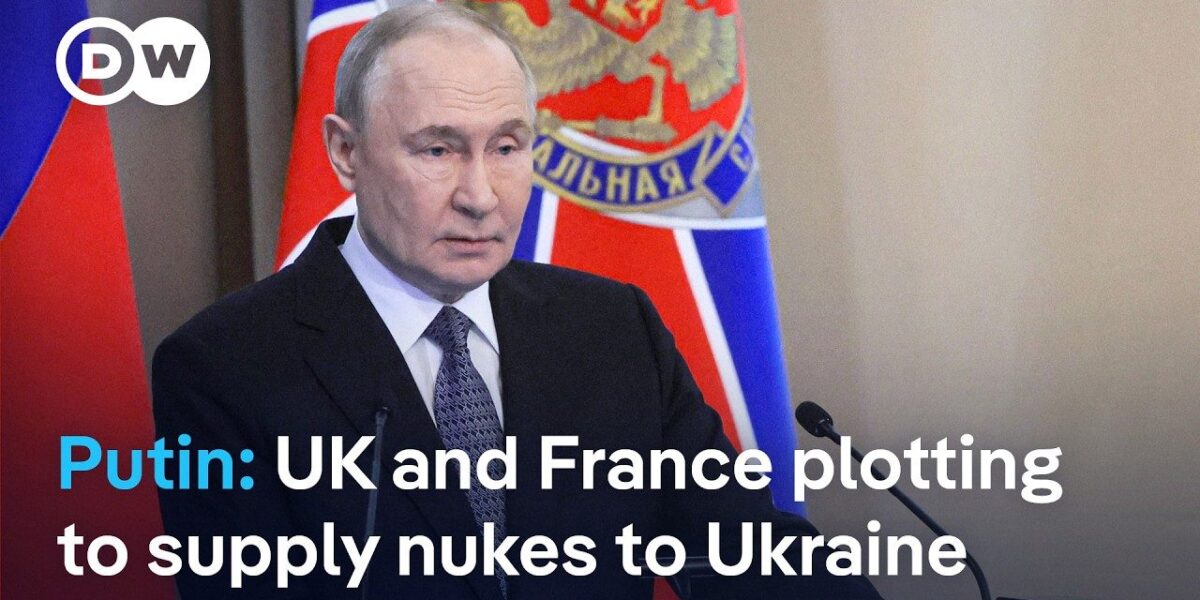
In parallel with the domestic situation, Russia has also been engaged in international rhetoric concerning the conflict. Britain has strongly denied Russian claims that it intends to supply Ukraine with nuclear weapons. This denial came after Russia’s Foreign Intelligence Service (SVR) alleged that elements of nuclear weapons technology could be transferred to Kyiv. President Putin himself addressed these allegations during a speech commemorating the fourth anniversary of the full-scale invasion. “There are already media reports of their attempts or rather intentions to use even some kind of nuclear component. They probably understand what this would lead to,” Putin stated.
Contextualizing Russian Accusations
DW correspondent Yuri Rishetto provided crucial context to these claims. He explained that President Putin’s remarks were a reaction to an SVR report warning of nuclear technology potentially ending up in Ukraine. Rishetto emphasized that Ukraine voluntarily relinquished all its Soviet-era nuclear weapons in the 1990s and is officially recognized as a non-nuclear state. However, he acknowledged that some voices within Ukraine have questioned this decision amidst the ongoing Russian aggression. Furthermore, Russia’s Foreign Ministry has issued new warnings about the risks of direct military confrontation between nuclear powers, referencing alleged nuclear war plans by the UK and France. Rishetto also pointed out that Russia updated its nuclear doctrine in 2024, expanding the conditions under which it could use nuclear weapons, a move Moscow frames as a response to Western military support for Ukraine.
Looking Ahead
As the conflict in Ukraine enters its fifth year, the internal dynamics of Russia—its strained economy, public sentiment, and the stability of Putin’s regime—remain critical factors. Simultaneously, the West’s response, including sanctions and military support for Ukraine, will continue to shape the Kremlin’s calculations. The unsubstantiated claims regarding nuclear weapons highlight the escalating information warfare and the potential for dangerous miscalculations. Observers will be watching closely for any shifts in elite cohesion, further economic repercussions within Russia, and the diplomatic pathways, however narrow, that might emerge to de-escalate tensions.
Source: Ukraine denies Russian claims on nuclear weapons | DW News (YouTube)

Related Articles
Trump’s Middle East Gambit: Escalation or Empty Threat?
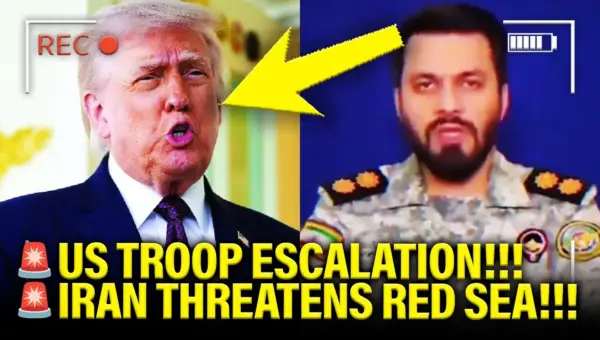
The US is sending troops and imposing a blockade in the Middle East, signaling escalation. Yet, conflicting messages from Donald Trump suggest peace is near. This analysis explores the contradictory actions, Iran's defiant response, and the potential global economic and political fallout.

Oil Prices Surge to $91 Amid Geopolitical Tensions
Oil prices have surged to $91 a barrel, driven by disruptions in the Strait of Hormuz. This is leading to higher gas prices across the U.S., with California facing particularly steep costs. The situation is fueling debate on energy policy, exports, and the transition to renewable fuels.
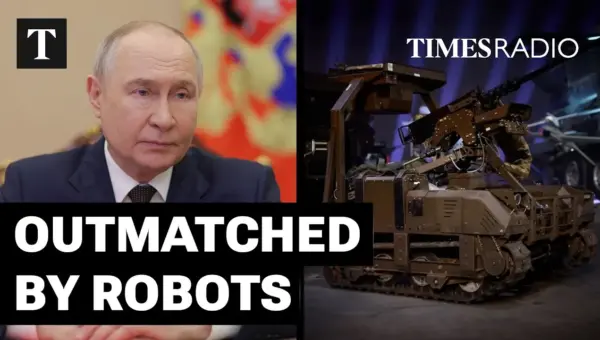
Ukraine War Robots Make Russian Tech Obsolete, Expert Says
Ukraine has achieved a historic military victory using ground robotic systems, marking a potential turning point in warfare. Defense tech expert Igor Novikov described the event as groundbreaking, highlighting the rapid evolution of conflict and Ukraine's role in pioneering its future. The conversation also touched upon concerns regarding UK defense spending and the global implications of proliferating autonomous weapon systems.