States Sue Federal Government Over Unpaid Tariff Refunds
States like Illinois and Oregon are threatening to sue the federal government to recover money from tariffs, citing a Supreme Court ruling. While individuals lack legal standing, businesses and states are exploring collective legal action to reclaim owed funds.

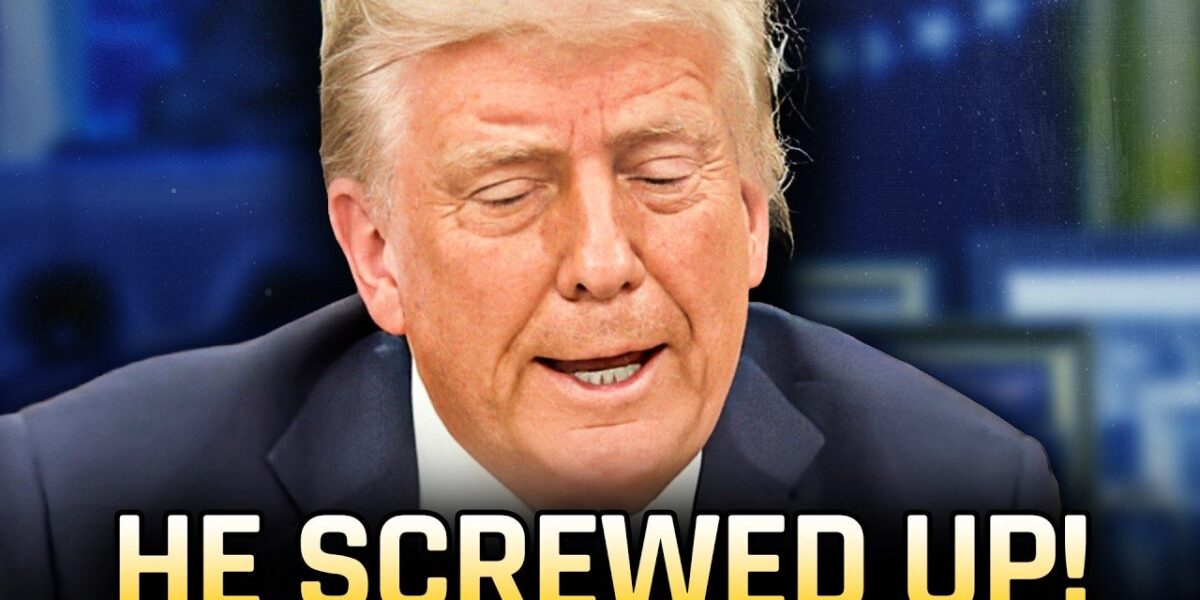
States Demand Tariff Refunds Amid Legal Battles
Illinois Governor JB Pritzker has publicly declared that the state intends to reclaim funds owed from federal tariffs, stating, “We’re going to get our money back from these tariffs.” Pritzker highlighted that Illinois citizens have faced increased prices on purchases since February of last year due to these tariffs. Following a Supreme Court ruling mandating the return of these funds, Pritzker announced via social media that the federal administration is 12 months past due. In a letter sent to the administration, Illinois has warned of potential legal action if the owed money is not remitted.
Oregon Joins Push for Tariff Reimbursement
The state of Oregon has echoed Illinois’s demands, with its Attorney General announcing over the weekend that the state will pursue legal action if the mandated tariff refunds are not issued. This coordinated effort suggests a growing movement among states to compel the federal government to comply with the Supreme Court’s directive. The transcript suggests that this could potentially escalate into one of the largest class-action lawsuits against the federal government in history, a development that the speaker hopes will materialize.
The Legal Standing of Tariffs and Lawsuits
The core of the issue lies in the legal framework surrounding tariff payments and the ability of individuals and entities to sue for their recovery. While states and businesses that directly pay duties have a clear claim, the average citizen faces a significant hurdle: legal standing. The transcript explains that individuals technically did not pay the tariffs themselves but rather absorbed the increased costs passed on by corporations. This distinction, legally, means individuals may not have the direct damages required to file a lawsuit. The speaker explicitly warns against citizens attempting to file lawsuits collectively, as they would likely be dismissed due to lack of standing.
“The states do pay those duties. Hell, even businesses pay those duties. So if you are a business owner, small, large, doesn’t matter, and you import goods as part of your business… you, the business owner, might actually have a good case to band together with other business owners and file these lawsuits, but the average citizen would not be able to do it.”
Businesses’ Potential Role in Legal Action
For business owners who import goods for production or resale, the situation is different. They may possess the legal standing to pursue claims against the federal government for unrefunded tariff payments. The transcript suggests that business owners, regardless of size, could band together to file lawsuits. However, the preferred and most effective strategy, according to the speaker, is for states to lead the charge in a consolidated lawsuit. If states are unable to secure reimbursements for businesses, then collective action by businesses becomes the next viable recourse.
Leveraging Legal Strategies Against the Administration
The article posits that the current situation presents an opportunity to adopt a strategy reminiscent of Donald Trump’s own legal tactics. The speaker suggests that by overwhelming the administration with numerous lawsuits from various states and business groups, they could be “buried in litigation.” This approach aims to force the administration’s hand, mirroring tactics where legal challenges are used to achieve desired outcomes. The expectation is that legal firms will soon begin advertising services for those with legitimate claims, signaling the impending wave of litigation.
Broader Implications and What to Watch
The escalating legal challenges from states like Illinois and Oregon signal a significant confrontation between state and federal authority over financial matters stemming from trade policy. The potential for widespread litigation could have substantial financial and political repercussions for the current administration. As more states and businesses assess their options, the landscape of federal litigation may be set to expand dramatically. Observers should monitor official statements from other state governments and the emergence of legal advertising to gauge the full scope of this developing legal battle.
Source: Blue States CORNERING Terrified Trump on Tariffs (YouTube)

Related Articles
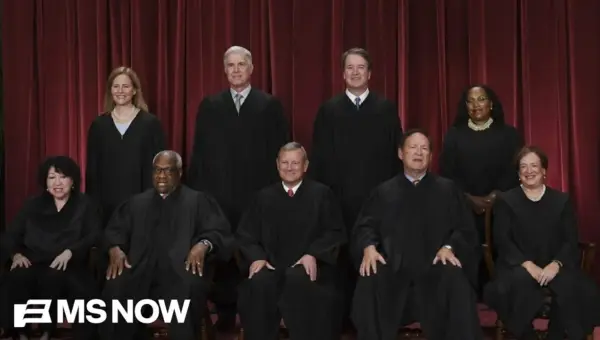
Supreme Court’s Legitimacy Tested: A Look Inside
The Supreme Court is increasingly seen as the "last branch standing" to resolve national disputes, a role that strains its legitimacy. Author Sarah Isker's new book, 'Last Branch Standing,' examines the court's internal dynamics and its complex relationship with public opinion and other branches of government.
Trump’s Tariffs Ignite Inflation Crisis, Fed Stands Helpless
Inflation has surged to 3.3%, driven by a combination of energy shocks and self-inflicted tariffs. The Federal Reserve's tools are largely ineffective against this supply-driven crisis, leading to a potential for prolonged economic pain and a political opportunity to rethink economic policy.
Critics Slam Trump’s Economic Policies, Citing Inflation and Tariffs
Critics argue that Donald Trump's economic policies, including permanent tax cuts for corporations and the wealthy, have worsened inflation and increased costs for average Americans. Tariffs and a jobless economy over the last 15 months are cited as key issues, with a proposal emerging to suspend the federal fuel tax to provide relief.