Russia’s War Economy: Sustainable Under Current Sanctions?
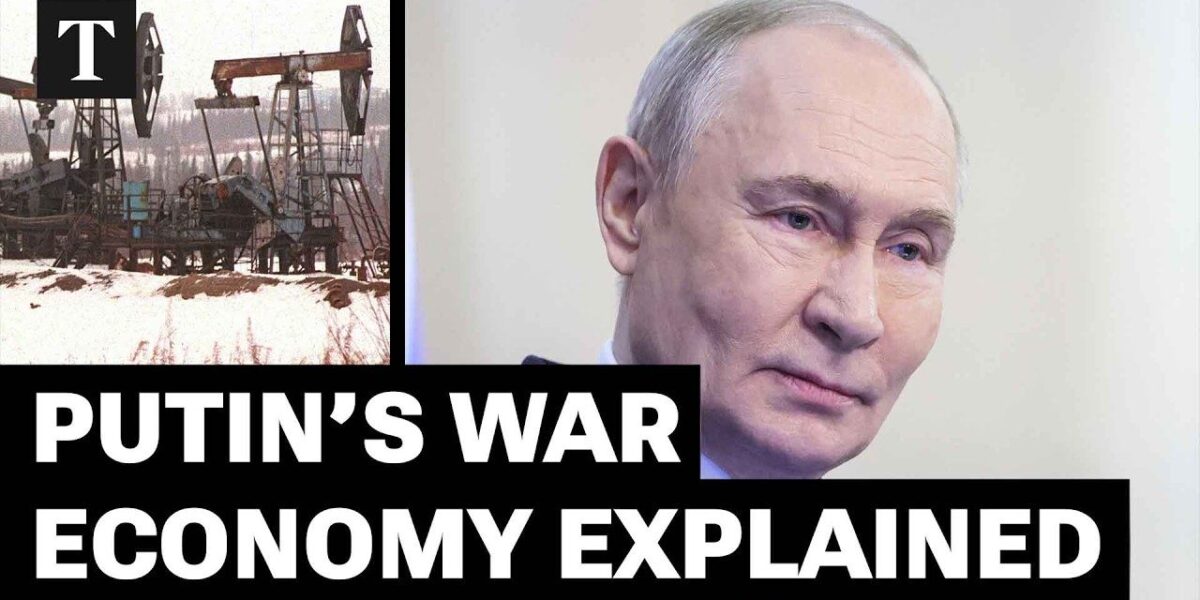
Russia's war economy is proving sustainable under current sanctions, relying on high export revenues and a contract army to maintain societal stability. However, this resilience hinges on the West refraining from increasing sanctions and keeping key maritime trade routes open.

Russia’s War Economy: Sustainable Under Current Sanctions?
Moscow, Russia – Despite extensive international sanctions imposed following the 2022 invasion of Ukraine, Russia’s war economy is demonstrating a surprising degree of sustainability, according to recent analysis. This resilience, however, is contingent on the West refraining from escalating sanctions and maintaining open maritime trade routes.
The Paradox of War and Economic Stability
Contrary to the expectation that sanctions would cripple the Russian economy, the ongoing conflict appears to have inadvertently fostered a unique economic model. Experts suggest that the Kremlin has implemented strategies to shield its society from the harshest realities of war, thereby maintaining a semblance of normalcy and fostering societal passivity. This approach aims to mask the true economic and human cost of the conflict.
Societal Shielding and the Contract Army
Traditionally, war in Russia has been associated with severe shortages, restrictions, and heightened government control. However, the current situation presents a stark contrast. Everyday life for the average Russian remains largely unaffected, with full shops and open borders. A key factor enabling this stability is the absence of widespread mobilization. Instead, the government relies on a contract or mercenary army, offering substantial financial incentives to individuals willing to serve. This strategy, while effective in maintaining troop numbers, effectively isolates the majority of the population from the direct consequences of military conscription, contributing to public apathy.
“Look, I would say that these days people who are go to the war to the front line are motivated by money by 99%… everyone who goes to the front line is motivated by money.”
The primary motivation for individuals joining the front lines is now overwhelmingly financial. While initial enthusiasm for the war may have existed among some, the harsh realities and high casualty rates have shifted the focus to monetary compensation as the principal driver for enlistment.
Economic Resilience and Shifting Trade Partners
The assertion that the Russian economy is being strangled by sanctions is, according to analysis, inaccurate. While the economy is under pressure, its fundamental reliance on raw material exports—oil, gas, timber, and metals—provides a buffer. Russian exports have seen only a marginal decline of approximately 9% since 2021, while imports have decreased by around 50%. This has resulted in a substantial trade surplus, estimated at $140 billion annually, providing significant revenue.
A significant shift has occurred in Russia’s export destinations. Europe’s share of Russian raw material imports has diminished considerably, with Asia now dominating. China has emerged as the largest importer, accounting for roughly 40% of all Russian exports. India is another major player, particularly in oil imports, often comprising 25-27% of Russia’s oil exports. Other nations like Turkey and Egypt also play crucial roles, with Egypt acting as a transit point for reselling Russian oil, primarily to India. A smaller, yet significant, portion of oil and gas continues to flow to Europe via countries such as Hungary, Slovakia, and Balkan nations.
Budgetary Pressures vs. Economic Functionality
While the overall economy functions relatively well due to export revenues, the Russian government faces challenges in financing its budget. Oil and gas revenues, a traditional mainstay of government spending, have been significantly impacted, with a reported drop of around 22% in the past year. However, this decline primarily affects government expenditure rather than the broader economic system.
Sustainability and Future Outlook
The current level of sustainability for Russia’s war economy is directly tied to the continuation of existing sanctions and the open status of key maritime straits. If the West does not increase sanctions pressure and if crucial routes like the Baltic and Black Sea straits remain accessible for major maritime exports, the economy can persist in its current state. This scenario suggests a period of stagnation rather than robust growth, mirroring the economic challenges Russia faced between 2015 and 2019 following the annexation of Crimea, which led to a documented decline in living standards.
Despite potential economic stagnation and a decline in real disposable income, such conditions are not expected to undermine political stability or the regime’s capacity to finance its war effort. The key determinant for the future sustainability of Russia’s war economy remains the international community’s willingness and ability to intensify economic pressure.
Source: Russia’s War Economy Is Only Sustainable If Sanctions Don’t Increase (YouTube)

Related Articles
UK Pledges 120,000 Drones to Ukraine in Major Aid Package
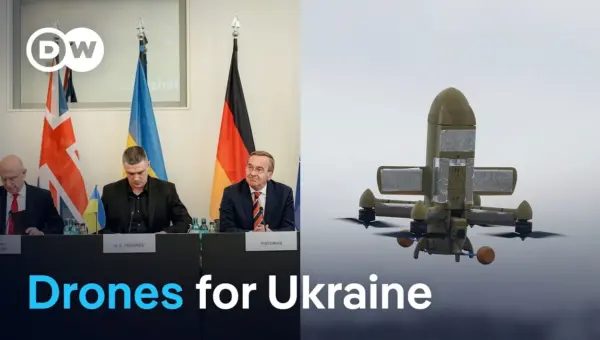
Britain has pledged 120,000 drones to Ukraine, marking its largest aid package of its kind, during a meeting of the Ukraine Defense Contact Group in Berlin. The meeting highlighted both strong international solidarity and ongoing challenges in aid delivery, as Germany also boosts its own defense capabilities.

Russia’s War Costs Strain Putin’s Elite Bargain
Russia's prolonged war in Ukraine is straining President Putin's grip on power. Declining oil revenues and escalating military costs are forcing internal power shifts, with intelligence services reportedly gaining influence. This financial pressure is creating significant discontent among the elite and risking broader instability within the Kremlin.
Ukraine Strikes Russian Oil, Army Pushes Westward
Ukraine's spring offensive is underway, with Ukrainian forces making gains and forcing difficult choices for the Russian army. Meanwhile, Ukraine has intensified drone strikes on Russian oil infrastructure, aiming to cut off war funding. International interest in Ukraine's drone technology is growing, potentially reshaping global defense markets.