US Treasury Official: Americans Won’t See Tariff Rebates
US Treasury Secretary Scott Bent indicated that Americans are unlikely to see any rebates from the nearly $175 billion in tariffs collected under the Trump administration. Despite legal arguments suggesting the funds should be returned, the money is expected to go back to corporations, not consumers, who ultimately paid the higher prices.

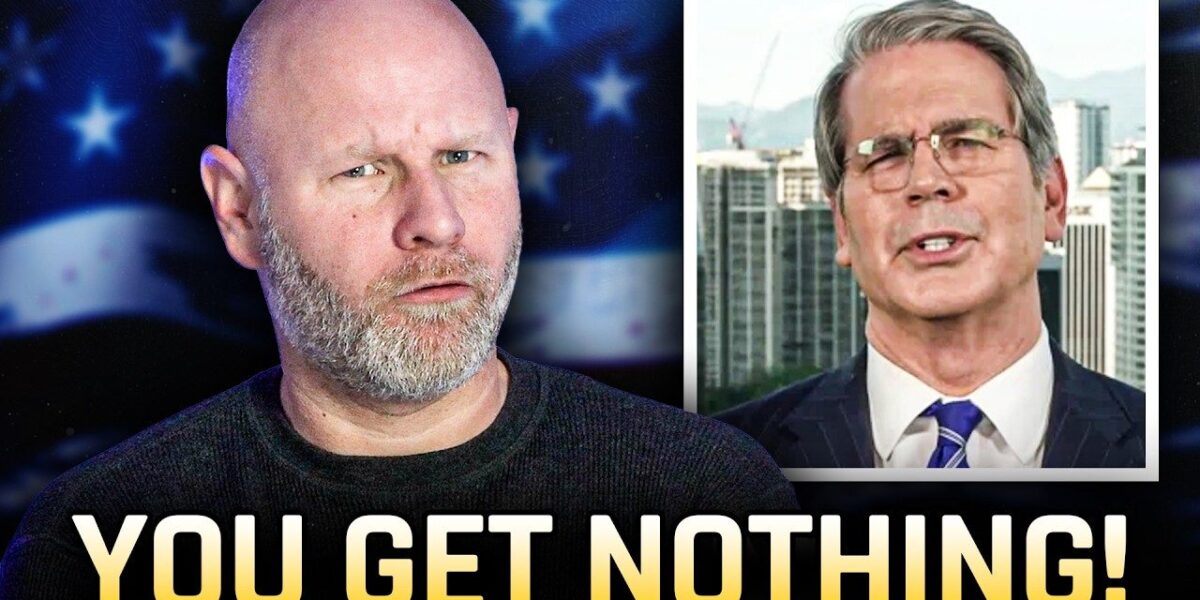
Supreme Court Ruling Sparks Debate Over Billions in Tariffs
In the wake of a significant Supreme Court ruling on Friday, the economic implications of billions of dollars in tariffs imposed under the Trump administration are coming under intense scrutiny. While the court did not directly rule on the return of collected tariffs, the issue has been sent back to the International Trade Court, potentially delaying any resolution for weeks, months, or even years. This development has sparked debate over who will ultimately benefit from the nearly $175 billion collected.
Conflicting Figures on Tariff Revenue
During an economic forum in Dallas, Treasury Secretary Scott Bent addressed the question of the tariff revenue. He acknowledged that approximately $175 billion had been collected. However, this figure is significantly lower than initial estimates. Official administration figures had projected $280 billion, and former President Trump had repeatedly claimed the tariffs brought in between $600 to $800 billion. Court filings, however, revealed the actual amount collected was closer to $170 billion.
“I got a feeling the American people won’t see it.”
Scott Bent, Treasury Secretary
When asked about the potential return of these funds, Bent stated that the matter was still in dispute and that the Supreme Court had not ruled on it. He expressed skepticism about consumers receiving any rebates, stating, “I got a feeling the American people won’t see it.” This statement, delivered with what the transcript describes as a “smug looking down his nose smirk,” has drawn criticism, particularly from those struggling with the rising cost of living.
Legal Interpretation and Consumer Impact
The transcript suggests a different interpretation of the Supreme Court’s actions, citing Justice Brett Kavanaugh’s dissent which reportedly indicated that the money “has to go back.” However, the practical reality, as articulated by Bent and echoed in the transcript, is that consumers are unlikely to see any direct refunds. The collected funds, which ultimately originated from consumer purchases, are now the subject of a complex legal battle.
The argument presented is that the money collected through tariffs was passed on to consumers through increased prices. For example, purchasing imported goods like electronics, furniture, or even many food items meant that consumers indirectly paid the tariff. If these funds were to be returned, the transcript suggests they would likely go back to the corporations that initially paid the tariffs but recouped the costs from consumers. These businesses, having already mitigated costs through price increases, would then receive a significant windfall without necessarily lowering prices.
Persistent Higher Prices for Consumers
A key concern highlighted is that even if tariffs were to be eliminated today, the higher prices consumers are currently paying are likely here to stay. The transcript draws a parallel to the price increases seen during the COVID-19 pandemic due to supply chain issues. These elevated prices became the new baseline, and consumers have since adapted to them. The expectation is that any potential tariff rebates would not lead to a reduction in the prices of everyday goods.
Stark Examples of Price Increases
The transcript provides several anecdotal examples of significant price hikes on common household items:
- A large bottle of Hershey’s chocolate syrup, which cost around $4.79 five years ago, now retails for $9.99, more than doubling in price.
- A bag of coffee grounds that previously cost between $8 to $10 now retails for $25, an increase of up to 60% or more, attributed partly to trade wars.
- A 12-pack of soda, which used to cost $3 to $4, now costs $12 to $14, making individual cans over $1 each.
These examples underscore the substantial increase in the cost of staple goods, impacting household budgets significantly. The transcript attributes these persistent price hikes, in large part, to policies enacted under the Trump administration, specifically mentioning trade wars affecting goods like coffee.
Broader Economic Context and Future Outlook
The situation raises questions about the effectiveness and fairness of tariff policies. While intended to protect domestic industries or generate revenue, the collected funds, in this case, may not be returned to the individuals who ultimately bore the cost. The complex legal and economic mechanisms involved suggest that corporations are the most likely beneficiaries of any potential rebate, while consumers continue to face elevated prices.
The ongoing legal process in the International Trade Court will be crucial in determining the final outcome. However, the commentary suggests a pessimistic outlook for consumer-level rebates. The transcript concludes by urging viewers to subscribe, like, comment, and share the video, indicating a desire to raise awareness about these economic issues among a wider audience.
Source: Treasury Secretary Tells Everyone They’re Screwed (YouTube)

Related Articles
Trump Tax Cuts Deliver Billions Back to Americans
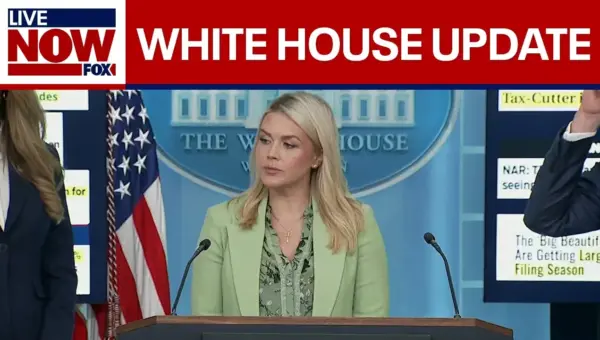
White House officials detailed the success of President Trump's "working families tax cuts" on Tax Day, reporting that over 53 million Americans have claimed significant tax savings and historic refunds. Treasury Secretary Scott Bessant and Small Business Administrator Kelly Leler highlighted benefits for individuals and small businesses, while also addressing economic outlook and international matters.
Trump Officials Dodge Key Questions on Economy, Gas Prices
Top Trump administration officials faced tough questions on rising gas prices and economic woes during a press briefing. Critics argue officials dodged key issues, offered vague promises, and deflected criticism by attacking opponents, all while serious economic concerns were met with lighthearted jokes.

AI Reshapes Economy: New Wealth Opportunities Emerge
Artificial intelligence is set to dramatically reshape the global economy within five years, creating both challenges and significant wealth-building opportunities. Experts emphasize the need to adapt by learning AI skills, drawing parallels to how past technological shifts democratized access to knowledge and investment strategies.