Toy Maker Reacts to Trump’s New Tariff Plan
Toy maker Rick Woldenberg, the lead plaintiff who successfully challenged former President Trump's tariffs, discusses the disruptive impact of these policies and the unfeasibility of reshoring production. Woldenberg also advocates for the refund of $175 billion in unlawfully collected tariff money.

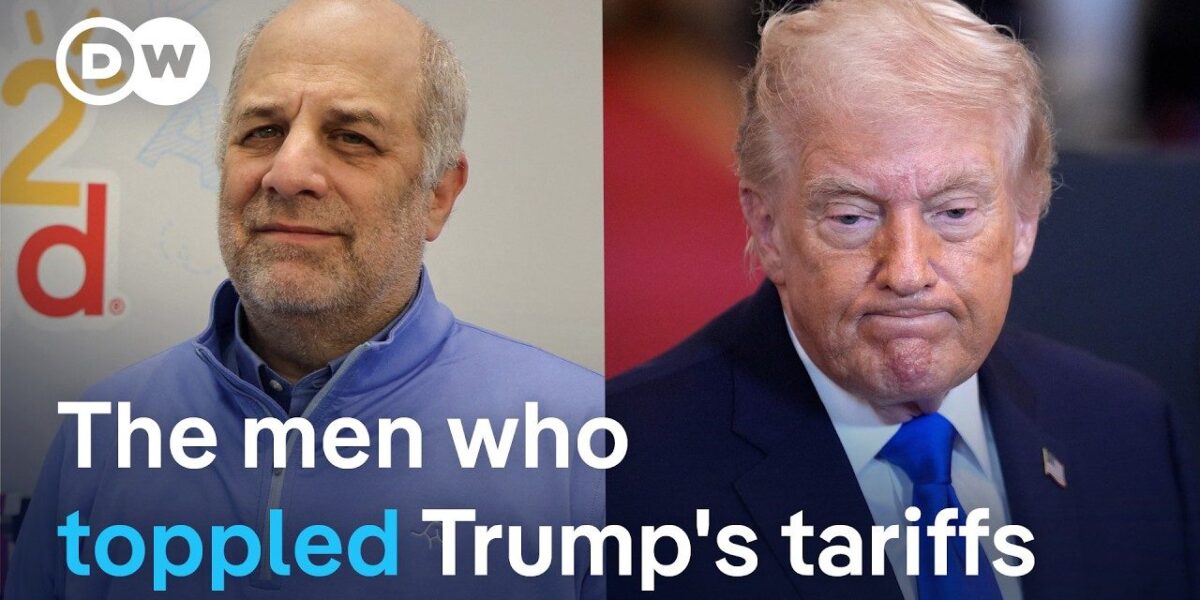
Toy Maker Rick Woldenberg on Trump’s Tariff Reversal
In the wake of the US Supreme Court striking down a significant portion of former President Donald Trump’s trade tariffs, European leaders are reportedly formulating a coordinated response to the administration’s latest move: a proposed 15% worldwide levy. This new tariff, intended as a countermeasure, has raised concerns about economic stability, with German Chancellor Olaf Scholz warning that persistent tariff uncertainty harms both European and US economies. Amidst this evolving trade landscape, Rick Woldenberg, CEO of Learning Resources and Handtoy and the primary plaintiff in the Supreme Court case that nullified previous tariffs, shared his perspective on the developments.
Challenging Trump’s Tariffs: A Business Imperative
Woldenberg expressed little surprise at the former president’s reaction, noting the administration’s prior indications of having a “plan B.” However, he remains uncertain about the legal viability of the new tariff, suggesting it may again face judicial challenges. When asked about the rationale behind suing the president in the first place, Woldenberg elaborated on the deep-seated values of his family’s business, now in its fourth generation in Northern Illinois. “We haven’t made any decisions on what to do about the Section 122 tariffs,” he stated, referring to the latest proposal. “We sued because we’re a multigenerational family business… Our purpose in life is to help kids get a great start in life. And so there was a lot to defend. I couldn’t let a politician ruin this. It’s too important.”
Disruptive Impact of Previous Tariffs
The tariffs previously imposed by the Trump administration, and subsequently struck down by the Supreme Court, had a profoundly disruptive effect on Woldenberg’s company. “They couldn’t have been more disruptive,” he explained. The business was forced to make significant cuts to spending, halting capital expenditures and marketing initiatives. Hiring was dramatically reduced, and at times, completely stopped. Furthermore, the company had to undertake a costly and complex rearrangement of its supply chain with virtually no warning.
“We had dozens and dozens of people working on that project consistently not doing their jobs doing a different job that was imposed on us by the government.”
Rick Woldenberg
To maintain financial health, the company implemented a small price increase, a measure Woldenberg likened to experiencing “pandemic 2.0.” This disruption underscored the precariousness of operating under unpredictable trade policies.
Reshoring Production: A Complex Reality
A significant portion of Woldenberg’s company’s products are manufactured in China. The prospect of moving production back to the US, a goal often espoused by the former president, is not a simple solution for the toy industry. Woldenberg suggested that companies like his possess greater expertise in toy manufacturing than policymakers. “Our product is a very labor-intensive product to make,” he noted. “And if we had an economic incentive to make it in the US, meaning we could make it at a better cost and sell it at a better price to please consumers in the most competitive market in the world, we would have done that.” He added that thousands of other US toy companies would likely do the same if it were economically feasible, emphasizing that the products in question were not originally made in the US, thus negating the concept of “reshoring.”
Woldenberg views such policies as a broad-brush justification that fails to consider the specific needs of different industries. He drew a distinction between industries like semiconductor manufacturing, which might warrant specific incentives for domestic production, and the educational toy sector, where such mandates are impractical and unnecessary.
The Case for Tariff Refunds
With Senate Democrats advocating for the refund of approximately $175 billion in tariff money collected under the invalidated policies, Woldenberg expressed strong support for the initiative. He pointed out that government overcollection of taxes is a common occurrence, often resulting in taxpayers receiving checks for overpayments. “It’s very normal. They do it millions of times a year,” he said.
The Supreme Court’s ruling that the tariffs were unlawfully imposed creates a clear legal obligation for the government. “The Supreme Court said that this tariff was unlawful as imposed. There’s law on what to do when the government collects taxes it’s not entitled to,” Woldenberg asserted. “So yes, they owe us the money. They need to pay us the money with interest pursuant to the law.”
Looking Ahead
The ongoing debate over trade tariffs and the potential for new levies underscore the volatility that businesses face in the global marketplace. As Woldenberg’s experience illustrates, unpredictable trade policies can inflict significant damage on companies, disrupt supply chains, and force difficult operational adjustments. The call for refunding previously collected tariffs highlights a broader discussion about accountability and the economic consequences of protectionist measures. Future developments will likely hinge on the legal challenges to the new proposed tariffs and the ongoing dialogue between international trade partners regarding fair and stable trade practices.
Source: Rick Woldenberg, one of the plaintiffs who helped take down Trump's tariffs, speaks to DW | DW News (YouTube)

Related Articles


FBI Docs Contradict Melania’s Epstein Introduction Claims
Newly surfaced FBI documents challenge Melania Trump's recent claims about not being introduced to Donald Trump by Jeffrey Epstein. Witness testimony suggests Epstein facilitated the introduction, contradicting Melania's public statements and raising questions about her associations and those of figures like Paulo Zampoli.
US Markets Surge as Iran Tensions Ease, Oil Prices Steady
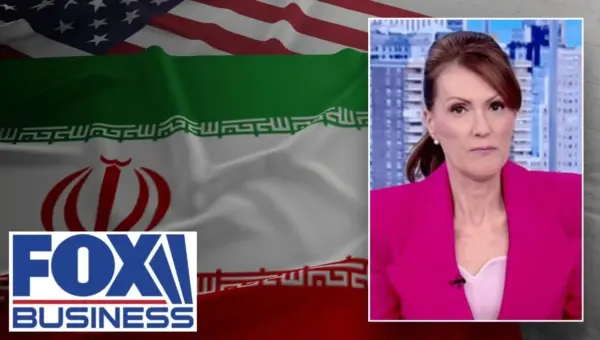
U.S. stock markets are hitting new highs as tensions with Iran ease, with the S&P 500 reaching record levels. Despite persistent oil prices around $92 a barrel, the U.S. economy shows resilience, boosted by record oil exports. The focus is shifting to the economic confrontation with Iran, including the non-renewal of oil sales waivers, and long-term strategies to bypass the Strait of Hormuz.
Iran War Disliked, But Public Outrage Muted: Analysts Weigh In
Despite widespread disapproval of the Iran war, public protests remain muted in the US. Analysts cite fear of reprisal, the prolonged nature of anti-war movements, and America's energy independence as key factors. The conflict's economic impact and the lack of clear objectives continue to fuel public skepticism, though widespread suffering is not yet felt domestically.