US Iran Blockade: A Reckless Gamble With Global Consequences
A U.S. naval blockade around Iran's ports raises concerns about escalating conflict and global economic disruption. Experts question the strategy's effectiveness and potential for unintended consequences, particularly for vital oil shipments. Allies express caution, highlighting the risks of unilateral action in a volatile region.

US Iran Blockade: A Reckless Gamble With Global Consequences
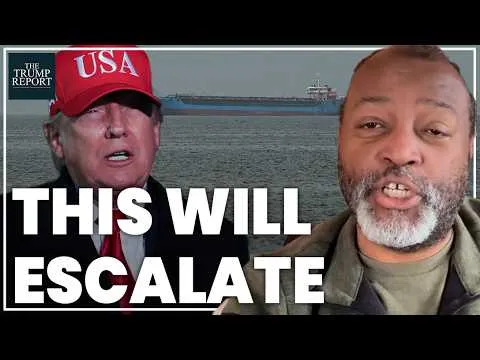
A new U.S. naval blockade around Iran’s ports, announced by former President Trump, has sparked significant concerns about its potential to escalate regional tensions and disrupt global trade. The plan, which initially suggested a broad blockade of all ships entering or leaving Iranian waters, has since been clarified to exempt vessels traveling to and from non-Iranian ports. However, the exact enforcement and intent behind this policy remain unclear, raising serious questions about its strategic wisdom and potential outcomes.
The Strait of Hormuz: A Vital Artery Under Threat
The Strait of Hormuz is a critical waterway, a narrow passage between Iran and Oman that handles a significant portion of the world’s oil shipments. Iran has implemented a new traffic system in the strait, requiring vessels to pass south of Qeshm Island and be inspected by the Revolutionary Guard Corps (IRGC). Ships must also pay a toll, reportedly around $2 million per vessel. For large oil carriers, which can be worth hundreds of millions of dollars, this fee is a small price to pay for passage.
This Iranian scheme generates substantial revenue, potentially as much as $160 billion per year, based on an estimated 140 ships passing daily. The strait’s geography plays a key role here; it is not always in international waters, with Iran and Oman controlling adjacent territories. This geographic reality gives Iran leverage, not necessarily through aggression, but through control of this vital shipping lane.
A Blockade’s Complex Reality
The proposed U.S. blockade, even with its revised scope, presents a complex set of challenges. Former U.S. Naval Intelligence officer Malcolm Nance highlighted several potential scenarios, none of which bode well for international stability. One possibility is a warning issued to vessels approaching blockaded areas. However, Nance points out that such warnings are often ignored by ships seeking to break sanctions or blockades.
A more forceful approach would involve Visit, Board, Search, and Seizure (VBSS) operations. These are specialized teams trained to board vessels. However, ships can resist boarding by locking down their bridges and engine rooms, making compliance impossible. The most extreme option is firing warning shots, which could escalate to damaging or sinking a vessel. This action would be particularly problematic if the vessel is not Iranian property, potentially leading to diplomatic crises with the flag nation.
Global Ramifications and Economic Fallout
The implications of such a blockade extend far beyond the immediate region. China, India, and Pakistan are the primary recipients of oil shipped from Iran. India, in particular, is described as desperate for oil and its byproducts, essential for its vast population and industries. Disrupting these shipments could lead to widespread hardship, famine, and political instability in these countries.
Nance argues that any strife or famine resulting from these actions would be on Trump’s shoulders. He also points out that the conflict started with an act that closed the Strait of Hormuz, and the current blockade is a further escalation. The potential for oil prices to surge, possibly to $120 per barrel, is a significant concern for the global economy. Furthermore, the lack of essential chemicals derived from oil could cripple industries worldwide, including medicine production in India and fertilizer manufacturing, impacting agriculture in regions like Sub-Saharan Africa and South Asia.
Historical Context and Strategic Missteps
The current situation is seen by some as a departure from traditional military strategy. Nance expresses disappointment with military leaders who, he believes, are not providing unvarnished advice to the President. He criticizes the idea of a blockade as something likely conceived by individuals without military experience, suggesting it ignores the potential for unintended consequences.
Historically, the Strait of Hormuz has been a flashpoint, but a full blockade of this nature is a significant escalation. Nance recalls instances where Iraqi blockade runners would chain their doors and resist boarding, highlighting the potential for direct confrontation. He also notes that China, a major player in the region, could intervene, potentially escorting vessels through Iranian waters, which could further complicate the geopolitical landscape.
Diplomacy Amidst Uncertainty
The effectiveness and intent of the U.S. administration’s actions are questioned, given what is perceived as inconsistent messaging. While the U.S. Central Command has issued warnings about interception, diversion, and capture for unauthorized vessels, it also states that neutral transit passage will not be impeded. This nuanced wording, likely crafted by legal experts, suggests a strategy that might allow ships to pass through Iranian-controlled lanes and pay tolls, inadvertently benefiting Iran financially.
Meanwhile, international allies like the UK and France are urging for the reopening of the strait and are planning diplomatic conferences. They are not joining the U.S. blockade, emphasizing that this is not a NATO mission and that the U.S. acted unilaterally. This lack of allied support underscores the controversial nature of the blockade and its potential to isolate the U.S. on the international stage.
Why This Matters
The U.S. naval blockade of Iran’s ports, if fully implemented, represents a high-stakes gamble with far-reaching consequences. It risks igniting a wider conflict, disrupting global energy supplies, and causing severe economic hardship worldwide. The move highlights a potential disconnect between political objectives and military realities, raising concerns about the decision-making process and its impact on international stability. The situation underscores the delicate balance of power in the Middle East and the interconnectedness of global economies, where actions in one region can have profound effects across the globe.
Future Outlook
The coming days and weeks will be crucial in determining the trajectory of this situation. The clarity of enforcement, the response from Iran and other major powers like China, and the diplomatic efforts of international allies will all play a significant role. The potential for miscalculation remains high, and the economic and human cost of escalation could be immense. This event serves as a stark reminder of the complexities of international relations and the critical need for careful, considered policy decisions in volatile geopolitical environments.
Source: Trump's Iran blockade: ‘Which moron came up with this idea?’ | Malcolm Nance (YouTube)

Related Articles
Iran Oil Blockade Hits Exports, Negotiations Stall
The U.S. has implemented a blockade halting Iran's oil exports, significantly impacting its revenue. Negotiations have collapsed, and Iran faces limited options. This geopolitical move could lead to market volatility, particularly in oil prices.
Trump Signals Indifference to High Gas Prices, Critics Warn
President Trump has declared indifference to the outcome of Iran peace talks and potential impacts on gas prices, drawing sharp criticism. Analysts view his stance as a strategic "game of chicken," while critics like Eddie Glaude call it an "eat cake" moment for ordinary Americans facing economic hardship. Concerns are rising about potential escalation and a lack of accountability.
US Blockades Iran; Trump Threatens Naval Annihilation
The US has implemented a naval blockade on Iranian ports, with President Trump issuing a stark warning to destroy any Iranian ships that approach. This move significantly escalates tensions and is expected to impact global oil prices, particularly affecting Asian nations like China. The strategy aims to pressure Iran back to negotiations, but carries risks of wider conflict.