US Navy Blockade Sparks Tensions with Iran, China Weighs In
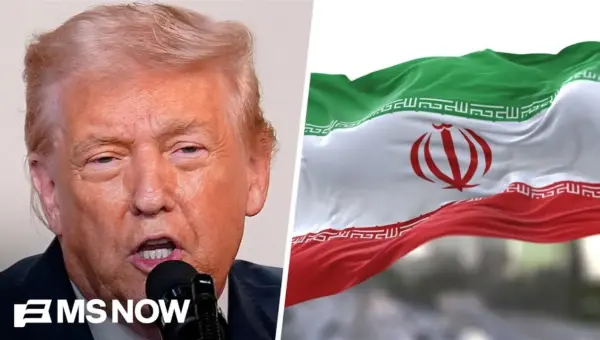
The U.S. Navy has initiated a targeted blockade in the Persian Gulf, aiming to pressure Iran by restricting ships entering or leaving its ports. However, the operation faces challenges, with allies hesitant to support and Iran possessing a diversified economy that may limit the blockade's impact. Concerns are rising over potential escalation, including reports of China preparing to supply advanced weaponry to Iran.

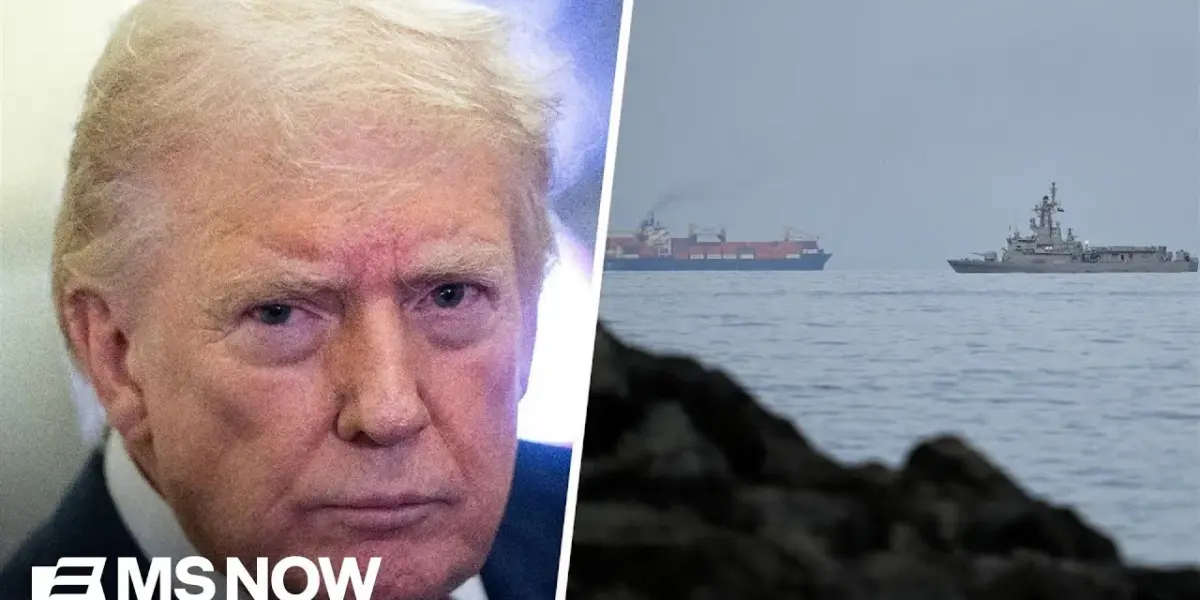
US Navy Implements Gulf Blockade Targeting Iran
The U.S. Navy has initiated a blockade in the Persian Gulf, specifically targeting ships entering or leaving Iranian ports. The White House confirmed the operation, which aims to increase pressure on Tehran. This move follows President Trump’s earlier, broader announcement of blocking all ships in the Gulf, a scope that was later narrowed to focus solely on Iran.
However, the strategy faces immediate challenges. Diplomats in the Gulf report that other nations’ ships, including those from Kuwait and the UAE, are now hesitant to travel in the region due to fears of mines. This has not led to a significant increase in safe passage for non-Iranian vessels, undermining a potential benefit of the operation.
Iran’s Resilience and Diversified Economy
Experts suggest Iran may not easily yield to the blockade. The country has worked to diversify its economy, reducing its heavy reliance on oil sales and maritime trade. Land-based trade routes offer alternative ways to move goods, potentially limiting the blockade’s economic impact on the Iranian regime.
This new blockade adds to existing restrictions. While a smaller number of ships, perhaps eight daily, were previously passing through, many carrying Iranian crude oil, Iran has already faced intensive bombing for a month. This suggests the current strategy may not yield quick concessions from Iran.
Allies Hesitate to Support US Blockade
The United States appears to be undertaking the blockade largely alone. Key allies, including the United Kingdom and Spain, have stated they will not provide assistance. When asked for a list of countries supporting the operation, the White House did not respond with specifics, indicating a lack of broad international backing.
President Trump has publicly criticized these allies, expressing disappointment in their reluctance to join the action. Polling data from the UK and Spain suggests the public in those nations does not support their leaders getting involved in actions against Iran, further complicating US efforts to build a coalition.
Military Capabilities and Strategic Implications
The U.S. Navy possesses the capacity to maintain such a blockade. Navy destroyers have already traversed the Strait of Hormuz, establishing channels for safe passage. The military has extensive capabilities for mine countermeasures, covering both underwater and surface threats.
However, the long-term effectiveness is debated. Iran, like Russia, has become adept at managing oil sales through various routes, making oil highly flexible. While the blockade may exert strategic pressure, Iran has developed ways to mitigate its impact. The US initiative aims to control maritime traffic, but the details of its implementation are complex.
China’s Potential Involvement and Escalation Concerns
New reports indicate China is preparing to send shoulder-fired anti-aircraft missiles to Iran. These weapons could be used against low-flying aircraft, raising concerns about a significant escalation. This potential move raises questions about whether China and Russia might begin actively backing Iran.
An expert on Iran suggests Tehran is considering military responses to the blockade, viewing it as an act of war. This pattern of US escalation and Iranian counter-response has repeated over the past five weeks, leading to ongoing tensions. The potential involvement of China is seen as a major escalation, posing a threat to US presence in the region.
Broader Geopolitical Stakes
The stakes for China in this conflict are substantial. If the US fails to secure Iran’s uranium or prevent its control over the Strait of Hormuz, it could weaken the US global standing, benefiting China. An ineffective US military strategy that does not lead to regime change in Iran further diminishes US credibility.
China appears poised to benefit from a vacuum created as the US alienates allies and engages in protracted, seemingly unsuccessful conflicts. China has also provided Iran with intelligence gathering and targeting support, along with significant cyber capabilities. The deployment of US Marines could also be aimed at securing highly enriched uranium, a critical asset.
Expert Analysis and Future Outlook
“A blockade is an act of war, so by setting up this blockade, that is what President Trump has done. And it’s just I agree with Stephen and everyone this morning, it’s the president escalating. And, you know, Iran seems to respond with its own escalation.”
Analysts predict a continued cycle of threats, escalation, and Iranian responses. While indirect conversations between Iran and other regional players like Pakistan and Saudi Arabia may offer avenues for de-escalation, the core issues are complex and long-term.
The situation remains volatile, with potential for further military action and diplomatic maneuvering. The involvement of major global powers like China adds another layer of complexity to the ongoing tensions in the Persian Gulf.
Source: China providing air defense systems to Iran would be 'threat' to U.S.: Ret. U.S. Army Maj. Gen. (YouTube)

Related Articles
Trump Signals Indifference to High Gas Prices, Critics Warn
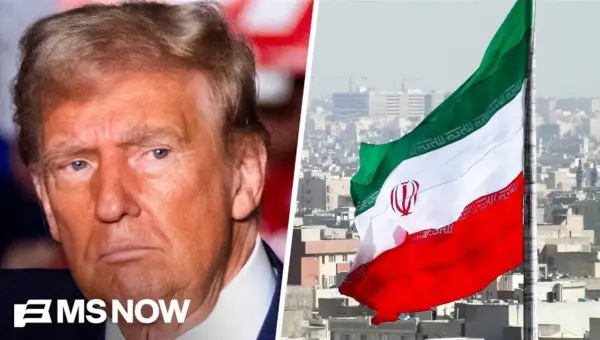
President Trump has declared indifference to the outcome of Iran peace talks and potential impacts on gas prices, drawing sharp criticism. Analysts view his stance as a strategic "game of chicken," while critics like Eddie Glaude call it an "eat cake" moment for ordinary Americans facing economic hardship. Concerns are rising about potential escalation and a lack of accountability.
Iran War Risk: US Action Could Backfire, Expert Warns
A former U.S. deputy national security advisor warns that American naval actions in the Strait of Hormuz could backfire, potentially hurting the U.S. more than Iran if the conflict prolongs. He also expressed doubts about the current administration's ability to conduct effective diplomacy with Iran.


US Blocks Iran Ports Amid Escalating Tensions, Oil Prices Surge
President Trump announced a U.S. military blockade on Iranian ports, escalating tensions after peace talks failed. The move sent oil prices soaring above $100 a barrel. Meanwhile, Congressman Eric Swalwell suspended his California gubernatorial campaign amid sexual misconduct allegations, and the Artemis II astronauts returned safely from their historic moon mission.