US Imposes Naval Blockade on Iran’s Ports
The United States has launched a naval blockade of Iran's ports, aiming to halt its oil exports and force diplomatic concessions. This move has already caused oil prices to surge and raises concerns about global economic stability and potential military escalation. International reactions are mixed, with Iran condemning the action and many foreign leaders expressing skepticism.

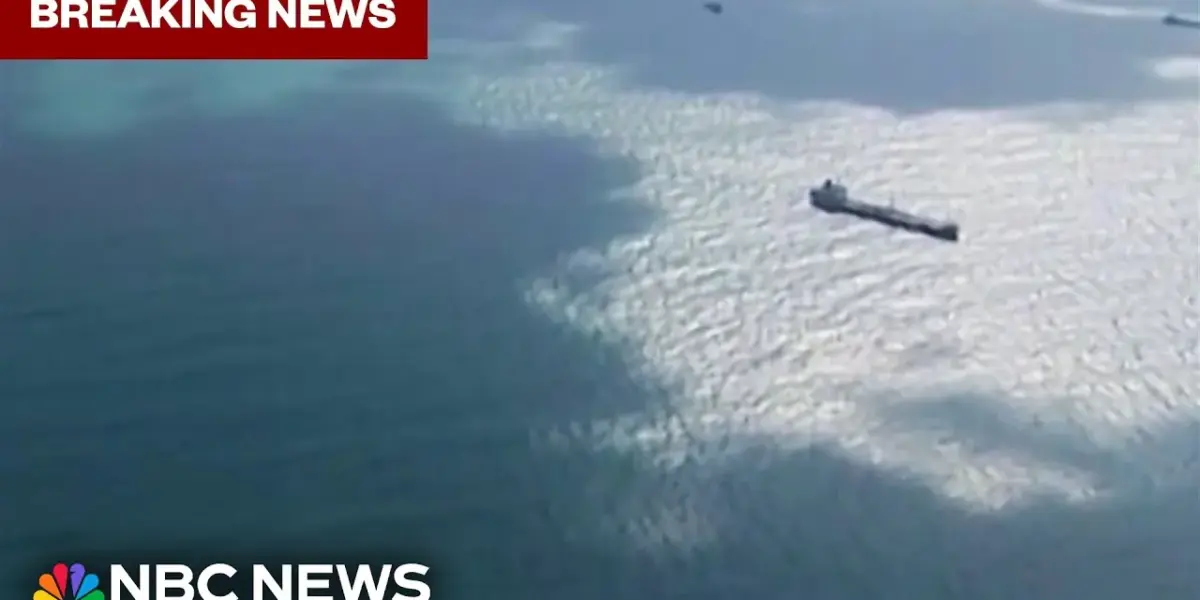
The United States has officially implemented a naval blockade on Iran’s ports, aiming to cut off the nation’s oil exports and pressure it back to the negotiating table. This significant move escalates the ongoing tensions and raises concerns about global oil prices and regional stability.
Blockade Aims to Choke Off Iranian Oil
The U.S. blockade is designed to halt Iran’s ability to sell oil and natural gas on the international market. This strategy is intended to cripple the Iranian economy, forcing its leaders to reconsider their stance on nuclear negotiations. The action comes after a period of heightened conflict and failed peace talks.
Analysts suggest this move could lead to less Iranian oil reaching global markets. Since oil is a global commodity, this reduction could drive up prices worldwide. Nations like China and India, which rely on oil imports, may face higher costs. While the intention is to subdue Iran, the blockade could inadvertently harm global markets.
Iran Condemns Move, World Leaders React
Iran has strongly condemned the U.S. blockade. Meanwhile, international reaction suggests a growing unease with the escalating confrontation. Many foreign leaders, particularly allies of the U.S., are reportedly skeptical of the administration’s approach. The president’s efforts to portray Iran as defeated are not widely accepted internationally.
The situation is a direct result of stalled negotiations between the U.S. and Iran. Peace talks that lasted 21 hours over the weekend failed to yield any agreement. The primary sticking points remain Iran’s enriched uranium program and its potential to develop nuclear weapons.
Nuclear Program Remains Key Obstacle
According to the U.S., Iran’s nuclear ambitions are the main reason for the ongoing delays in negotiations. This issue has been a central cause of the conflict from its beginning. Diplomats have been trying to address these concerns for years.
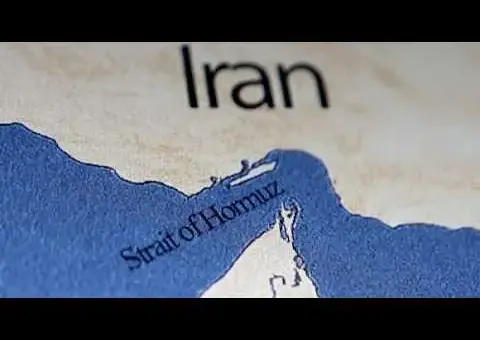
The Strait of Hormuz has become a critical focus during the conflict. However, the president insists the core issue is Iran’s pursuit of nuclear weapons. While Iran, as a party to the Non-Proliferation Treaty, has a right to enrich uranium, the U.S. wants Iran to give up this right entirely. This fundamental disagreement highlights the vast gap between the two nations’ positions.
U.S. Military Prepared for Enforcement
The U.S. military has positioned ships and aircraft to enforce the blockade. The Navy is actively informing mariners that Iran’s coastline is officially blockaded. Ships attempting to enter or exit Iranian ports will be intercepted, with consequences to follow. This includes the possibility of ships being approached, boarded, or even disabled.
The U.S. military is prepared for potential escalations. However, the exact response to a vessel attempting to break the blockade, especially one from a major power like China, remains uncertain. Such an encounter could have significant diplomatic and military repercussions.
Economic Impact: Oil and Gas Prices Surge
The implementation of the blockade has already sent shockwaves through financial markets. Crude oil prices have surged significantly, with heating oil and jet fuel prices also rising. This increase is directly linked to the reduced supply of Iranian oil.
Consumers can expect to see higher gasoline prices at the pump. The White House has acknowledged that elevated gas prices may persist, potentially impacting the upcoming midterm elections. The uncertainty surrounding the conflict and its duration is a major concern for investors.
Looking Ahead: A Tenuous Situation
The U.S. naval blockade marks a critical development in the ongoing tensions with Iran. The success of this strategy hinges on its ability to pressure Iran without triggering a wider conflict or further destabilizing global energy markets. The coming days and weeks will be crucial in determining the effectiveness of the blockade and its broader consequences.
Source: U.S. military blockade of Iran's ports goes into effect (YouTube)

Related Articles
US Blockades Iran; Trump Threatens Naval Annihilation
The US has implemented a naval blockade on Iranian ports, with President Trump issuing a stark warning to destroy any Iranian ships that approach. This move significantly escalates tensions and is expected to impact global oil prices, particularly affecting Asian nations like China. The strategy aims to pressure Iran back to negotiations, but carries risks of wider conflict.
US Blockades Iran Ports: Economic Blow or Empty Threat?
The US has initiated a blockade of Iranian ports, aiming to cripple Iran's oil exports and economy. While ships traveling between non-Iranian ports are exempt, the move signifies a significant escalation. Analysts question its effectiveness and Iran's potential response.
Iran War Risk: US Action Could Backfire, Expert Warns
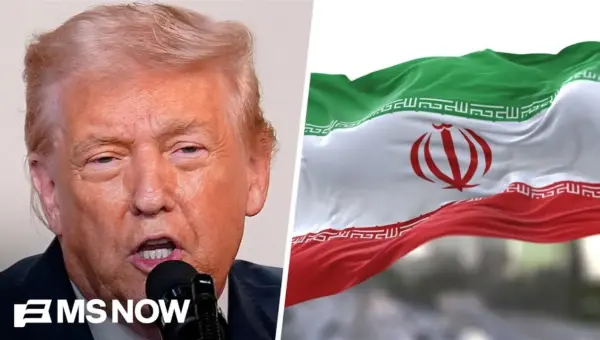
A former U.S. deputy national security advisor warns that American naval actions in the Strait of Hormuz could backfire, potentially hurting the U.S. more than Iran if the conflict prolongs. He also expressed doubts about the current administration's ability to conduct effective diplomacy with Iran.