Hungary Votes No to Putin: Orban’s Loss Hailed as Western Victory
Hungary has delivered a significant blow to Vladimir Putin by voting against Viktor Orbán's pro-Russia policies. Sir Bill Browder hailed the election as a Western victory, noting Orbán's role as Putin's key EU ally. The article also discusses covert Russian operations targeting undersea cables as a new front in asymmetric warfare.

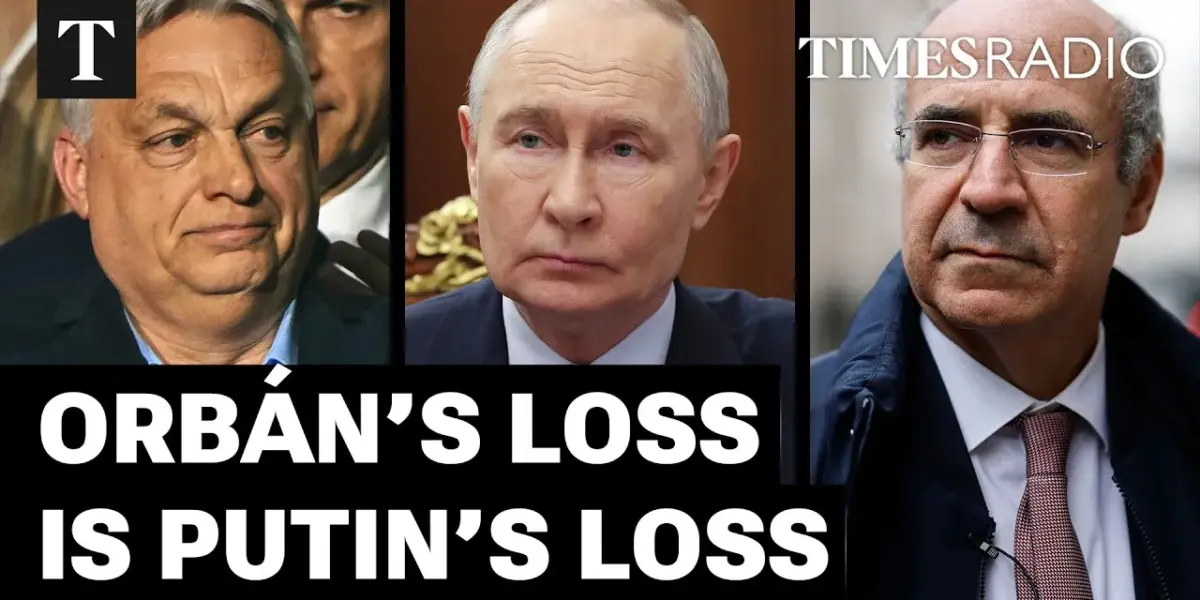
Hungary Rejects Pro-Russia Stance in Landslide Vote
In a significant political shift, Hungary has decisively rejected its pro-Putin stance, delivering a major blow to Russian President Vladimir Putin. The recent election results in Hungary are being hailed as a victory for the West and the European Union, marking a landslide defeat for Viktor Orbán’s alignment with Russia. This outcome signals a potential weakening of Putin’s influence within Europe, raising questions about his future strategies.
Orbán’s Exit: A Major Blow to Putin’s EU Strategy
Sir Bill Browder, a prominent critic of the Kremlin and head of the Global Magnitsky Justice Campaign, described Orbán’s election loss as a “major body blow” to Vladimir Putin. Browder explained that within the European Union, decisions often require unanimous agreement from all member countries. For years, Viktor Orbán served as a key ally for Putin inside the EU, frequently vetoing policies that were tough on Russia or beneficial to Ukraine.
A recent example highlighted by Browder was the EU’s plan to lend 90 billion euros to Ukraine to help it defend against Russia. Orbán had vetoed this crucial financial aid, leaving Ukraine without necessary support. However, the newly elected leadership in Hungary, under Prime Minister Peter Magyar, has indicated a willingness to support such loans and has distanced itself from Putin’s agenda. This change means Putin has lost a “very valuable tool” in his efforts against the West.
Hungarian People Speak: “Russians Go Home”
The election campaign in Hungary heavily featured the country’s relationship with Europe and its opposition to Putin. Celebrations in Budapest following the vote saw crowds chanting “Russians go home,” reflecting a strong public sentiment against the previous pro-Russian policies. Browder expressed surprise that a European nation with a history of Soviet occupation would openly support Putin and Russia.
“The simple answer is that it wasn’t politically possible,” Browder stated, referring to the previous pro-Putin stance. “The Hungarian people, when given the choice, the vote, rejected it in large numbers.” He emphasized that this was a clear rejection of Orbán’s policies and a strong endorsement of Western values and the European Union.
Putin’s Influence: Beyond Hungary
Despite this significant setback in Hungary, Putin is expected to continue seeking influence in other regions. Browder pointed out that Hungary is not Putin’s only point of leverage. He mentioned that Slovakia’s Prime Minister Fico and the Czech Republic’s Prime Minister Babis show tendencies that align with Putin’s interests, though perhaps less overtly than Orbán.
However, Browder suggested that leaders like Fico and Babis should pay attention to Hungary’s experience. The widespread rejection of Orbán’s pro-Putin stance by Hungarian voters serves as a cautionary tale. Browder noted that the methods Putin uses to gain allies, whether through bribery, blackmail, or threats, are dangerous. He concluded that openly supporting Putin is politically risky, as demonstrated by the recent Hungarian election results.
Undersea Cables: The New Front in Asymmetric Warfare
The discussion also turned to a more covert threat: Russian activity near critical undersea cables and pipelines. The UK’s Defense Secretary recently reported that three Russian submarines conducted a month-long covert operation in the Atlantic, north of the UK, near these vital infrastructures.
Browder characterized this situation as part of an ongoing “asymmetric war” with Russia. He argued that Putin uses various tactics, including drone threats and actions targeting infrastructure, to destabilize Western economies and confidence. Browder stressed that nations like the UK must view these actions as acts of war, not just diplomatic or legal issues.
“If they want to sever the internet cables coming into the United Kingdom, we will be facing a catastrophic economic collapse,” Browder warned. He urged a more robust response, suggesting that boarding Russian ships surveying these cables and arresting sailors should be considered necessary measures to protect national security. He criticized the current approach as “tiptoeing around” and failing to grasp the severity of the threat.
Looking Ahead: Putin’s Next Moves
With a key ally lost in Hungary and facing new challenges in securing critical infrastructure, Vladimir Putin’s next steps remain a focal point. The Kremlin has expressed a desire for pragmatic ties with Hungary’s new leadership. However, the broader implications of Hungary’s electoral shift for EU policy and the ongoing covert actions by Russia near vital Western infrastructure will be closely watched. The effectiveness of Western defenses against such asymmetric threats and the potential for further Russian destabilization efforts are critical issues to monitor in the coming months.
Source: Orbán’s Defeat Is A 'Victory For The West' | Sir Bill Browder (YouTube)

Related Articles


Trump’s Hormuz Blockade Plan Draws UK Rebuke, Sparks War Fears
The U.S. faces criticism for a proposed blockade of ships from Iranian ports, with the UK refusing to participate and citing concerns about escalating conflict. The plan raises questions about effectiveness and risks drawing in major powers, while a separate debate brews in the UK over adopting EU rules using "Henry VIII powers."

Orbán Ousted: Hungary Elects New Leader After 16 Years
Hungary's Viktor Orbán has been defeated after 16 years, losing a landslide election to center-right rival Péter Magyar. The outcome signals a potential shift in Hungary's relationship with the EU and its stance on the Ukraine war. The result has been met with relief in Brussels and a surge in Hungary's currency.

Hungary’s Election Shift: What’s Next for Europe’s Conservatives?
Hungary's recent election signals a shift, not an end, for European conservatism. While Victor Orban's defeat might alter Hungary's relationship with the EU and China, underlying conservative support may persist. The outcome highlights the impact of economic issues on voters and offers a potential reset for Hungary's international ties.