Trump’s Iran Strategy Shifts Global Oil Markets
The U.S. is implementing a blockade strategy to halt Iranian oil exports, significantly impacting China's energy supply. This move aims to cripple Iran's economy and missile programs, potentially increasing global oil price volatility.

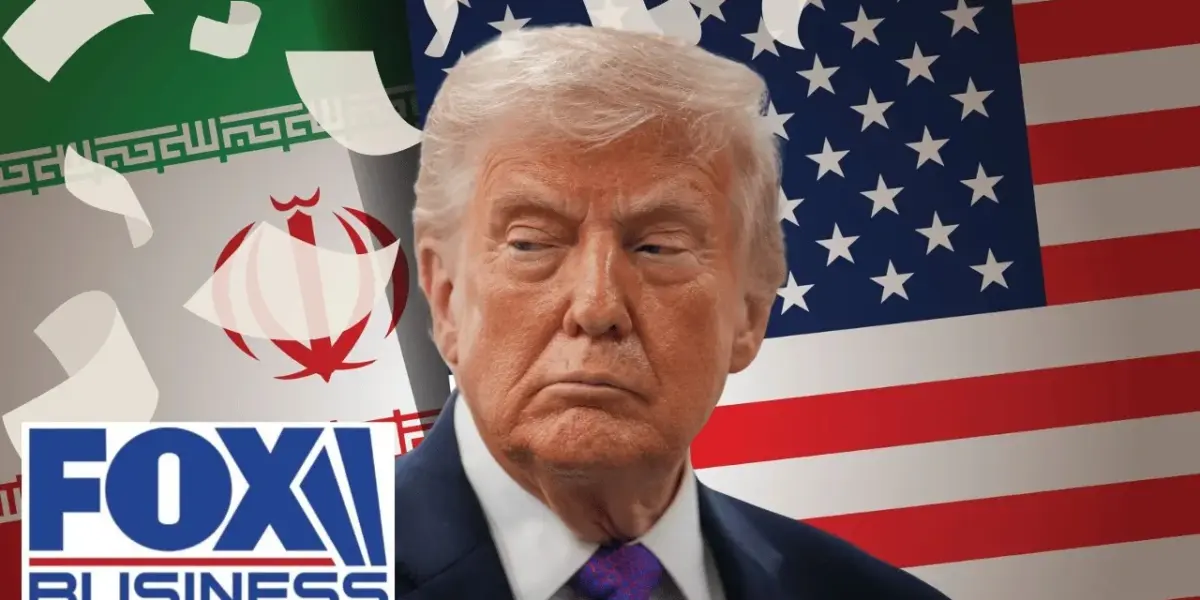
Trump’s Bold Move Disrupts Iran’s Oil Exports, Pressures China
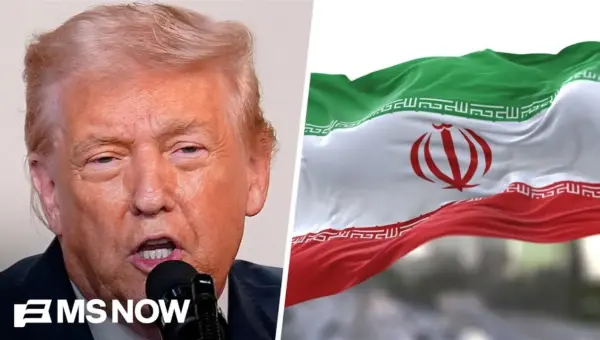
The United States is taking a firm stance against Iran, aiming to cripple its oil exports and missile programs. President Trump has signaled a departure from previous diplomatic approaches, stating he is unconcerned if Iran returns to the negotiating table. This strategy targets Iran’s military capabilities by depleting its missile reserves and hindering its manufacturing of drones and missiles.
Demands and Red Lines
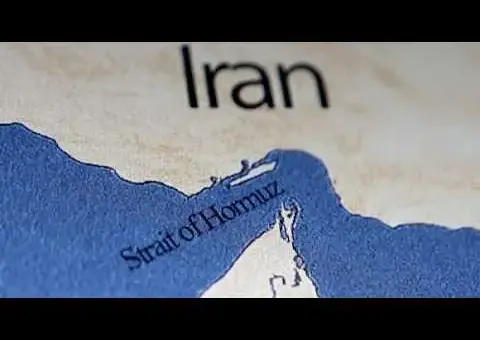
The administration has presented Iran with a lengthy list of demands, including an end to all nuclear enrichment. Key non-negotiable points are Iran’s pursuit of highly enriched uranium and its long-range missile program. Additionally, due to Iran’s actions regarding the Strait of Hormuz, the U.S. is now demanding the waterway be reopened.
Previously, Iran attempted to control tanker traffic through the Strait of Hormuz, suggesting a toll system for certain buyers like China and India. However, the U.S. has countered with a blockade strategy: either everyone can use the strait, or no one can. This approach is designed to exert maximum pressure on Iran’s key trading partners.
Impact on China and Global Oil
This new U.S. policy significantly impacts China, which relies on Iranian oil, often purchased at a discount, to fuel its economic growth. By blocking Iranian oil, the U.S. aims to disrupt China’s access to cheap energy, a critical component for its industrial and technological advancements, including its artificial intelligence initiatives. The U.S. is also encouraging countries to purchase American oil instead, albeit at full market price, offering an alternative to the risks associated with Middle Eastern oil supplies.
Diplomatic Maneuvers and Alliances
The administration’s diplomatic strategy includes presenting a united front. The decision to send Vice President Mike Pence, perceived as a skeptic of the Iran war, to lead a delegation was a calculated move. It signals to Iran that the U.S. administration is unified in its approach, countering Iran’s historical tactic of playing different factions within U.S. politics against each other.
The U.S. strategy aims to prevent a cycle of delayed negotiations and obfuscation by Iran, which could otherwise be used to advance its nuclear weapons programs.
European Politics and Economic Factors
In a related development, Viktor Orbán, a U.S. ally in Hungary, recently conceded defeat after 16 years in power. This event, while seemingly separate, highlights broader geopolitical dynamics. European nations are often characterized as being resistant to President Trump’s policies, sometimes described as having “Trump Derangement Syndrome.” In Hungary’s case, economic struggles and corruption allegations contributed to Orbán’s downfall, suggesting that domestic economic conditions can outweigh international political alignments.
Looking Ahead: U.S.-China Summit
With a summit between President Trump and Chinese President Xi Jinping scheduled in Beijing, the pressure on Iran is expected to intensify. Historically, major powers prioritize their own strategic interests. If China views the summit as beneficial for its trade relationship with the U.S., it may exert significant pressure on Iran in the coming days to ensure the meeting proceeds smoothly. This suggests that China could play a crucial role in de-escalating tensions or influencing Iran’s behavior leading up to the high-level talks.
Market Impact
The U.S. strategy to block Iranian oil exports and its implications for Chinese demand could lead to increased volatility in global oil prices. Countries dependent on Middle Eastern oil may face higher costs or seek alternative, potentially more expensive, sources. The broader geopolitical tensions also introduce uncertainty into international trade and energy markets. Investors should monitor developments in the Strait of Hormuz and U.S.-China trade relations closely.
What Investors Should Know
The shift in U.S. policy towards Iran represents a significant geopolitical development with potential economic consequences. The effectiveness of the blockade strategy will depend on global compliance and the response from key importers like China. Investors should consider how energy prices and international trade dynamics might be affected. The U.S. push for domestic energy production also presents opportunities and challenges for American energy companies.
Source: Trump BRILLIANTLY FLIPPED THE SCRIPT on Iran: KT McFarland (YouTube)

Related Articles
US Blockades Iran; Trump Threatens Naval Annihilation
The US has implemented a naval blockade on Iranian ports, with President Trump issuing a stark warning to destroy any Iranian ships that approach. This move significantly escalates tensions and is expected to impact global oil prices, particularly affecting Asian nations like China. The strategy aims to pressure Iran back to negotiations, but carries risks of wider conflict.
US Blockades Iran Ports: Economic Blow or Empty Threat?
The US has initiated a blockade of Iranian ports, aiming to cripple Iran's oil exports and economy. While ships traveling between non-Iranian ports are exempt, the move signifies a significant escalation. Analysts question its effectiveness and Iran's potential response.
Iran War Risk: US Action Could Backfire, Expert Warns
A former U.S. deputy national security advisor warns that American naval actions in the Strait of Hormuz could backfire, potentially hurting the U.S. more than Iran if the conflict prolongs. He also expressed doubts about the current administration's ability to conduct effective diplomacy with Iran.