US Navy Blockade of Iran: High Risk, Low Reward?
The US Navy's new blockade of Iranian ports faces scrutiny for its effectiveness and lack of international support, with analysts calling it a high-risk, low-reward strategy. Amidst diplomatic stalemates and potential Iranian countermeasures like naval mines, the situation remains tense.

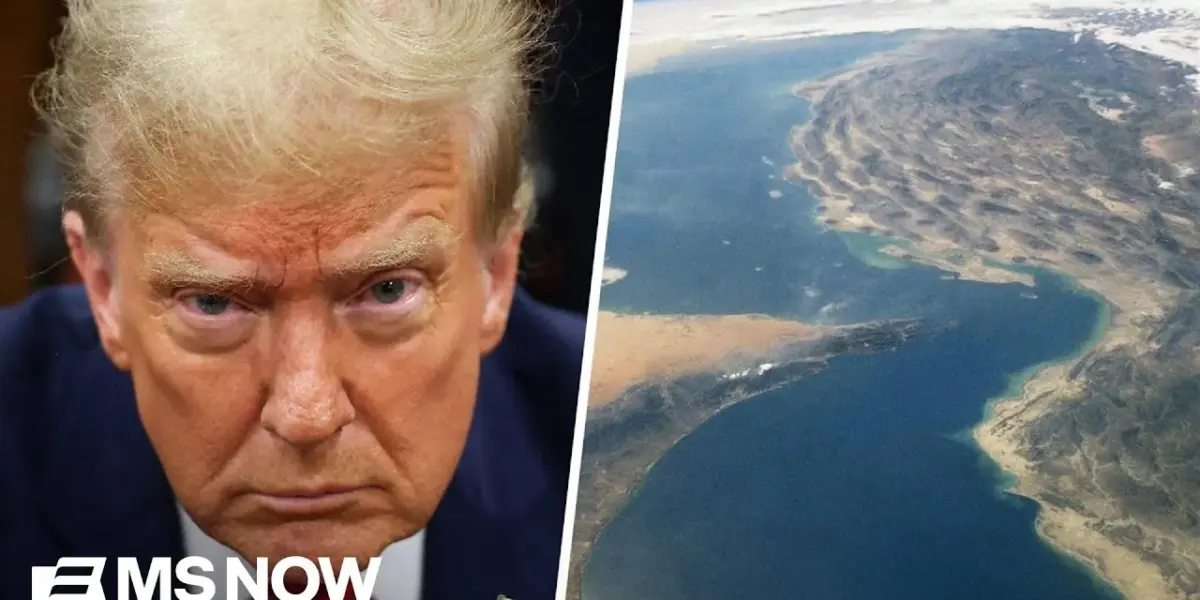
US Navy Blockade Raises Concerns Over Effectiveness and International Support
The United States Navy has implemented a blockade around Iranian ports and coastlines, a move aimed at restricting Iran’s naval activity. However, analysts are questioning the strategy’s effectiveness and the lack of international backing. This action comes amid ongoing tensions and complex diplomatic efforts between the US and Iran.
Logistics and Dangers of the Blockade
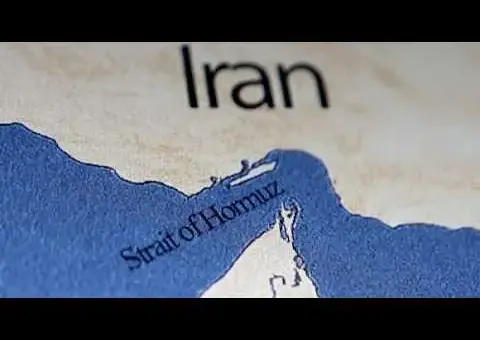
Initial plans by the US to blockade the entire Strait of Hormuz have been scaled back. The focus is now on naval activity near Iranian ports and coastlines, according to CENTCOM. There is also uncertainty about how the US Navy would handle international ships that have paid tolls to Iran to pass through the vital waterway. The blockade effectively began, but questions remain about how the US will physically prevent vessels, including oil tankers, from passing.
A significant concern is Iran’s potential use of naval mines. Experts suggest Iran possesses between 2,000 and 6,000 mines and may have already placed a dozen in the water. Identifying and avoiding these mines would be extremely dangerous for US Navy troops and could lead to an escalation of conflict if attacks occur in the waterway.
“Mines are crucial… if Iran has managed to mine the waterway… then of course, that’s incredibly dangerous and it’s very hard for the U.S. to avoid those mines if that’s the case.”
Questioning the Strategy: ‘America Alone’
Richard Stengel, a political analyst and former undersecretary of state, described the strategy as high-risk and low-reward. He pointed out that the Strait of Hormuz was already largely blockaded, with only a handful of ships getting through compared to previous numbers. The blockade, therefore, appears to be targeting an already restricted area.
Stengel also highlighted the lack of international support for the US policy. Despite President Trump’s statements that numerous nations would assist, zero countries have come forward. This isolation, he argues, alienates crucial allies like China, Turkey, and European nations, making it an example of “America First equals America Alone.”
“So it just seems like a high-risk, low-reward strategy.”
Diplomatic Stalemate and US Demands
Meanwhile, diplomatic efforts led by Vice President J.D. Vance, Jared Kushner, and Steve Whitkoff have yielded little progress. Both sides remain far apart on key issues, particularly Iran’s nuclear program. US officials have outlined several red lines for Iran, including ending all uranium enrichment, dismantling enrichment sites, and handing over enriched uranium.
Other demands include accepting a broader peace framework, ceasing support for terrorist proxies, and opening the Strait of Hormuz without tolls. The US administration has expressed frustration, with President Trump stating he doesn’t care if Iran returns to negotiations and warning the public about potentially high gas prices extending into November.
Potential for Escalation and Iranian Countermeasures
Iran has responded by threatening that no ports will be safe, suggesting a potential escalation. Analysts believe Iran-aligned Houthis could be drawn further into the conflict, potentially targeting other shipping choke points. Iran would likely welcome further attacks in the Gulf as a way to increase pressure.
Negotiations Continue Behind the Scenes
Despite the public posturing, some analysts believe the negotiations are not entirely dead. They suggest that both sides are using common negotiating tactics, and that a lack of a deal is worse for both. The US demands, while seemingly maximalist, may have creative solutions, such as allowing Iran the right to enrichment but suspending it temporarily.
Experts anticipate that a ceasefire might continue, with both sides returning to the negotiating table. Future talks might occur in Europe, possibly led by experts rather than high-level officials. Iran is reportedly already reaching out to countries like Turkey, Egypt, and Pakistan to prepare for further discussions.
China’s Role and Geopolitical Tensions
Adding another layer of complexity, China is reportedly preparing to send Iran new air defense systems, including shoulder-fired missiles. This move comes as China positions itself as a stable nation in contrast to perceived US chaos. President Trump has threatened 50% tariffs on China if it provides military assistance to Iran.
This development is seen as dangerous, especially on the eve of a potential trip by Trump to Beijing. The situation raises concerns about a global conflict between the US and China. Ironically, analysts note that the current administration might accept a deal similar to the one negotiated under the Obama administration, which successfully removed 98% of Iran’s enriched uranium and allowed for civilian enrichment levels.
Looking Ahead
The coming weeks will be critical in determining whether the US blockade leads to de-escalation or further conflict. The international community will be watching closely to see if diplomatic channels can be reopened and if a mutually acceptable agreement can be reached, especially given the complex interplay between US policy, Iranian responses, and China’s growing involvement.
Source: 'High risk, low reward strategy': Analyst reacts to U.S. naval blockade of Iran (YouTube)

Related Articles
US Blockades Iran; Trump Threatens Naval Annihilation
The US has implemented a naval blockade on Iranian ports, with President Trump issuing a stark warning to destroy any Iranian ships that approach. This move significantly escalates tensions and is expected to impact global oil prices, particularly affecting Asian nations like China. The strategy aims to pressure Iran back to negotiations, but carries risks of wider conflict.
US Blockades Iran Ports: Economic Blow or Empty Threat?
The US has initiated a blockade of Iranian ports, aiming to cripple Iran's oil exports and economy. While ships traveling between non-Iranian ports are exempt, the move signifies a significant escalation. Analysts question its effectiveness and Iran's potential response.
Iran War Risk: US Action Could Backfire, Expert Warns
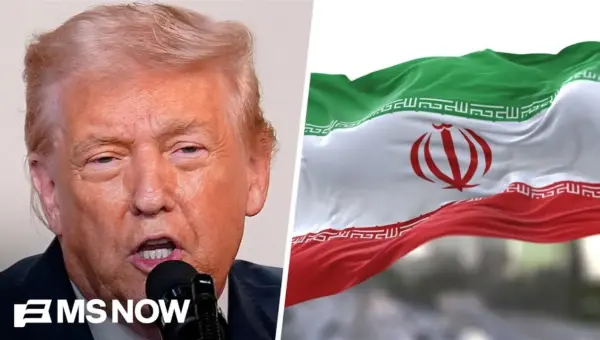
A former U.S. deputy national security advisor warns that American naval actions in the Strait of Hormuz could backfire, potentially hurting the U.S. more than Iran if the conflict prolongs. He also expressed doubts about the current administration's ability to conduct effective diplomacy with Iran.