Energy Giants Drain West Virginia’s Economy
West Virginia's economy is being systematically drained by powerful energy corporations, pushing businesses and residents toward bankruptcy. Skyrocketing electricity bills, driven by corporate greed and a lack of regulation, are crushing dreams and stifling growth in the nation's second-poorest state.

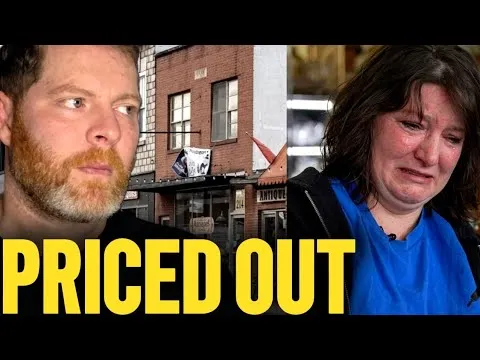
Power Bills Cripple West Virginia Businesses
Small businesses in West Virginia are struggling to survive as electricity bills skyrocket. One bakery owner had to increase rent for campers after realizing their income wasn’t enough to cover rising energy costs. This created tension with long-time residents who were used to lower prices.
Electric bills can reach $1,300 to $1,500 per month. West Virginia plans to rely on coal until at least 2040. People have no choice but to pay for electricity and water. Businesses are closing their doors because they can’t afford the energy costs.
West Virginia: A State Run by Corporations
The speaker expresses deep love for West Virginia but describes it as a place of widespread abuse and oppression. Resources are valued more than people. The state is not run by the government or its citizens, but by corporations. This has been the case for over a hundred years.
A 17% annual increase in power bills for grid maintenance is devastating for most West Virginians. The average household income after taxes is about $60,000, meaning families bring home around $4,000 per month. These constant price hikes, especially in poorer areas, crush dreams of owning a small business. Energy companies can increase rates, leaving people with few options.
Corporate Control and Exploitation
This situation is described as a “flawless corporate shakedown” of the state’s population. West Virginia is the second poorest state, and its problems stem from cartel-like behavior between government and corporations. The government has always been influenced by corporations, who threaten to leave if regulated. This leaves the government with no choice but to comply, as there are few other thriving industries.
This dynamic creates a desperate, low-wage workforce that companies exploit. They don’t want people to succeed with their own businesses; they want them to be renters and dependent. This cycle of poverty is passed down through generations.
Artists and Seniors Hit Hard by Energy Costs
A small art gallery owner, who has loved living in West Virginia, faces huge energy bills. Despite keeping the temperature low, their monthly electricity costs are $700-$800. This is more than their $600 rent for the 1,900 square foot space.
The gallery owner, a 71-year-old artist, asked the power company for assistance programs but was told none were available. The situation is compared to 100 years ago when workers were paid in fake script; now, energy companies take all the real money through high rates.
Data Centers and Future Insolvency
Rising energy costs nationwide are a major reason for the inflation crisis. The speaker mentions a national energy emergency and a call to “drill baby drill.” However, in West Virginia, the situation is dire for residents.
The construction of numerous data centers, including in West Virginia, will further increase energy demand. This will likely make the population functionally insolvent, as they will be unable to pay even higher energy bills. Government subsidies won’t be enough, forcing people into poverty or a life without reliable power.
“Unhinged Capitalism” and Lack of Alternatives
Companies like Appalachian Power can raise rates by 17% because they know people have no other energy options. Solar power is too expensive for most individuals and small businesses. This is presented as an example of “unhinged capitalism” where corporations act without morality.
The situation in West Virginia shows how rapacious unregulated capitalism can be. Corporations headquartered elsewhere, like in Manhattan or San Francisco, profit while West Virginia citizens are forced to subsidize a failing energy grid. This is likened to modern-day slavery.
Criticism of Political Rhetoric
The speaker criticizes the political focus on coal, noting that coal miners face health issues like black lung, lack clean water, and struggle to feed their families. Schools are closing, and electric bills are unaffordable. The speaker questions where the recognition and support are for these struggling citizens, contrasting it with awards given for supporting coal.
Despite promises of supporting coal, the speaker sees no evidence of new jobs or improved conditions. The current administration is criticized for not bringing tangible benefits to the region despite talk of digging for coal.
Corporations and Patriotism: A Dangerous Mix
The dynamic between corporate America and Appalachia is seen as exploitative. Corporations wrap coal dust in the American flag to gain public support, even as miners suffer from black lung disease. Elites use patriotism to justify a cheap, disposable workforce for industrial labor.
The working class is led to believe that risking their health and lives for corporate profits is a patriotic duty. This narrative suggests that serving the company is serving America. This propaganda convinces people that their sacrifice is noble, and questioning it leads to being labeled a communist.
Environmental Neglect and Corporate Greed
DuPont’s actions in Parkersburg, West Virginia, are cited as an example of environmental abuse. The company allegedly pumped C8 Teflon into the water, poisoning drinking water for thousands to protect billions in revenue. It was deemed cheaper to spend money on propaganda against the EPA than to install pollution controls.
Corporations exploit West Virginians because the state’s history is one of resource extraction and abuse. The state is described as a prison, with its citizens as both inmates and guards, victims and perpetuators of their own situation through cultural acceptance.
The Opioid Crisis as Another Form of Exploitation
The opioid crisis is presented not as a healthcare failure but as another way for Wall Street to extract wealth. After the mountains were depleted of resources, companies began to “strip mine” the people through addiction.
Towns like Kermit, West Virginia, were flooded with millions of hydrocodone pills, an average of 22,500 pills per person. This addiction crisis is seen as an evolution of the same oppression that has existed since the 1800s, continuing the abuse when other economic avenues closed.
Corporate Rule: A Warning for the Nation
What is happening in West Virginia is a warning sign for the entire country. It illustrates the dangers of allowing corporations to effectively become the government. Corporations prioritize profit and shareholder value over the well-being of families and communities.
This mirrors the experience of veterans, who are often honored with applause during election seasons but neglected afterward. Similarly, politicians may talk about coal miners and the economy during elections, only to gut regulations protecting families afterward. The propaganda machine convinces people to support policies that ultimately harm them.
A Call for Change: Clean Energy and Decentralization
West Virginia needs to embrace its identity and move away from corporate control. The state should transition to clean, renewable energy, despite its history as a coal capital. The current energy system makes it impossible for citizens to afford the very resources they extract.
A decentralized, off-grid, local energy network is proposed. This would prevent utility monopolies from bankrupting local businesses. The system views people as disposable, requiring them to take action and not rely on a government that is seen as predatory.
Breaking the Cycle of Oppression
The people of West Virginia are trapped in a cycle of generational poverty and corporate exploitation. Propaganda conflates corporate interests with patriotism, leading people to believe that sacrificing their health and well-being for corporate profits is honorable.
Breaking this cycle requires self-awareness and a rejection of this manufactured reality. The speaker, who has deep ties to West Virginia, hopes for a better future for its people, urging them to remember their strength and fight against the forces that have oppressed them for generations.
Source: Power Companies Are Bankrupting Small Town America (YouTube)

Related Articles


Elite “Games” on Iran Bets Spark Outrage Amid Economic Hardship
A new report exposes how insiders may be profiting from suspicious trading and prediction markets, particularly concerning events related to Iran. This occurs while many Americans face economic hardship, leading to outrage over alleged "games" played with people's lives and livelihoods.
China’s Economy Struggles as Oil Prices Soar
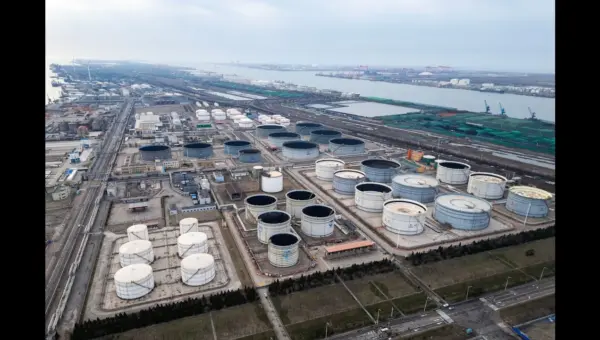
Rising global oil prices are creating significant challenges for China's economy. Increased costs for transportation and energy are straining businesses and consumers, leading to worries about job losses and higher prices for everyday goods.

Gas Prices Surge 65% Year-to-Date, Fueling Consumer Fears
Consumer sentiment is rattled by a 65% year-to-date surge in gasoline prices and rising inflation expectations. Major companies like Amazon are implementing fuel surcharges due to elevated costs. Geopolitical tensions and fears over AI's impact on jobs also contribute to widespread consumer anxiety.