Iran Conflict Escalates: Trump’s Aggression Fuels Global Unease
Recent talks between the U.S. and Iran have failed, escalating tensions. Despite military actions, Iran's capabilities remain a threat, and the goal of regime change appears distant. The unpredictable nature of President Trump's foreign policy adds to global unease.

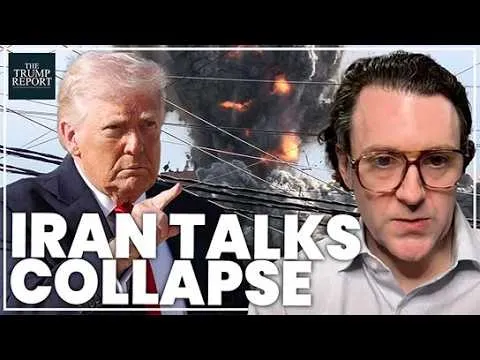
Iran Conflict Escalates: Trump’s Aggression Fuels Global Unease
Talks between the United States and Iran aimed at easing tensions have collapsed, raising fears of a wider conflict. The discussions, held in Pakistan and lasting nearly a full day, failed to produce any agreement. Both sides left the table with no new talks planned, leaving the situation more uncertain than before.
Key Demands Left Unmet
The core issues at the heart of the dispute remain deeply divided. The U.S. wants Iran to stop enriching uranium and shut down its nuclear facilities. They also demand Iran stop supporting groups like Hezbollah and Hamas. Iran, however, sees its regional influence as a key bargaining chip it won’t give up. They also want guarantees from the U.S. before making any concessions, while the U.S. wants concessions first.
A ‘Wounded Tiger’ Still Dangerous
Michael Weiss, an investigative journalist, described Iran as a “wounded tiger.” Despite significant military action, including thousands of air strikes and attacks on its leadership, Iran’s missile program is not completely destroyed. U.S. intelligence suggests Iran still has a substantial number of missiles left. Military objectives set by U.S. leaders have not been fully met, even though President Trump has claimed victory.
“The military operational objectives of this thing, as laid out by General Kaine, chairman of the Joint Chiefs, not any of them has been 100% satisfied as of yet.”
Trump has also expressed frustration with allies who he feels aren’t contributing enough to military operations. The U.S. is essentially imposing a naval blockade on Iran’s own blockade of the Strait of Hormuz. This action carries a high risk of escalating the conflict further. Iran, though its navy is weakened, still possesses fast boats capable of harassing ships passing through the Strait. They have also used mines in the past. Any incident, like an attack on a U.S. warship, could quickly reignite the conflict.
Regime Change: A Shifting Goal?
The idea of regime change in Iran, once a prominent goal, seems to have faded. While U.S. and Israeli intelligence may have believed that Iran was on the verge of collapse, experts suggest that true regime change—ending the Islamic Republic and dismantling the powerful IRGC—is unlikely. The new supreme leader is seen as a product of the IRGC, suggesting continued influence from this powerful military and security organization.
The current Iranian negotiating team, led by figures like Gholamali Ghalibaf, is not seen as a moderate force. Ghalibaf has a history of involvement with paramilitary forces and suppressing protests. Despite this, Iran does not see itself as defeated. They believe they have successfully navigated the crisis, even as their actions have targeted neighboring Gulf Arab states. These states, which had urged caution on war, are now reportedly pushing for a stronger U.S. military presence.
Escalation and Uncertainty
President Trump has consistently threatened further action, including air strikes and naval blockades. While he has sometimes backed down from threats of military force in the past, his actions regarding Iran suggest a different approach. The U.S. military presence in the region has increased, not decreased, despite Iranian demands for a pull-back.
The situation is complicated by internal U.S. politics. Some Democrats have called for invoking the 25th Amendment, suggesting Trump’s rhetoric and actions pose a danger to national security. However, as Michael Weiss points out, Trump’s behavior is not new. His past actions, including mocking journalists and making controversial statements about fallen soldiers, have long been a subject of concern. Invoking the 25th Amendment would require significant support from the Republican party, which has largely remained loyal to Trump.
Why This Matters
The ongoing conflict with Iran has significant global implications. The Strait of Hormuz is a critical chokepoint for global oil supplies, and any disruption could lead to price spikes and economic instability worldwide. The escalating tensions also risk drawing other regional powers into the conflict, potentially leading to a much larger and more devastating war. The unpredictable nature of President Trump’s decision-making adds another layer of uncertainty, making it difficult to foresee the long-term outcome.
Trends and Future Outlook
The current trend suggests a continuation of a high-stakes standoff rather than a diplomatic resolution. The U.S. military’s operational objectives in Iran have not been fully met, and Iran’s ability to project power through proxies and harass shipping remains a significant concern. The lack of international consensus, particularly among U.S. allies, makes sustained military operations more challenging and potentially more costly. It is likely that the U.S. will continue to engage in a strategy of “mowing the lawn”—periodically striking strategic targets as they arise—rather than pursuing a decisive military victory or a negotiated settlement.
Historical Context
The current tensions between the U.S. and Iran are rooted in decades of animosity dating back to the 1979 Iranian Revolution. The IRGC, in particular, has been responsible for a significant number of American deaths in the region, making it a long-standing target for U.S. foreign policy. Previous administrations have attempted various strategies, including economic sanctions and diplomatic engagement, to curb Iran’s influence and nuclear ambitions, with limited success. President Trump’s approach, characterized by aggressive rhetoric and a willingness to escalate military action, represents a departure from some of these past strategies, though the underlying goals remain similar.
Source: Trump’s ‘always’ been unhinged — Iran war chaos fuels removal calls | Michael Weiss (YouTube)

Related Articles


US Blocks Iran Ports Amid Escalating Tensions, Oil Prices Surge
President Trump announced a U.S. military blockade on Iranian ports, escalating tensions after peace talks failed. The move sent oil prices soaring above $100 a barrel. Meanwhile, Congressman Eric Swalwell suspended his California gubernatorial campaign amid sexual misconduct allegations, and the Artemis II astronauts returned safely from their historic moon mission.

YouTube Channel Faces View Slump, Creator Explores New Direction
A popular geopolitical YouTube channel is experiencing a significant drop in viewership, prompting the creator to experiment with new content formats like food vlogs and consider a major channel overhaul. With a two-month evaluation period set, the future direction of the channel hangs in the balance as the creator seeks to re-engage audiences and maintain relevance.


Trump Discusses Tax Bill Savings with Supporters
Former President Donald Trump recently discussed the financial benefits of his tax legislation, calling it the "Great Big Beautiful Bill." He highlighted individual savings of $11,000 and emphasized that taxes on tips were eliminated. The conversation occurred during an informal interaction with supporters.