Drone Strikes Reshape Warfare: The Most Devastating Attacks
From the battlefield to global trade routes, drone strikes have dramatically reshaped modern conflict and international relations. This article explores ten of the most impactful drone attacks, revealing their devastating consequences and lasting influence on warfare and global security.


Drones Unleash Devastation: A Look at 10 Critical Drone Strikes
The sky is no longer a safe haven. In a stunning admission, the Pentagon revealed that a drone strike in Kabul during the chaotic Afghanistan withdrawal hit civilians, not ISIS-K fighters. This event highlights the growing power and terrifying impact of drone warfare, a technology that allows for immense destruction at a relatively low cost. This article examines ten of the most devastating drone attacks, looking at the destruction they caused, their impact on world events, and their historical significance.
Mercer Street Tanker Attack (2021): A Threat to Global Trade
In July 2021, the commercial tanker Mercer Street, linked to Israeli ownership, was struck by an explosive drone in the Gulf of Oman. The attack, which occurred off the coast of Masirah Island, tragically claimed the lives of two crew members, one British and one Romanian. This incident was not just an attack on a vessel, but a dangerous escalation that blurred the lines between war zones and vital global trade routes. While Iran was accused of orchestrating the strike, they denied responsibility. The Mercer Street attack demonstrated how drones have expanded their reach beyond traditional battlefields, posing a threat to international shipping and economic security.
Anwar al-Awlaki Killing (2011): The Ethics of Targeting Citizens
Anwar al-Awlaki, an American-born cleric linked to al-Qaeda, became the target of a CIA drone strike in Yemen in September 2011. US intelligence believed al-Awlaki was hiding in a remote compound. Al-Awlaki was more than just a militant; he was a key propagandist and recruiter for al-Qaeda, responsible for radicalizing individuals globally. His death marked the first known US drone strike to intentionally target an American citizen. This event sparked a significant legal and ethical debate, with critics questioning the government’s authority to execute its own citizens without trial. Despite the controversy, al-Awlaki’s death was seen as a major blow to extremist networks.
Russian Air Attacks on Ukraine (2025): Cold Warfare from the Sky
In October 2025, amidst stalled peace talks, Russia launched a massive aerial assault on Ukraine, including drone strikes, aircraft, and ballistic missiles. This attack intensified the pressure on the Ukrainian population, especially as winter approached. The strikes targeted essential power plants, leaving hundreds of thousands of Ukrainians without heat or running water. This event underscored the devastating consequences of drone warfare, not only for lives lost but also for the civilian populations left to cope with destroyed infrastructure and harsh conditions.
Armenian-Azerbaijan Conflict (2020): The Dawn of Drone Warfare
The 2020 Nagorno-Karabakh conflict saw Azerbaijan deploy Turkish-made Bayraktar TB2 drones with devastating effect. Instead of relying on traditional tank offenses or infantry assaults, Azerbaijan utilized precise drone strikes to decimate Armenian military convoys and defense systems. Military analysts dubbed this conflict the first true drone war, as Azerbaijan’s rapid territorial gains proved the efficiency of drones as a substitute for air superiority. This campaign prompted militaries worldwide to re-evaluate their reliance on traditional armor and invest heavily in drone technology.
Houthi Attack on Yemen Military Parade (2019): Non-State Actors Strike Back
In January 2019, a drone loaded with explosives detonated over a military parade at Al-Anad Air Base in Yemen, killing over 30 people, including soldiers and injuring several top military commanders. The true shock was that a non-state group, the Houthis, carried out this sophisticated attack. This event demonstrated that even irregular forces could execute precision strikes, a capability previously reserved for powerful nations. The attack, broadcast live, sent a chilling message about the increasing accessibility of drone warfare.
Yemen Wedding Party Strike (2013): Tragic Errors in Remote Warfare
In December 2013, a US drone mistakenly identified a rural wedding procession in Yemen as an insurgent convoy. The tragic result was the deaths of 12 men and injuries to 15 others. This incident became a stark symbol of the risks involved in remote warfare. While no soldiers were harmed, families were shattered. The strike ignited international debate over accountability, rules of engagement, and the reliability of intelligence, highlighting that while drones protect pilots, they don’t eliminate the consequences of human error.
Mullah Mansour Elimination (2016): Extending Reach Beyond Borders
In May 2016, the US military conducted a drone strike in Pakistan’s Balochistan province, eliminating Afghan Taliban leader Mullah Akhtar Mansour. This bold move, in a politically sensitive area, left a void within the insurgent group. Supporters hailed the action as a major counterterrorism victory, while critics warned of potential destabilization and disruption of peace talks. The operation showcased how drones could extend a nation’s reach far beyond its borders, influencing the political landscape of insurgent networks.
Kabul Drone Strike Civilian Casualties (2021): A Tragic Final Act
As US troops withdrew from Afghanistan in 2021, a US drone strike in Kabul, initially targeting a suspected ISIS operative, ended in tragedy. Ten civilians, including seven children, were killed when a humanitarian worker’s vehicle was misidentified. The Pentagon later called it a terrible mistake. This incident, the last strike carried out by US forces in Afghanistan, reignited urgent scrutiny over drone accuracy, intelligence limitations, and the moral responsibilities of remote warfare, leaving a somber legacy for many Afghans.
Qassem Soleimani Assassination (2020): A Geopolitical Earthquake
On January 3, 2020, a US drone strike outside Baghdad International Airport assassinated General Qassem Soleimani, a powerful figure in Iran and commander of its elite Quds Force. Soleimani orchestrated regional operations and was considered the second most powerful man in Iran. His death removed a central geopolitical actor and triggered a significant response from Iran, including missile strikes on bases housing US troops. This single drone-fired missile sent shockwaves through the region, escalating tensions and profoundly impacting international diplomacy.
Saudi Aramco Oil Facilities Attack (2019): Striking the Global Economy
In September 2019, coordinated drone and cruise missile attacks struck Saudi Arabia’s Abqaiq and Khurais oil facilities, critical to global crude production. The strike crippled production, slashing Saudi output by 50%, impacting 5% of the world’s total crude supply overnight. Global markets panicked, oil prices spiked, and energy security became a major international concern. While responsibility was debated, analysts pointed to Houthi rebels with external support. This attack demonstrated that drones could be used not just against military targets, but to strike at the heart of the global economy.
Source: 10 Most Devastating Drone Attacks (YouTube)

Related Articles


YouTube Channel Faces View Slump, Creator Explores New Direction
A popular geopolitical YouTube channel is experiencing a significant drop in viewership, prompting the creator to experiment with new content formats like food vlogs and consider a major channel overhaul. With a two-month evaluation period set, the future direction of the channel hangs in the balance as the creator seeks to re-engage audiences and maintain relevance.
Ukraine Strikes Cripple Russian Oil Refineries
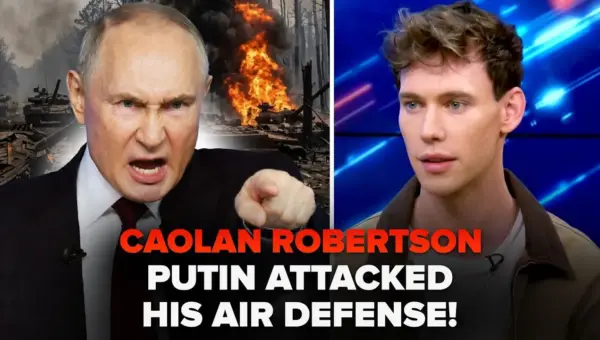
Ukraine's sustained drone strikes have crippled nearly half of Russia's oil refining capacity, striking a major blow to Moscow's war funding. The campaign highlights the growing vulnerability of Russia's vast territory and strained air defenses. The article also examines concerns about increasing Russian influence and democratic backsliding in Hungary.

US Warships Blockade Hormuz Strait; Iran Threatens Escalation
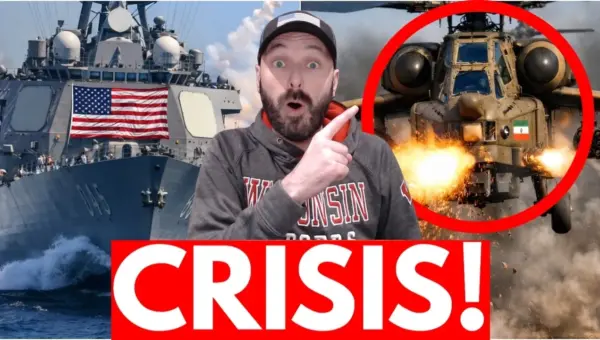
The U.S. has initiated a blockade of the Strait of Hormuz, deploying warships and helicopters. President Trump announced ships leaving Iranian ports would be stopped and boarded, escalating tensions. Iran has responded by calling the blockade illegal and threatening to control the strait themselves.