Ukraine Strikes Russian Oil Hubs, Weakening Putin’s Grip
Ukraine's intensified drone strikes on Russian oil infrastructure are costing Moscow billions and straining its air defenses. Analysts suggest this marks a strategic shift, potentially weakening Putin's grip and favoring Ukraine on the battlefield. Russia's ability to protect key assets appears compromised, leading to speculation about its focus shifting to leadership protection.

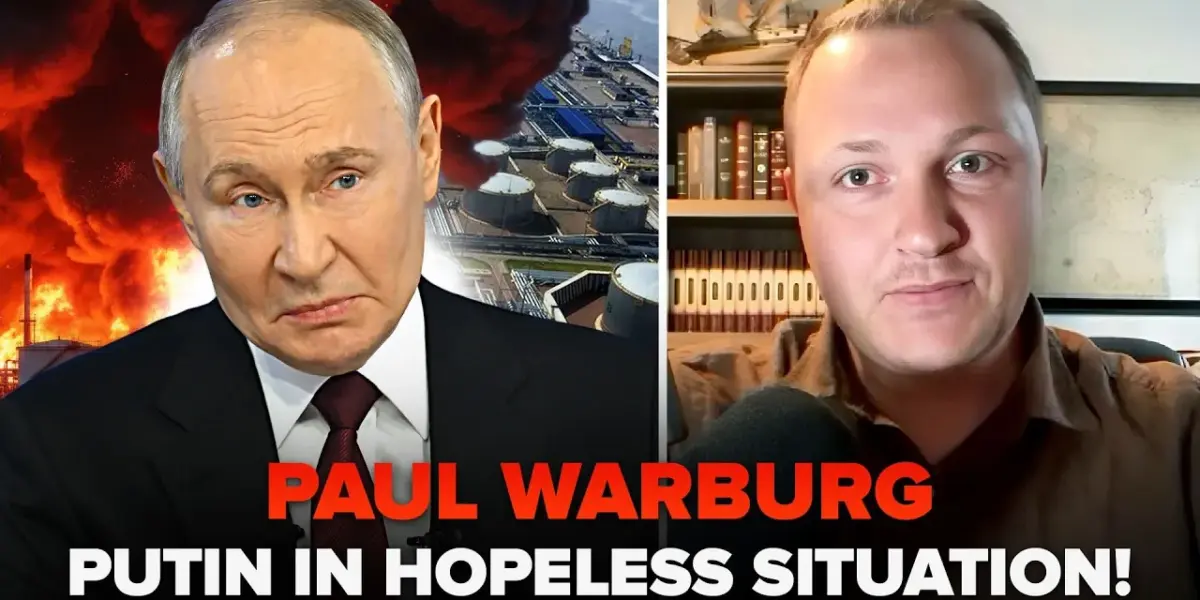
Ukraine Intensifies Drone Strikes on Russian Energy Infrastructure
Ukraine has dramatically escalated its long-range drone campaign against Russia, launching more strikes in recent months than Russia itself did in March 2026. This surge in Ukrainian operations has targeted critical Russian energy infrastructure, notably oil ports and terminals. The Financial Times reports that these strikes have already cost Russia approximately $1 billion in lost oil revenue, signaling a significant shift in the conflict’s dynamics.
Russia’s Air Defense Strained by Persistent Ukrainian Attacks
Military analysts suggest that Russia’s air defense systems are reaching a breaking point. While Russia can still intercept some incoming threats, the sheer volume and reach of Ukrainian drone attacks are creating widespread gaps. This forces Russian forces to make difficult choices about what to protect, indicating a potential inability to fully defend key strategic assets like oil ports.
Paul Warborg, an analyst and YouTuber, commented on the situation, stating, “Eventually, you do reach a breaking point where even though you can still shoot down some things, there’s just gaps all over the place and you have to pick and choose what you protect.” He added that Russia appears to have reached a point where “they just don’t have the capabilities remaining to do it, at least not to fully prevent Ukrainian strikes from getting through.”
Strategic Implications of Targeting Oil Revenue
The attacks on oil terminals represent a calculated strategy by Ukraine to disrupt Russia’s primary source of income. By preventing Russia from exporting oil, Ukraine aims to cripple its war-fighting capacity. This approach targets a “single point of failure” in Russia’s economy, regardless of global oil prices.
Warborg noted, “Ukraine would do exactly what they’re doing now where it doesn’t matter what the price of oil is if Russia can’t export, if they can’t actually load it onto the ships.” He highlighted these oil terminals as a critical vulnerability that Ukraine can continuously exploit.
A Shift in Ukrainian Strategy and Confidence
This intensified offensive is seen by some analysts as a sign of growing Ukrainian confidence and independence from Western partners. While Ukraine values international support, its willingness to risk potential pressure by executing these strikes suggests a belief in its own capabilities to inflict significant damage on Russia.
“This indicates a level of confidence from Ukraine where of course you guys want support from Western partners, but you’re also willing to risk losing it because you’re confident that you can handle this on your own,” Warborg explained.
Innovation in Drone Warfare
Ukraine’s success is partly attributed to its innovation in drone warfare. The country has developed effective counter-drone measures, using less expensive interceptor drones to counter incoming threats. This contrasts with Russia’s reliance on costly air defense missiles and systems, which are being depleted over time.
The conflict has seen Ukraine expand its drone warfare capabilities, striking targets thousands of kilometers deep inside Russia, including naval assets. A Russian frigate was reportedly damaged by Ukrainian drones, further highlighting the evolving nature of the battlefield.
Russia’s Air Defense Attrition
The persistent Ukrainian strikes are believed to be attriting Russia’s air defense capabilities. This is a long-term effect of sustained warfare, similar to how other nations have struggled to defend against drone attacks. Russia’s air defense network, like any complex system, is showing signs of strain under continuous pressure.
Warborg drew a parallel to the U.S. experience in the Iran war, noting that even with advanced systems like Patriots, intercepting drones is expensive and depletes limited stockpiles. Russia, having endured years of attritional warfare, is further along in this process, leading to vulnerabilities.
Focus on Protecting Leadership
Speculation suggests that Russia may be prioritizing the defense of its leadership, including Moscow and potentially President Putin, with its remaining air defense assets. This could mean fewer resources are allocated to protecting strategic military targets or infrastructure further from the capital.
“I would speculate it means that Moscow is focused more on protecting itself and Vladimir Putin, for example, with their limited air defense systems than they are on the more strategic military targets,” Warborg stated. “And that’s a big change in the war potentially.”
Ceasefire Offers and Strategic Calculations
Recent offers of short-term ceasefires for Orthodox Easter have been met with skepticism. Historically, such ceasefires have not held, and their sincerity is often questioned. Russia’s declaration of a 32-hour ceasefire, following an offer from Ukrainian President Zelenskyy, is viewed by some as a strategic move to align with religious sentiment rather than a genuine desire for peace.
Warborg expressed doubt about the effectiveness of these short-term truces, stating, “I don’t think any of them have ever panned out.” He added that the damage inflicted on Russia’s air defense systems will take far longer to repair than any temporary ceasefire.
Favorable Conditions for Ukraine
According to Ukrainian and British intelligence, the current situation on the front lines is the most favorable for Ukraine in the past ten months. This improved battlefield position is attributed to a combination of factors:
- Russia’s attrition strategy versus Ukraine’s focus on innovation.
- Ukraine’s development of long-range strike capabilities.
- Disruptions to Russian communications, such as issues with Telegram and Starlink.
- Ukraine’s enhanced defensive capabilities, freeing up drone units for offensive operations.
- The potential future integration of ground robotics into Ukrainian operations.
Russia’s Strategic Dilemma
From an external perspective, Russia’s continued prosecution of the war is increasingly questioned, especially given the lack of significant territorial gains. The demographic impact on Russian society and the potential for internal instability are also significant concerns.
The analyst suggested a grim theory: “Putin knows all of this and he realizes he can no longer solve that problem. He can no longer protect and save his country. So now what he wants to do is actually just eliminate as many young Russians as possible to prevent people from being able to actually rise up and overthrow him.”
Control of Information and Potential Mobilization
The crackdown on social media platforms like Telegram in Russia is seen as a potential precursor to further mobilization or a move to control the narrative around unfavorable peace terms. President Zelenskyy has suggested these actions could be preparations for a wider conscription drive, given Russia’s reported soldier shortages.
Warborg advised Ukraine to prepare for worst-case scenarios, stating, “It would match everything we’ve seen from Putin up to this point in the war. He has been terrified of conducting conscription because I think he knows that it’s a threat to his power.”
Uncertainty of Russian Victory
The prevailing view among analysts is that Russia faces significant challenges in achieving a decisive victory. Even if Russia were to achieve a nominal win, the long-term costs, including demographic decline and societal impact, suggest a strategic loss.
“I don’t think that Russia can win by taking a large portion of Ukrainian territory,” Warborg concluded. “So in that sense, Russia has lost too. And so the entire war makes no sense.” The psychology of a leader like Putin, driven by pride and a fear of losing power, is seen as a key factor in the war’s continuation, potentially leading to a protracted conflict or an endgame dictated by internal pressures rather than battlefield outcomes.
Source: 💥Russia’s energy core DEVASTATED! Putin’s grip starts SLIPPING @WorldatStake24 (YouTube)

Related Articles


Iran War Risk: US Action Could Backfire, Expert Warns
A former U.S. deputy national security advisor warns that American naval actions in the Strait of Hormuz could backfire, potentially hurting the U.S. more than Iran if the conflict prolongs. He also expressed doubts about the current administration's ability to conduct effective diplomacy with Iran.

YouTube Channel Faces View Slump, Creator Explores New Direction
A popular geopolitical YouTube channel is experiencing a significant drop in viewership, prompting the creator to experiment with new content formats like food vlogs and consider a major channel overhaul. With a two-month evaluation period set, the future direction of the channel hangs in the balance as the creator seeks to re-engage audiences and maintain relevance.
Ukraine Strikes Cripple Russian Oil Refineries
Ukraine's sustained drone strikes have crippled nearly half of Russia's oil refining capacity, striking a major blow to Moscow's war funding. The campaign highlights the growing vulnerability of Russia's vast territory and strained air defenses. The article also examines concerns about increasing Russian influence and democratic backsliding in Hungary.