US Blocks Iran’s Revenue Flow Amid Peace Talks Failure
The U.S. has implemented a blockade on the Strait of Hormuz following failed peace talks with Iran. President Trump aims to cut off Iran's revenue and prevent its nuclear ambitions. Senator Bill Hagerty discussed the geopolitical implications and the U.S.'s economic pressure campaign.

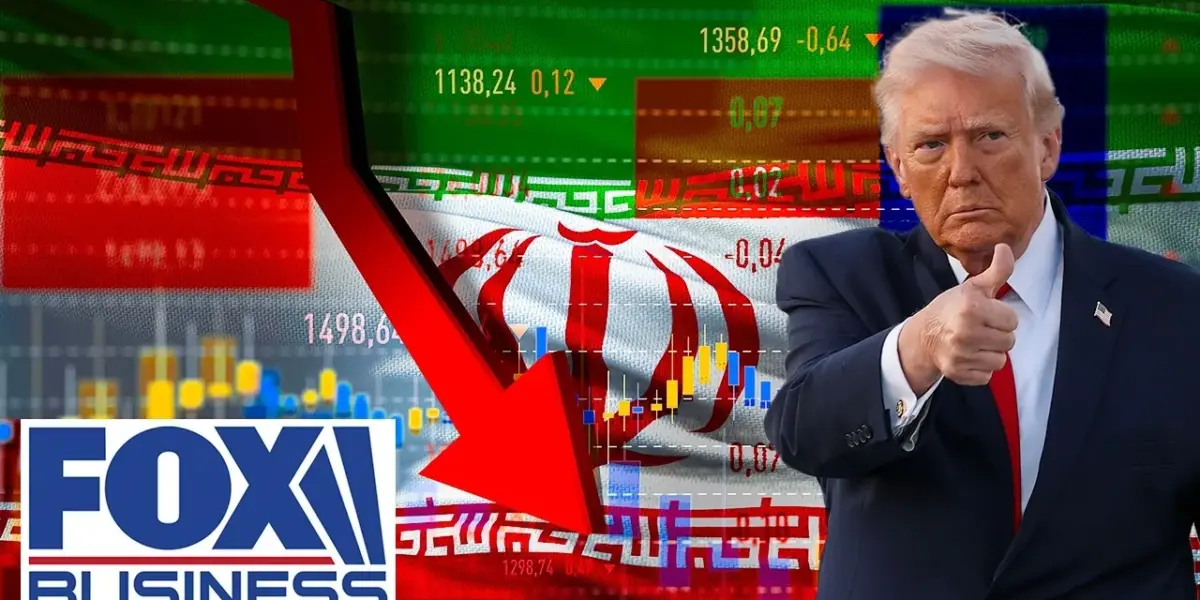
US Imposes Blockade on Iran’s Key Oil Route
The United States has implemented a significant economic measure, blocking the Strait of Hormuz to choke off Iran’s revenue streams. This action follows the collapse of peace talks between the U.S. and Iran, which recently concluded without resolution in Pakistan. The Strait of Hormuz is a critical global waterway, vital for oil and gas shipments. Supertankers typically transit this area to transport energy resources.
President Trump Details Stance on Iran’s Nuclear Ambitions
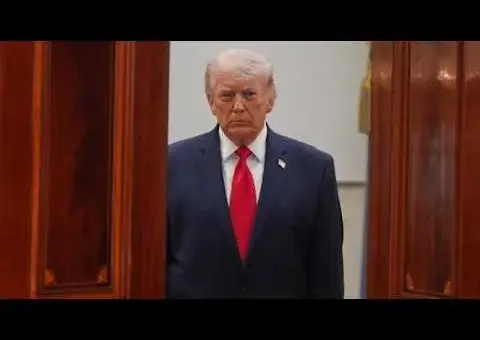
President Trump, in a recent interview, emphasized the U.S. commitment to preventing Iran from acquiring nuclear weapons. He stated, “They want to have nuclear weapons. They’re not going to have nuclear weapons.” This has been a long-standing position, even predating his political career. The President described the recent peace talks as starting from a position of weakness by the Iranian side, suggesting their military and overall standing are significantly diminished. He expressed confidence that Iran would eventually return to negotiations and agree to U.S. demands, aiming for a complete resolution rather than partial concessions.
VP Vance Presents Final Offer to Iran
Vice President J.D. Vance has put forth what is being called a final offer to Iran. This proposal includes several key demands, such as ending uranium enrichment activities. It also calls for Iran to cease funding groups like Hamas, Hezbollah, and the Houthis. A crucial part of the offer involves Iran stopping the collection of tolls from supertankers passing through the Strait of Hormuz.
Russia Offers to Manage Iran’s Enriched Uranium
In a surprising development, Russia has indicated a willingness to take Iran’s enriched uranium as part of a potential future peace agreement. A Kremlin spokesperson stated that President Putin had discussed this proposal with both the U.S. and regional nations. While the offer remains on the table, it has not yet been acted upon.
Senator Hagerty Discusses Geopolitical Implications
Senator Bill Hagerty, a member of the Senate Foreign Relations Committee, weighed in on the escalating situation. He views Russia’s offer as a positive step, showing other nations are attempting to mediate. Senator Hagerty highlighted the global impact of the Iranian regime’s actions, noting the concerning alliance between Russia, China, North Korea, and Iran. He believes the current U.S. approach signifies a different and more assertive negotiating style compared to previous administrations.
“President Trump will not do that. The Iranians tried that old play again this weekend. J.D. Vance stood strong, and President Trump is doubling back on them, shutting them down, blockading the Iranians and cutting off all revenue at this point.”
Senator Bill Hagerty
He contrasted the current situation with the Obama administration’s nuclear deal negotiations, where, he claims, Iran received concessions that allowed them to pursue nuclear ambitions. Senator Hagerty believes Iran is now realizing the seriousness of the situation and is awaiting their response to Vice President Vance’s latest offer.
Economic Warfare as the Next Front
The conversation also touched upon the possibility of economic pressure being the next major front in the conflict. Despite current oil prices, the President intends to continue a campaign of maximum pressure on Iran’s economy. Senator Hagerty recalled his time as U.S. Ambassador to Japan, where he worked to persuade the Japanese government to stop buying Iranian crude oil. He suggested that past interventions by figures like John Kerry may have inadvertently encouraged Iran to delay negotiations, leading to increased funding for their activities under subsequent administrations.
Allies’ Stance on Strait of Hormuz Operations
Regarding allies’ reluctance to participate in U.S. efforts in the Strait of Hormuz, Senator Hagerty stressed the need for global support. He argued that nations like Japan and South Korea are more impacted by Iran’s actions than the U.S. is. He believes President Trump’s efforts are aimed at global stability and that the world should support this initiative, especially since Iran has a history of threatening to close the Strait.
Reconciliation Bill and Budgetary Matters
Senator Hagerty also discussed the ongoing reconciliation process in the Senate, which allows legislation to pass with a simple majority, bypassing the need for Democrat votes. He indicated that Republicans are working on a reconciliation bill tied to the budget, aiming to address issues like the Department of Homeland Security’s funding. He expressed frustration with the Democrats’ lack of cooperation, which he believes has contributed to the current stalemate.
Federal Reserve Chairman Confirmation
The discussion shifted to the confirmation hearing for Kevin Warsh, a candidate for Chairman of the Federal Reserve. Senator Hagerty acknowledged potential delays due to paperwork, including financial disclosures. He stressed the importance of holding the hearing promptly to ensure a smooth transition, as Jay Powell’s term is set to expire. He noted that Warsh has prior Senate confirmation and has been meeting with senators across the aisle. Warsh’s focus on productivity, private credit, and returning the Fed to its core mission, away from issues like climate change and DEI, was highlighted as beneficial for economic growth.
Artificial Intelligence and Banking Sector Vulnerabilities
Finally, the conversation addressed the emerging concerns around Artificial Intelligence (AI) within the banking sector. Treasury Secretary Scott Bessent reportedly held an emergency meeting with major banks and Federal Reserve Chair Jay Powell to discuss potential vulnerabilities related to agentic AI. The leak of Claude’s source code was mentioned as a factor raising these concerns. Senator Hagerty supported Secretary Bessent’s proactive approach, emphasizing the need to use AI effectively while identifying and mitigating risks. He cautioned against overly restrictive regulations that could stifle innovation, particularly in comparison to other nations like China, stressing the importance of U.S. leadership in AI development. He agreed that guardrails are necessary but should not be so prescriptive as to harm the industry.
Source: 'ALL REVENUE': Blockade aims to CHOKE Iran’s economy at its core (YouTube)

Related Articles
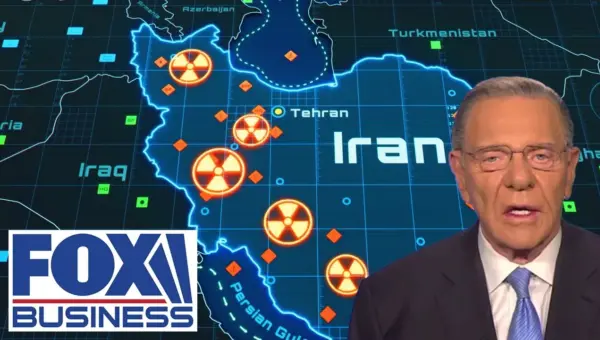
Iran Oil Blockade Hits Exports, Negotiations Stall
The U.S. has implemented a blockade halting Iran's oil exports, significantly impacting its revenue. Negotiations have collapsed, and Iran faces limited options. This geopolitical move could lead to market volatility, particularly in oil prices.

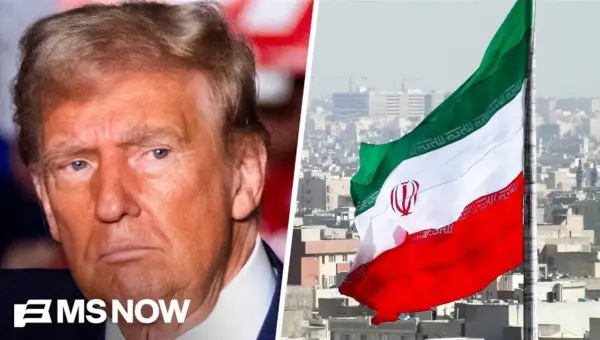
Trump Signals Indifference to High Gas Prices, Critics Warn
President Trump has declared indifference to the outcome of Iran peace talks and potential impacts on gas prices, drawing sharp criticism. Analysts view his stance as a strategic "game of chicken," while critics like Eddie Glaude call it an "eat cake" moment for ordinary Americans facing economic hardship. Concerns are rising about potential escalation and a lack of accountability.
US Blockades Iran; Trump Threatens Naval Annihilation
The US has implemented a naval blockade on Iranian ports, with President Trump issuing a stark warning to destroy any Iranian ships that approach. This move significantly escalates tensions and is expected to impact global oil prices, particularly affecting Asian nations like China. The strategy aims to pressure Iran back to negotiations, but carries risks of wider conflict.