US Oil Exports Soar Past $100 as Iran Sanctions Loom
US crude exports are surging to record highs as global demand increases and sanctions loom over Iran. This shift is pushing oil prices above $100, with potential impacts on domestic energy costs.

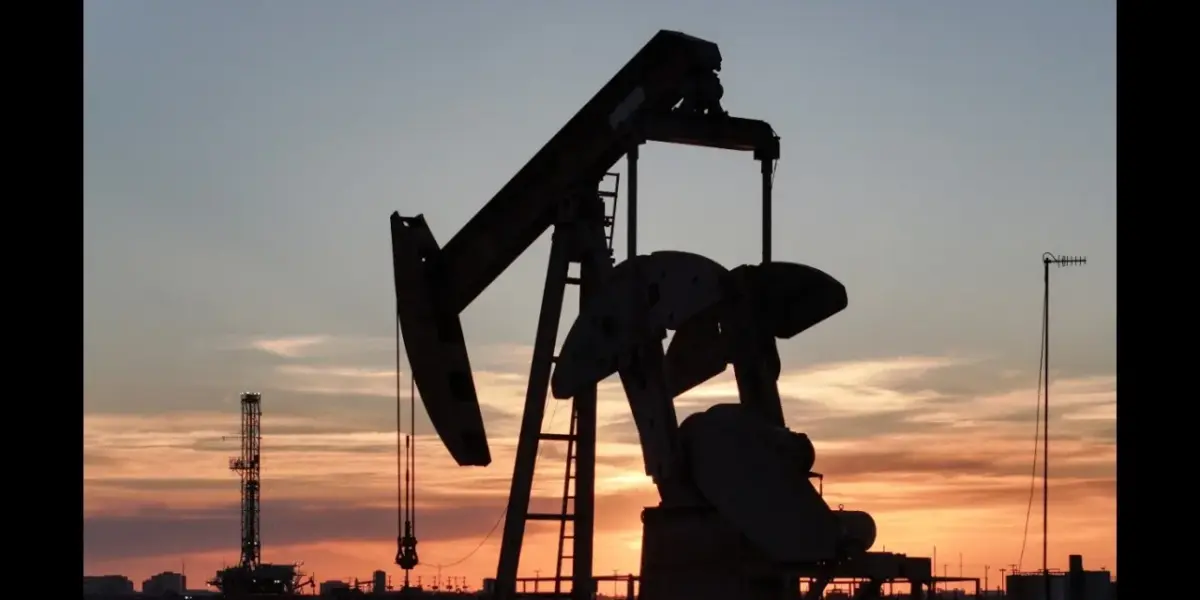
US Oil Exports Soar Past $100 as Iran Sanctions Loom
The global oil market is experiencing a significant shift, with prices climbing above $100 a barrel. This surge is largely due to increasing US crude exports and looming sanctions on Iran. The United States has announced it will block Iranian ports starting Monday, a move that is expected to further disrupt global oil supplies and push buyers toward alternative sources.
Record US Exports Driven by Global Demand
US crude exports from the Gulf Coast are set to reach record levels. Market analysts predict shipments will hit 5 million barrels a day in May. This jump is fueled by strong demand, particularly from Asia. As disruptions in the Middle East continue, buyers are actively seeking alternative oil supplies. This increased demand for non-Iranian oil is directly benefiting US producers.
The numbers are striking. Analysts told Bloomberg that 28 supertankers are already contracted to carry US crude in May. This is a massive increase compared to the usual average of only five supertankers around this time of year. This indicates a substantial ramp-up in US oil export capabilities and a growing reliance on American supply.
Iran Sanctions and Market Uncertainty
The US Justice Department has issued a stern warning: it will prosecute anyone trading sanctioned Iranian oil. Acting Attorney General Todd Blanch made this clear on social media platform X, stating that the DOJ fully supports President Trump and the military. This announcement adds another layer of uncertainty to the global oil market. The threat of prosecution for dealing with Iranian oil means buyers will likely avoid it altogether, further increasing demand for oil from other nations, including the United States.
This situation echoes past geopolitical tensions that have impacted oil prices. Historically, conflicts or political instability in the Middle East have often led to spikes in oil costs. When a major oil-producing nation faces sanctions or its shipping routes are threatened, the global market reacts quickly. Buyers become nervous about supply security, leading them to secure oil elsewhere, often at higher prices. The current events with Iran are a clear example of this pattern.
Potential Impact on Domestic Prices
While rising exports are good news for US producers and the global market seeking alternatives, some experts caution about potential domestic impacts. As more American oil is shipped overseas, there are concerns that the supply available within the United States could tighten. This reduced domestic supply, combined with already high global demand, could lead to increased energy prices for American consumers. It’s a delicate balancing act between meeting international demand and ensuring affordable energy at home.
Why This Matters
This development is significant because oil prices directly affect the global economy. When oil prices rise, so do the costs of transportation, manufacturing, and nearly all goods and services. For consumers, this means higher prices at the gas pump and increased costs for heating and electricity. For businesses, it can mean higher operating expenses, potentially leading to reduced investment or higher prices for their products. The decision to sanction Iranian oil and the subsequent surge in US exports are creating ripples that will be felt worldwide.
Trends and Future Outlook
The trend of increasing US oil exports seems set to continue, at least in the short term, as long as global demand remains high and Middle Eastern supplies are uncertain. The effectiveness of the US sanctions on Iran will also play a crucial role. If the sanctions significantly reduce Iran’s oil exports, the demand for oil from other sources, including the US, will likely remain strong. However, the long-term outlook could be influenced by the global shift towards renewable energy sources. While oil remains dominant, the ongoing push for cleaner energy alternatives might eventually temper the impact of geopolitical events on oil prices.
The interplay between geopolitical actions, global demand, and domestic supply will continue to shape the oil market. The coming weeks and months will be critical in determining how sustained this price increase will be and what its broader economic consequences will be for both the US and the rest of the world. The market is watching closely as these events unfold.
Source: Oil Prices Jump Above $100 After US Says It Would Block Iranian Ports Starting Monday (YouTube)

Related Articles

Iran’s Strait of Hormuz Blockade: A Risky Gamble for Oil Power
Iran's control over the Strait of Hormuz has been its primary bargaining tool in international negotiations. Recent actions by the US to blockade the strait signal an escalation, moving away from potential peace deals towards a standoff. The situation highlights global energy security concerns and Iran's assertive tactics.


U.S. Tightens Grip on Hormuz Strait
Tensions escalate in the Strait of Hormuz as the U.S. threatens to blockade Iranian ports, causing oil prices to surge. Following failed peace talks, Iran vows retaliation against any perceived violations, setting the stage for a significant geopolitical standoff.

US Navy Blockades Strait of Hormuz Amid Global Tensions
The US Navy has initiated a blockade of the Strait of Hormuz, a vital global shipping lane, in response to Iran's actions. This move is already impacting global oil prices and prompting international coalitions to form for maritime security. The situation remains tense, with a focus on diplomatic solutions and ensuring freedom of navigation.