Iran’s Regime Thrives on Chaos, Not Peace
Iran's government thrives on chaos, using conflict for survival. Experts describe the regime as a 'cacistocracy,' run by the incompetent. Despite internal dissent and international pressure, the regime's survival is bolstered by external support from minority Shia groups and a strategy of ruthless suppression.

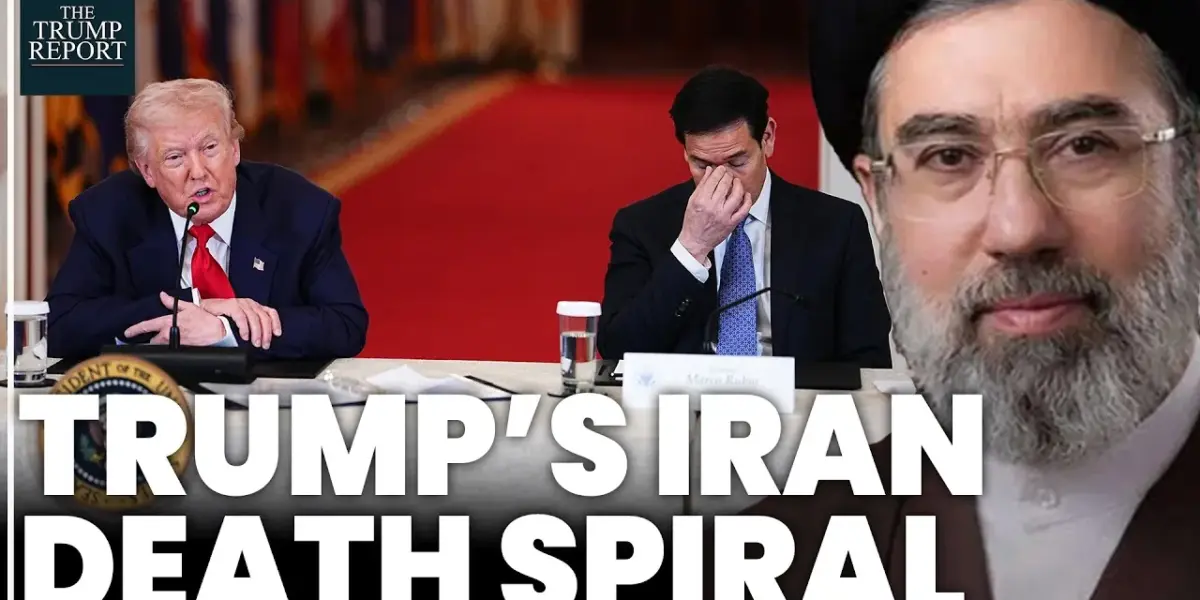
Iran’s Regime Thrives on Chaos, Not Peace
Iran’s current government, according to experts, survives and even thrives on crisis and conflict. It struggles during times of peace. This is because its leaders often seem to be the least qualified people for their jobs. This idea is described by the term ‘cacistocracy,’ meaning a country run by the most incompetent people.
The regime holds an ‘Armageddon ideology,’ believing that controlling the Middle East will help a hidden Shia imam appear sooner. This belief system fuels their aggressive stance. It makes defeating them through violence incredibly difficult. Their focus on war and conflict is a core part of their strategy for survival.
Trump’s Words and Iranian Reactions
During recent conflicts, President Trump made strong statements about Iran. Many Iranians initially supported a response to actions they saw as attacks on their people. They hoped for targeted strikes against regime officials and military sites. However, Trump’s words quickly shifted from targeting the regime to criticizing the entire Iranian nation and its ancient civilization.
These comments were seen as deeply offensive. They caused many Iranians, even those who initially supported intervention, to distance themselves. Some tried to explain away Trump’s words, suggesting he only meant the current Islamic regime. However, this explanation didn’t sit well with many.
Iranians are proud of their long history and civilization, which has survived many invasions. To suggest it could be destroyed was seen as a grave insult. These remarks might be remembered as a moment where potential allies were pushed away.
The Pro-Western Heart of Iran
Despite the regime’s anti-Western stance, the majority of Iranians are actually pro-Western and pro-American. This is unusual in the Middle East, where governments are often pro-Western while populations are not. Even with internet disruptions during recent events, many Iranians still express a desire for regime change and see the West as an ally.
However, some Arab states in the Persian Gulf may not want a well-run, pro-Western Iran. They benefit financially from Iran’s poor management. A stable, prosperous Iran could become a competitor. They might prefer a weak Islamic Republic or even a failed state, which hinders positive change.
Iran’s Influence in the West
Iran has established numerous outlets in Western countries, particularly the UK, under the guise of religious tolerance. These centers often promote Iran’s political ideology and influence. They can be used for recruitment, sending disgruntled individuals to Iran for training and then back to their home countries as ‘softwar officers.’
Western governments have allowed this to continue, despite Iran’s hostile chants and actions against their countries. Officials often acknowledge these centers shouldn’t be there but are hesitant to take action, fearing consequences. The lack of courage to shut down these influence centers is seen as a threat to national security.
There’s a distinction between closing embassies and shutting down these cultural and religious centers. Closing embassies could lead to reciprocal actions, cutting off vital information channels. However, outlets spreading political Islam and exporting revolution should be shut down. This is crucial for Western security.
Who is Really in Charge?
There is significant doubt about who is currently running Iran. The newly announced leader has not appeared in any form, not even with a handwritten message. This suggests he is either incapacitated or not in control.
The most likely power behind the throne is the Islamic Revolutionary Guard Corps (IRGC). Their name and logo do not mention Iran but focus on protecting the Islamic Revolution and the regime. They appear to be running the country collectively, possibly until one individual emerges as the supreme leader.
A Sense of Hopelessness and Confusion
Following recent events, many Iranians feel a mix of confusion and hopelessness. They expected help to overthrow the regime and perhaps targeted attacks. Instead, they faced severe crackdowns and saw the regime emerge stronger in some ways, despite significant damage to its infrastructure and leadership.
The sacrifices made for freedom have not yet yielded the desired results. This has led to despair, with people wondering if anything will change or if the regime will simply become more oppressive. Internal repression is high, and public protest is difficult, especially during wartime when dissenters can easily be labeled traitors.
External Support Bolsters the Regime
A key factor in the regime’s survival is its support from minority Shia groups outside Iran. These groups, often persecuted in their home countries, see Iran as a savior and protector. This includes Shia Pakistanis, Shia Afghans (like the Fatimiyun Brigade), Shia Bahrainis, and Shia Iraqis.
These external supporters are often more fanatically devoted to the regime than those inside Iran. They view Iran as a utopia and desire similar regimes in their own countries. This external backing makes the regime incredibly difficult to dislodge.
Survival Mode and No Mercy
The current Iranian regime is in survival mode. When in this state, it shows no mercy. The Shia clergy have a long history of seeking power and will not give it up easily. They have been running a parallel government for centuries.
Major uprisings have occurred in Iran over the last 20 years. The pattern is consistent: protests are allowed to continue briefly, ringleaders are identified, security forces crack down, and the internet is shut down. This approach was repeated recently.
A Strategy of Concessions
Instead of aiming for a direct confrontation, a more effective strategy might be to seek concessions, similar to the 1979 revolution. The initial phase of that revolution focused on restoring Islamic ways of life. Gradually, concessions were made until the regime had little left to defend.
The recent ‘Woman, Life, Freedom’ uprising achieved a significant concession: widespread defiance of the mandatory hijab. Although the law remains, women are largely not wearing it. This shows that overwhelming the regime through non-violent defiance can yield results.
Attempting to overthrow the regime violently, by taking government buildings or police stations, is unlikely to succeed without military defections. Ordinary people may not be capable of matching the regime’s level of violence. A strategy of gradual concessions, rather than direct confrontation, may be more effective in the long run.
Source: How Trump became trapped in Iran's 'armageddon ideology' over Straits of Hormuz (YouTube)

Related Articles

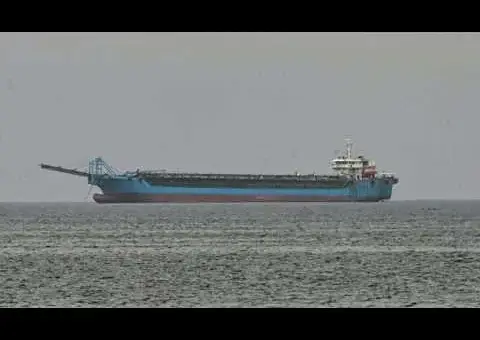
Iran’s Strait of Hormuz Blockade: A Risky Gamble for Oil Power
Iran's control over the Strait of Hormuz has been its primary bargaining tool in international negotiations. Recent actions by the US to blockade the strait signal an escalation, moving away from potential peace deals towards a standoff. The situation highlights global energy security concerns and Iran's assertive tactics.
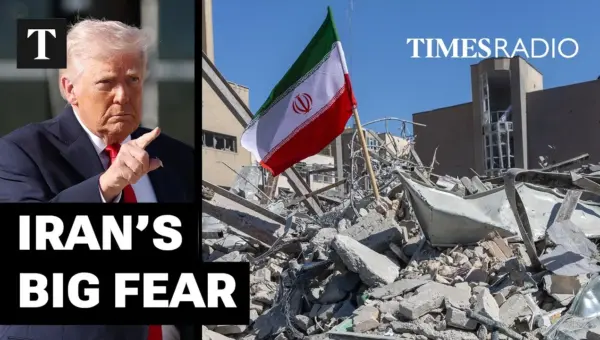
Iran Vows “Anything” To Avoid Gaza-Like State Amid Tensions
Iran is determined to avoid a Gaza-like situation amid escalating tensions with the US. A new US blockade of Iranian ports is seen as an act of war, raising fears of wider conflict. Deep distrust and stalled peace talks highlight the fragile state of regional security.

U.S. Tightens Grip on Hormuz Strait
Tensions escalate in the Strait of Hormuz as the U.S. threatens to blockade Iranian ports, causing oil prices to surge. Following failed peace talks, Iran vows retaliation against any perceived violations, setting the stage for a significant geopolitical standoff.