Trump’s Health and erratic posts raise alarms amid global tensions
Recent observations highlight concerns about Donald Trump's health and a surge of erratic social media posts. Amid failing international negotiations and rising global tensions, his online activity has become increasingly bizarre, featuring fabricated stories and distorted realities. This pattern raises significant questions about his fitness for leadership and the potential impact on national and international stability.

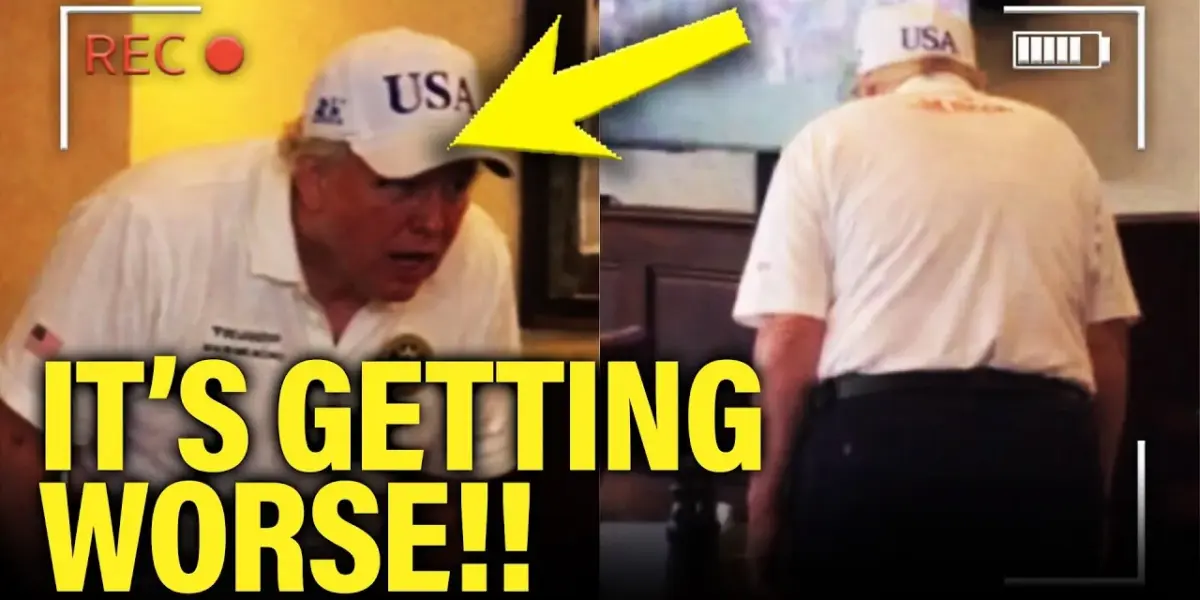
Trump’s Health and Erratic Posts Raise Alarms Amid Global Tensions
Recent observations suggest a concerning pattern in Donald Trump’s public appearances and online activity. Reports indicate a decline in both his cognitive and physical well-being, with descriptions of difficulty walking and a reliance on crowd applause. This comes at a critical juncture, as international negotiations falter and global security concerns escalate.
A Pattern of Distraction and Disinformation
During a period of significant international tension, specifically with failed negotiations involving Iran, Trump’s public focus appears to have shifted dramatically. Instead of engaging with complex diplomatic challenges, his social media has been flooded with unusual and often bizarre content. This includes posts about celebrities like Bruce Springsteen, images of Trump buildings on the moon, and comparisons of political figures’ years in office.
Furthermore, Trump has shared AI-generated images of himself as Jesus, accompanied by what appear to be toy figures. His online activity also features posts about former President Biden, Chuck Schumer, and Bernie Sanders, along with a fabricated story about saving Ed McMahon from foreclosure in 2008. This narrative, which falsely claims Trump secretly bought Ed McMahon’s home, has been widely debunked. The actual story, as reported by the Los Angeles Times and Wall Street Journal, shows Trump publicly announcing his intent to buy the home as a publicity stunt, while a different buyer ultimately purchased it.
Diplomatic Missteps and Misinformation
The timing of these online activities is particularly alarming. While critical peace talks with Iran were underway, led by individuals with limited diplomatic experience like Jared Kushner and J.D. Vance, Trump was attending a UFC fight. During this event, he was recorded making flirtatious comments to a fighter, a stark contrast to the serious diplomatic efforts occurring elsewhere.
Adding to the confusion, Trump has made public statements that appear to distort reality. In an interview, he claimed the Persian Gulf is now called the “Gulf of America” due to his influence, even suggesting he considered renaming it the “Gulf of Trump.” He also made claims about hundreds of supertankers heading to the “Gulf of America” to buy oil from the U.S., a statement that seemed to confuse the Gulf of Mexico with the Persian Gulf.
His commentary on Iran has also been troubling. He has suggested imposing a naval blockade on Iran, an idea reportedly originating from a far-right blog. He has also boasted about his ability to destroy Iran’s infrastructure, including power plants and bridges, within hours, an aggressive stance that could have severe global consequences. These pronouncements are especially concerning given the volatile geopolitical climate and the ongoing conflict in the region.
Historical Context and Public Perception
Trump’s use of social media for personal narratives and his engagement with seemingly trivial topics during serious global events is not new. However, the intensity and nature of his recent posts, coupled with reports of his declining health, raise questions about his fitness for public office and his ability to lead during crises. The fabricated Ed McMahon story, in particular, highlights a pattern of self-aggrandizement and the manipulation of information to shape public perception.
The contrast between the content of his posts and the gravity of the situations he is commenting on—such as international conflict and economic hardship for Americans—is stark. While the public grapples with issues like rising costs of living and healthcare access, Trump’s online persona remains focused on personal anecdotes and exaggerated claims of influence.
Why This Matters
The erratic behavior and questionable decision-making attributed to Donald Trump have significant implications for both domestic and international affairs. His pronouncements on foreign policy, particularly regarding Iran, could escalate tensions and endanger global stability. His public discourse, often characterized by misinformation and personal attacks, contributes to a polarized political environment and erodes public trust in institutions.
Furthermore, concerns about his cognitive and physical health, if valid, raise serious questions about his capacity to handle the immense pressures of the presidency. The ability to make sound judgments, maintain focus, and communicate clearly are paramount for any leader, especially during times of crisis. The spread of misinformation, whether intentional or due to cognitive decline, can have dangerous real-world consequences, influencing public opinion and potentially leading to ill-advised policies.
Implications, Trends, and Future Outlook
The trend of political figures using social media to bypass traditional media and directly communicate with their base is well-established. However, Trump’s approach, marked by a constant stream of unverified claims and personal narratives, represents an extreme end of this spectrum. This strategy, while effective in mobilizing his supporters, also risks further alienating undecided voters and creating a more fragmented and misinformed electorate.
Looking ahead, the focus on Trump’s health and online activity will likely intensify as political campaigns progress. Voters will need to critically assess the information presented to them and consider the potential consequences of electing a leader whose behavior and communication style are so unpredictable. The international community will also be watching closely, as any shift in U.S. foreign policy under Trump could have profound global repercussions.
The sheer volume and often nonsensical nature of Trump’s recent social media output, alongside reports of his physical and cognitive state, paint a picture of a candidate whose personal challenges may be intertwined with his public platform. This situation demands careful consideration from voters, policymakers, and the media alike, as the stability and security of both the nation and the world may be at stake.
Source: 🚨Trump’s HEALTH COLLAPSES at WORST TIME in WAR!!!! (YouTube)

Related Articles
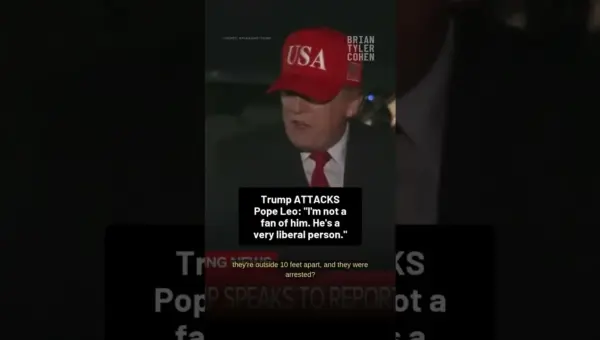
Trump Slams Pope Leo: ‘He Likes Crime,’ Mocks Nuclear Stance
Former President Donald Trump sharply criticized Pope Leo, calling him "a very liberal person" who "likes crime" and questioning his stance on nuclear weapons. Trump's remarks highlight differing views on security and the role of religious leaders in public discourse.

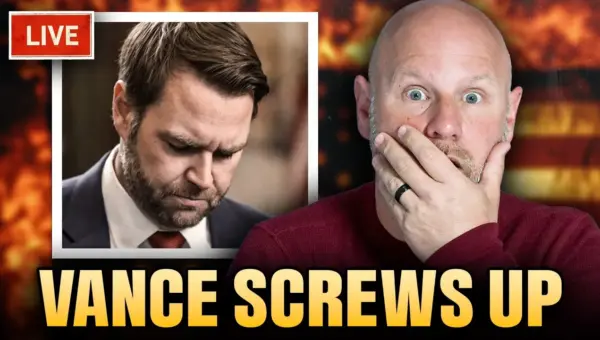
Vance’s Iran Blunder Ignites Trump’s Fury
Senator JD Vance's recent diplomatic failure with Iran has reportedly angered Donald Trump. Adding to the controversy, Vance's social media posts, likening himself to Jesus Christ, are alienating even staunch supporters. These events suggest potential strains within the broader Trump-aligned administration.

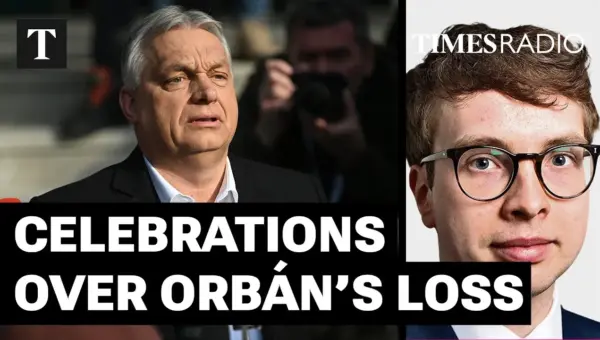
Hungary Elects New Leader, Ending Orbán’s Long Rule
Hungary has elected Peter Magyar as its new leader, ending Viktor Orbán's 16-year rule. The shift is seen as a win for the EU and a potential setback for the "MAGA" movement. Meanwhile, former US President Trump's proposal for a blockade on Iran faces international skepticism.