Trump Slams Pope Leo: ‘He Likes Crime,’ Mocks Nuclear Stance
Former President Donald Trump sharply criticized Pope Leo, calling him "a very liberal person" who "likes crime" and questioning his stance on nuclear weapons. Trump's remarks highlight differing views on security and the role of religious leaders in public discourse.

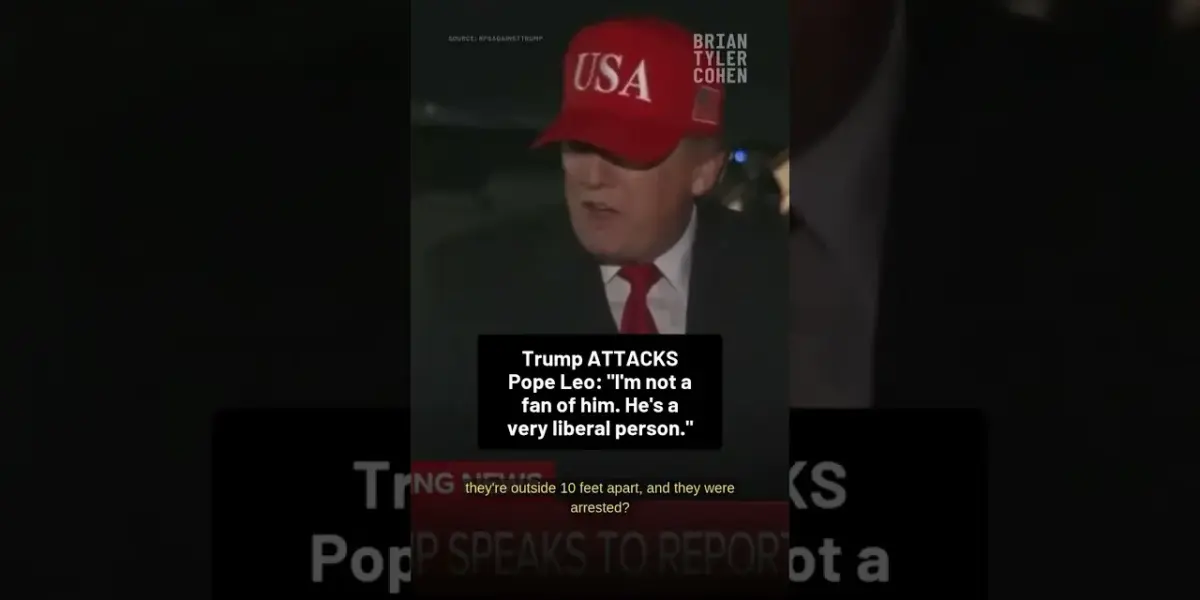
Trump’s Bold Critique of Pope Leo Stuns Many
Former President Donald Trump recently launched a sharp attack on Pope Leo, expressing strong disapproval of the Pope’s views on crime and nuclear weapons. Trump stated he is “not a big fan” of Pope Leo, calling him “a very liberal person.” These comments, made during a public appearance, have sparked considerable discussion about political and religious leadership.
Key Criticisms Highlighted by Trump
Trump’s main points of contention focused on Pope Leo’s perceived stance on public safety and international security. “He likes crime,” Trump declared, questioning the Pope’s priorities. He further elaborated that the Pope does not seem to believe in stopping crime in cities. This suggests a fundamental disagreement on how to address social issues and maintain order.
Nuclear Weapons: A Point of Deep Concern
A significant part of Trump’s criticism involved Pope Leo’s views on nuclear weapons. Trump expressed strong opposition to any leader who, in his words, “doesn’t believe in stopping crime” or is willing to consider policies related to nuclear proliferation. He specifically mentioned a concern about a Pope who might suggest it’s acceptable to have nuclear weapons. Trump believes such a stance is dangerous, especially when dealing with countries that might seek to use them to “blow up the world.” This highlights a stark contrast in foreign policy and defense philosophies.
Arrested Clergy: A Historical Parallel?
Trump also brought up the arrests of ministers and priests, suggesting a perceived hypocrisy or a lack of empathy from the Pope. He mentioned instances where religious figures were arrested, sometimes while maintaining social distancing. While the specific context of these arrests wasn’t detailed, Trump used it to question the Pope’s focus and priorities. He implied that the Pope should be more concerned with the safety and well-being of these religious leaders and the communities they serve.
Why This Matters
These strong words from a former president directed at a major religious figure are significant. They reveal how political figures use religious and moral authority to frame their arguments. Trump’s criticism taps into a common political strategy: to question an opponent’s values and judgment, especially on core issues like safety and national security. It also shows how differing views on complex global issues, like nuclear weapons, can become points of political attack.
Differing Worldviews on Security and Order
The exchange underscores a fundamental difference in how leaders view security. Trump’s focus is on law and order, often emphasizing a strong, proactive approach to crime. Pope Leo, from Trump’s perspective, appears to prioritize different concerns, which Trump labels as “liberal.” This includes a more cautious approach to military solutions and a potential willingness to engage in diplomacy even on sensitive issues like nuclear arms. The Pope’s role, as seen by many, is to promote peace and justice, which can sometimes lead to stances that challenge conventional political or military strategies.
The Role of Religion in Public Discourse
This incident also highlights the ongoing intersection of religion and politics. Religious leaders often weigh in on social and political matters, influencing public opinion and policy debates. When a prominent political figure like Trump directly criticizes a religious leader, it draws attention to these complex relationships. It raises questions about the appropriate boundaries between religious guidance and political action, and how leaders from both spheres should interact.
Future Outlook
It remains to be seen how this public criticism will affect the relationship between political figures and religious institutions. However, it is clear that disagreements over core values and policy approaches will continue to shape public discourse. As global challenges evolve, the dialogue between political leaders and religious authorities will likely become even more critical in shaping our understanding of justice, peace, and security.
Source: Trump ATTACKS Pope Leo: "I'm not a fan of him. He's a very liberal person." (YouTube)

Related Articles
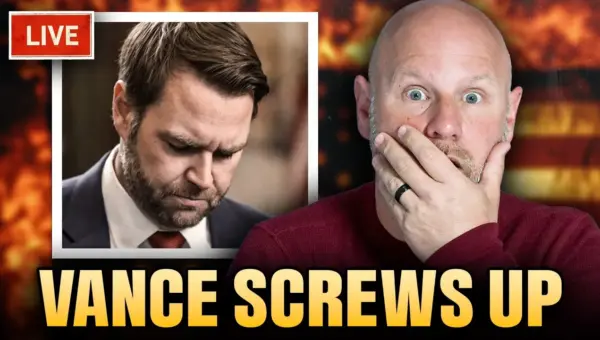
Vance’s Iran Blunder Ignites Trump’s Fury
Senator JD Vance's recent diplomatic failure with Iran has reportedly angered Donald Trump. Adding to the controversy, Vance's social media posts, likening himself to Jesus Christ, are alienating even staunch supporters. These events suggest potential strains within the broader Trump-aligned administration.
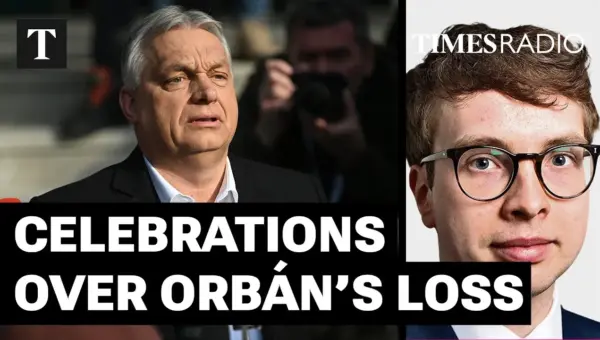
Hungary Elects New Leader, Ending Orbán’s Long Rule
Hungary has elected Peter Magyar as its new leader, ending Viktor Orbán's 16-year rule. The shift is seen as a win for the EU and a potential setback for the "MAGA" movement. Meanwhile, former US President Trump's proposal for a blockade on Iran faces international skepticism.
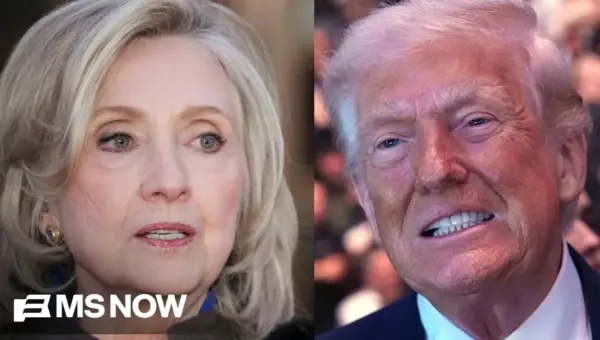
Clinton Slams Trump’s ‘Unhinged’ Social Media Posts
Hillary Clinton has strongly criticized Donald Trump's recent social media posts, labeling them "unhinged" and "disgraceful." She emphasized the need for accountability for leaders' words and actions, drawing parallels to international relations and the Iran nuclear program. Clinton also voiced concerns about Prime Minister Benjamin Netanyahu's leadership and its impact on Israel's long-term security.