Hungary Elects New Leader, Ending Orbán’s Long Rule
Hungary has elected Peter Magyar as its new leader, ending Viktor Orbán's 16-year rule. The shift is seen as a win for the EU and a potential setback for the "MAGA" movement. Meanwhile, former US President Trump's proposal for a blockade on Iran faces international skepticism.

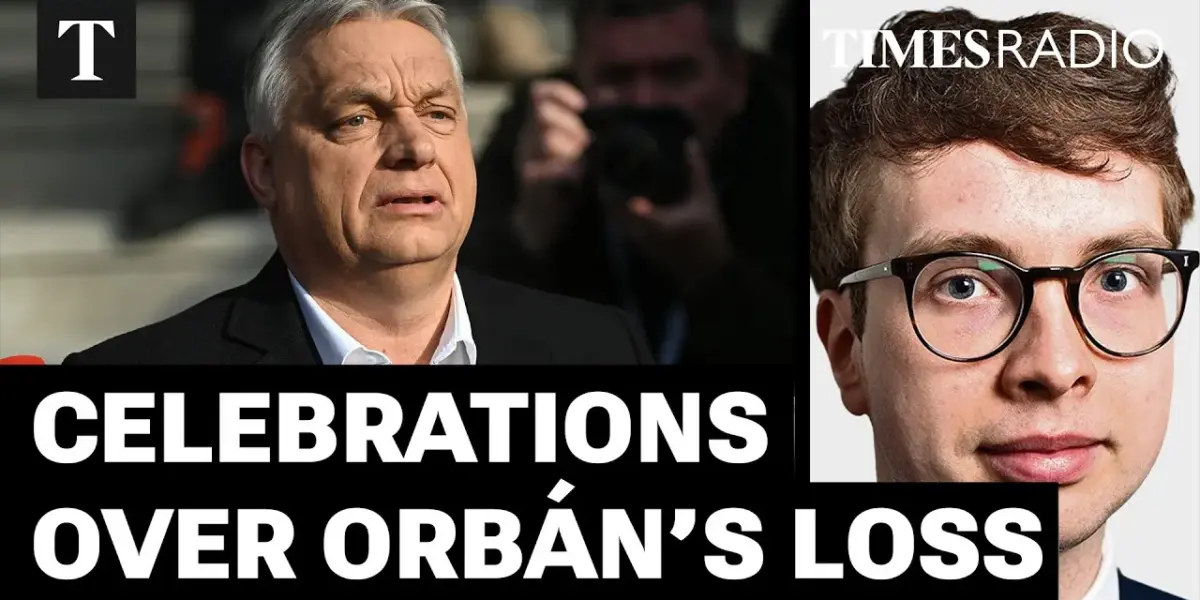
Hungary Elects New Leader, Ending Orbán’s Long Rule
In a significant political shift, Hungary has elected Peter Magyar as its new leader, ousting Viktor Orbán after a long tenure. The change has been met with congratulations from European Union leaders, as Orbán has frequently clashed with the bloc on various issues, including blocking support for Ukraine and sanctions against Russia. The election’s outcome is being viewed by some as a potential turning point for the European right and a blow to the “MAGA” movement, which had seen Orbán as a key ally.
Orbán’s Legacy and the Rise of Magyar
Viktor Orbán, who has been in power for 16 years, cultivated a political style often described as “Christian nationalism” and “leader deification.” This approach, combined with certain popular social policies like extended paid maternity leave and affordable childcare, helped him maintain a strong base. However, his policies and stance on issues like migration and EU relations created friction with Brussels.
Peter Magyar emerged as a challenger from within Orbán’s own political system, the Fidesz party. His campaign focused heavily on issues of corruption, a departure from Orbán’s policy-driven platform. The celebrations following Magyar’s victory, described by observers as feeling like “regime change,” highlighted the widespread desire for a new direction in Hungary.
Challenges Ahead for the New Leadership
Despite the celebratory mood, significant challenges lie ahead for Peter Magyar. He has secured a supermajority in the Hungarian parliament, giving him the power to enact rapid changes, including overhauling judicial appointments made during Orbán’s rule. However, the effectiveness of his new government will depend on his ability to surround himself with talented individuals and navigate the complex political landscape.
“The reason that he won this election was all the opposition forces went behind Pia Maga as opposed to being split in the past, which ended up rewarding Victor Orban,” one analyst noted. “But a lot of the Orban regime won’t go quietly. They’ll have to be prized out of office.” The question remains how much substantive change will follow this electoral victory.
Broader Implications for Europe and the US
The election in Hungary is being closely watched for its potential impact on the broader political landscape in Europe and its connection to movements in the United States, particularly “MAGA.” Some see Orbán’s defeat as a setback for the hard-right and a victory for liberal democracy. Others suggest that while democracy proved resilient, the pendulum may simply swing back over time.
The outcome could influence anti-MAGA sentiments and strategies in the US, offering a potential glimpse into the future of similar political movements. The focus now shifts to how Magyar’s government will interact with the EU and whether it represents a genuine shift away from Orbán’s policies or a continuation under a new banner.
Trump’s Iran Blockade Proposal
In separate international news, former US President Donald Trump has proposed imposing a blockade on Iran in the Strait of Hormuz, following the collapse of peace talks in Islamabad. Trump claims that numerous countries would support this action. However, the UK has already stated it will not participate.
“We’re not supporting the blockade,” a UK representative stated, emphasizing the UK’s focus on ensuring the straits remain open to reduce energy prices. The proposal has been met with skepticism, with concerns raised about its feasibility and potential to escalate regional tensions. Experts suggest that a naval blockade could quickly escalate, potentially leading to conflict with other major powers like Russia and China.
UK’s Cautious Stance on Global Conflicts
The UK’s decision to distance itself from Trump’s blockade proposal reflects a broader cautious approach to international military involvement. While acknowledging the rising energy prices linked to the Iran conflict, the UK government appears to prioritize de-escalation and avoiding direct military engagement in potentially volatile situations. This stance echoes historical decisions, such as refusing to join certain conflicts, to avoid entanglements that could prove detrimental.
This cautious approach, while potentially appearing passive, is seen by some as a pragmatic strategy to avoid unnecessary conflict and focus on national interests. The complexity of global politics often requires careful consideration of when and how to engage, with the UK opting for a stance of non-involvement in this particular instance.
Source: Viktor Orbán’s Election Loss Feels ‘Like A Regime Change’ | Sebastian Payne (YouTube)

Related Articles

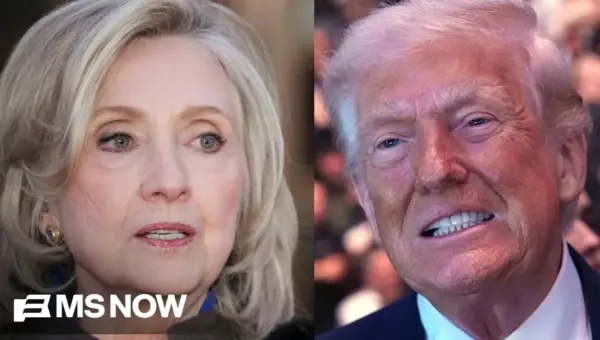
Clinton Slams Trump’s ‘Unhinged’ Social Media Posts
Hillary Clinton has strongly criticized Donald Trump's recent social media posts, labeling them "unhinged" and "disgraceful." She emphasized the need for accountability for leaders' words and actions, drawing parallels to international relations and the Iran nuclear program. Clinton also voiced concerns about Prime Minister Benjamin Netanyahu's leadership and its impact on Israel's long-term security.

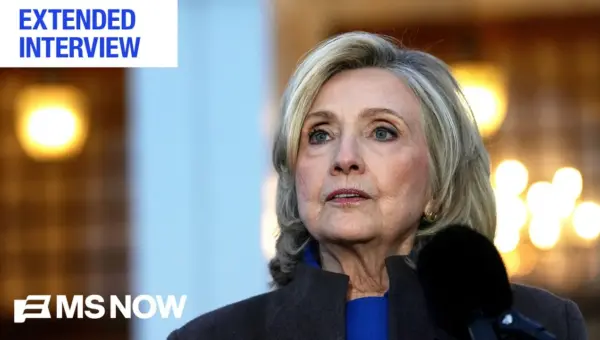
Clinton: Hungary Vote a Win for Democracy, Defeat for Putin
Hillary Clinton views Hungary's recent election as a significant victory for democracy and a defeat for authoritarianism, particularly for Putin and Trump. She stresses the importance of accountability and affordability as key messages for American Democrats going forward. Clinton also critiques Trump's rhetoric and leadership, warning of potential recklessness and advocating for stronger congressional oversight.


Hungary Votes Out Orban; US Navy Blockades Strait of Hormuz
Hungary has voted out long-serving Prime Minister Viktor Orban, signaling a potential shift in European Union dynamics. Meanwhile, the U.S. Navy has imposed a blockade in the Strait of Hormuz following failed nuclear talks with Iran, raising concerns about regional stability and potential escalation.