General Warns of War Crime Trials for U.S. Military
Retired U.S. Army Brigadier General Steve Anderson warns that U.S. military members could face Nuremberg-style trials for war crimes. He criticizes former President Trump's handling of international conflicts, particularly in Iran, calling it a major geopolitical blunder. Anderson urges strategic international action for accountability after the current administration.

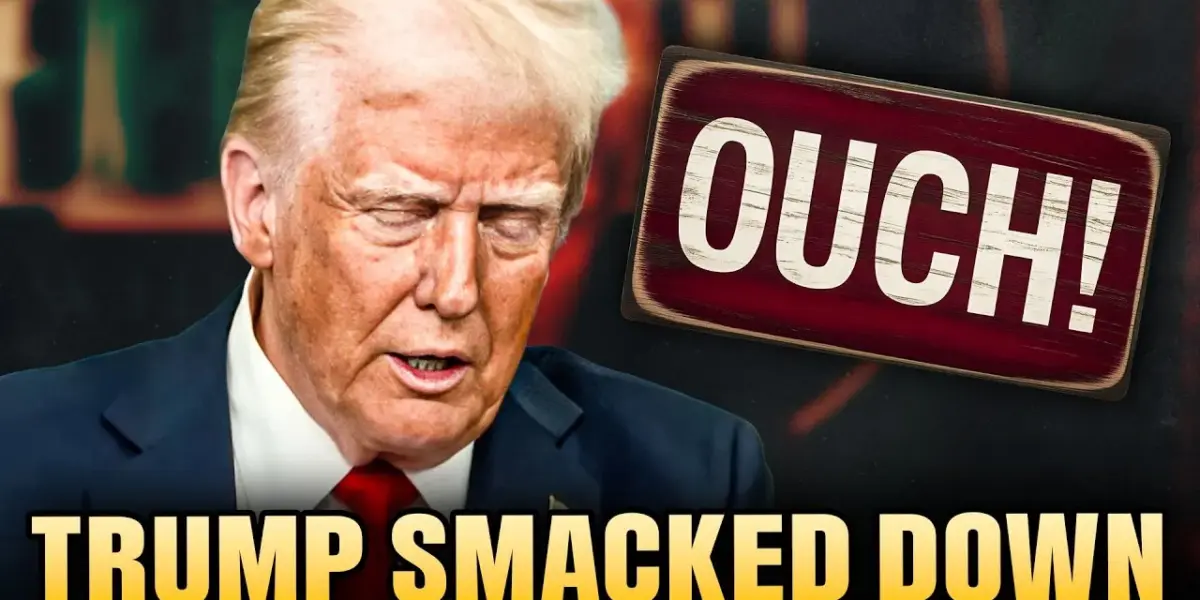
General Warns of War Crime Trials for U.S. Military
A retired U.S. Army Brigadier General has issued a strong warning, suggesting that American military members could face trials similar to the Nuremberg trials if they continue to follow certain orders. This stark prediction comes from retired Brigadier General Steve Anderson, who believes former President Donald Trump has deeply mishandled complex international situations, particularly concerning Iran.
A Complex Situation in Iran
General Anderson described the situation in Iran as far more complicated than that in Venezuela. He stated that the United States often underestimates the resolve and capabilities of the Iranians. Despite ongoing conflict, Iran’s oil exports have reportedly increased since the war began, showing a resilience that Anderson believes Trump has miscalculated.
“Trump has stuck his fist in the middle of a hornet’s nest and he doesn’t know how to get it out,” Anderson said, highlighting the perceived lack of strategic understanding.
He further argued that the U.S. military lacks clear objectives in this volatile region. This uncertainty, coupled with Iran’s control over the Strait of Hormuz, creates a dangerous and unpredictable environment. Anderson calls this situation the greatest geopolitical blunder in U.S. history.
Competence as Commander-in-Chief Questioned
Anderson didn’t mince words about Trump’s fitness to lead the military. “We already knew that Donald Trump was a pretty bad president, but now we know that he’s an absolutely terrible commander-in-chief as well,” he stated. The general emphasized that Trump has failed to set clear, achievable goals for the military, making effective action difficult.
Recalling the Nuremberg trials after World War II, where war criminals were held accountable, Anderson expressed concern that American soldiers and leaders might face similar scrutiny in the future. This would be due to decisions made under presidential direction that could be deemed illegal.
Allegations of War Crimes
While not accusing the U.S. of destroying an entire civilization, Anderson pointed to specific incidents that he believes constitute war crimes. He cited the bombing of boats in international waters, questioning the jurisdiction and evidence used. Anderson described these actions as indiscriminate attacks, even on survivors found in the water, calling it “100% a war crime.”
He stressed that the defense of “just following orders” is not a valid excuse for committing atrocities. This implies that both soldiers and the leaders who gave the orders could be held responsible.
The Path to Accountability
General Anderson believes that international bodies like the International Criminal Court and the United Nations will need to step in after the current administration leaves office. He suggests that these organizations should launch investigations and begin prosecutions for any war crimes committed.
However, he cautioned that such actions must be strategic. If investigations start while Trump is still in office, the U.S. might withdraw from these international organizations or cut their funding. Anderson advocates for waiting until the administration changes to avoid a potentially dangerous and counterproductive response from the U.S.
Why This Matters
This analysis raises critical questions about presidential authority, military conduct, and international law. General Anderson’s warnings highlight the severe consequences that can arise when political decisions intersect with military actions in complex geopolitical arenas. The potential for U.S. military personnel and leaders to face international tribunals is a serious concern that demands careful consideration of the ethical and legal boundaries of warfare.
Historical Context and Future Outlook
The reference to the Nuremberg trials provides a historical anchor, reminding us of the global effort to establish accountability for wartime atrocities. The trials after World War II set a precedent that individuals, not just nations, can be held responsible for crimes against humanity. Anderson’s warning suggests that similar standards might be applied to contemporary conflicts.
The future outlook depends heavily on how these allegations are addressed. If investigations and potential prosecutions proceed strategically, they could reinforce international norms and deter future violations. However, a poorly managed process could lead to international backlash and further strain U.S. relations with global institutions. The U.S. military’s adherence to international law and the ethical conduct of its operations remain paramount for maintaining its global standing and legitimacy.
Source: Trump Hit With BRUTAL Takedown From U.S. General (YouTube)

Related Articles
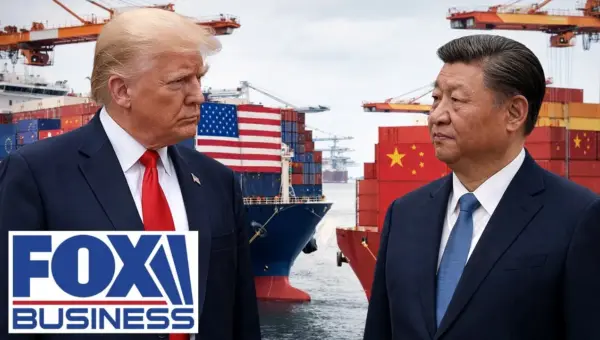
Trump Threatens 50% Tariffs on China Over Iran Support
Former President Donald Trump has issued a stark warning to China, threatening a 50% tariff if Beijing supplies military equipment to Iran. The interview also highlighted U.S. energy dominance and criticized NATO allies for their perceived lack of support.

Global Tensions Shake Crypto Markets
Global geopolitical tensions and worsening economic conditions are directly influencing cryptocurrency market flows, with energy prices playing a central role. Escalating conflicts and potential trade disruptions could trigger rapid and significant price drops across digital assets, making market participants increasingly cautious.
Oil Surges Past $100 on Iran Blockade Fears
Global oil prices have surged past $100 per barrel amid fears of supply disruptions following the U.S. announcement of a blockade targeting Iranian oil exports via the Strait of Hormuz. This critical waterway handles 20% of global oil supply, and the blockade risks escalating geopolitical tensions and further damaging an already fragile global economy.