US Navy Blockades Strait of Hormuz Amid Global Tensions
The US Navy has initiated a blockade of the Strait of Hormuz, a vital global shipping lane, in response to Iran's actions. This move is already impacting global oil prices and prompting international coalitions to form for maritime security. The situation remains tense, with a focus on diplomatic solutions and ensuring freedom of navigation.

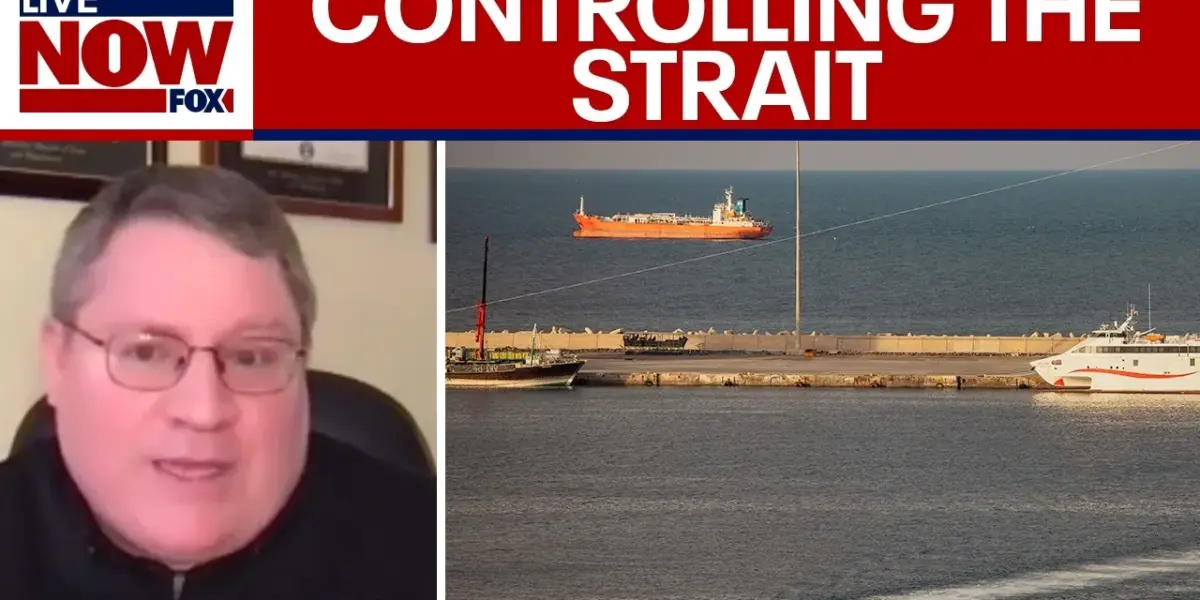
Global Shipping Disrupted as US Navy Enforces Blockade
The United States Navy has begun enforcing a blockade of the Strait of Hormuz, a critical global oil transit route. This action, announced by President Trump, aims to counter Iran’s previous actions that restricted passage through the vital waterway. The move is expected to have immediate and far-reaching impacts on global oil prices and international relations.
International Law and Maritime Practice
Professor Rocky Whites of the Fletcher School at Tufts University explained that the US action is an application of international maritime law. Iran had previously established a “quasi blockade,” requiring ships to use its territorial waters. The Strait of Hormuz, however, is recognized under the UN Convention on the Law of the Sea as an international strait, with a traffic separation scheme running through the middle of the boundary between Iranian and Omani waters. A legal blockade, according to naval warfare law, must be applied impartially to all nations. More details on the specific implementation of the US blockade were expected following a 10:00 a.m. Eastern time press conference.
Immediate Economic Impacts Felt Worldwide
The economic consequences of the blockade were almost immediately visible. Oil prices saw a significant rise in futures markets, affecting both the international Brent benchmark and the West Texas Intermediate in the United States. Countries rely on a steady supply of oil to keep refineries running, and disruptions create fears of shortages. Asia and Europe are expected to be hit the hardest by these price increases and potential supply issues. Reports of civil unrest in Ireland over fuel costs highlight the sensitivity of the situation.
Global Leaders Respond and Form Coalitions
International responses have been swift. The UK, through Prime Minister Kier Starmer, has convened over 40 nations to restore freedom of navigation. The UK and France plan to co-host a summit to develop a coordinated multinational plan to protect international shipping. French President Emmanuel Macron emphasized the need for diplomatic solutions to ensure peace and security in the region, specifically mentioning the restoration of free and unimpeded navigation through the Strait of Hormuz. These European nations are working to establish their own measures to safeguard shipping, possibly through escort missions.
US Navy’s Strategic Approach to the Blockade
Professor Whites noted that the US Navy has already been actively engaged in mine-clearing operations in the region, using advanced undersea and surface drones. Reports indicate that a significant portion of mines previously thought to be deployed by Iran’s Islamic Revolutionary Guard Corps Navy has been destroyed. The US has deployed sophisticated guided missile destroyers, the Arleigh Burke-class, equipped with advanced defense systems, to patrol the strait and support mine-hunting efforts. These ships have successfully navigated the strait without incident.
Geographic Advantages and Challenges
The geography of the Strait of Hormuz, a relatively narrow passage, gives the US Navy a strategic advantage in enforcing a blockade. While Iran’s long coastline offers potential areas to evade interception, the confined nature of the strait and its outlet into the Gulf of Oman makes it difficult to avoid US naval assets. The US may focus on intercepting ships in the Arabian Sea, the outlet into the Indian Ocean, as they leave the Gulf of Oman. Although the US possesses the capability to enforce the blockade, even a single mine incident could significantly disrupt commercial shipping and cause a slowdown.
A Wait-and-See Approach
The situation remains fluid, with developments unfolding hour by hour. The effectiveness and long-term consequences of the US blockade are yet to be fully determined. International efforts to ensure freedom of navigation and de-escalate tensions will be crucial in the coming days and weeks. The world watches closely as this critical maritime chokepoint becomes the focal point of international strategy and diplomacy.
Source: What we can expect from Strait of Hormuz blockade (YouTube)

Related Articles
Iran’s Strait of Hormuz Blockade: A Risky Gamble for Oil Power
Iran's control over the Strait of Hormuz has been its primary bargaining tool in international negotiations. Recent actions by the US to blockade the strait signal an escalation, moving away from potential peace deals towards a standoff. The situation highlights global energy security concerns and Iran's assertive tactics.
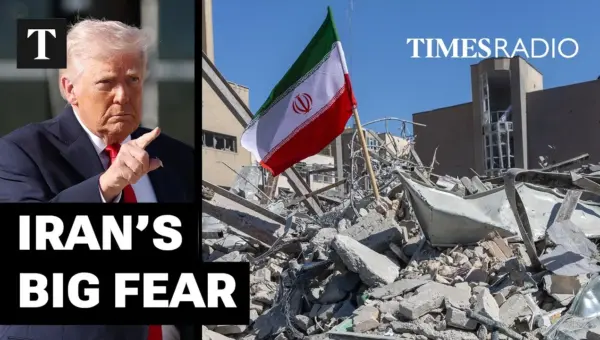
Iran Vows “Anything” To Avoid Gaza-Like State Amid Tensions
Iran is determined to avoid a Gaza-like situation amid escalating tensions with the US. A new US blockade of Iranian ports is seen as an act of war, raising fears of wider conflict. Deep distrust and stalled peace talks highlight the fragile state of regional security.
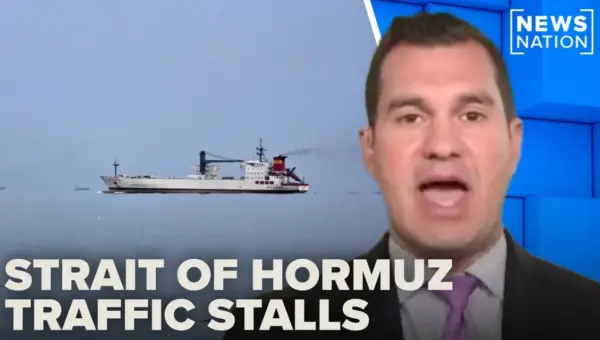
U.S. Tightens Grip on Hormuz Strait
Tensions escalate in the Strait of Hormuz as the U.S. threatens to blockade Iranian ports, causing oil prices to surge. Following failed peace talks, Iran vows retaliation against any perceived violations, setting the stage for a significant geopolitical standoff.