Polls Show Americans Concerned Over Iran War, Trump Approval Dips
New polls show growing American concern over the Iran conflict and its economic impact, with President Trump's approval rating dipping. A failure to clearly communicate the rationale for U.S. involvement and ongoing issues with the Strait of Hormuz are contributing factors. The administration faces a difficult choice between withdrawal, risking regional instability, and continued engagement, which could keep gas prices high heading into the midterm elections.

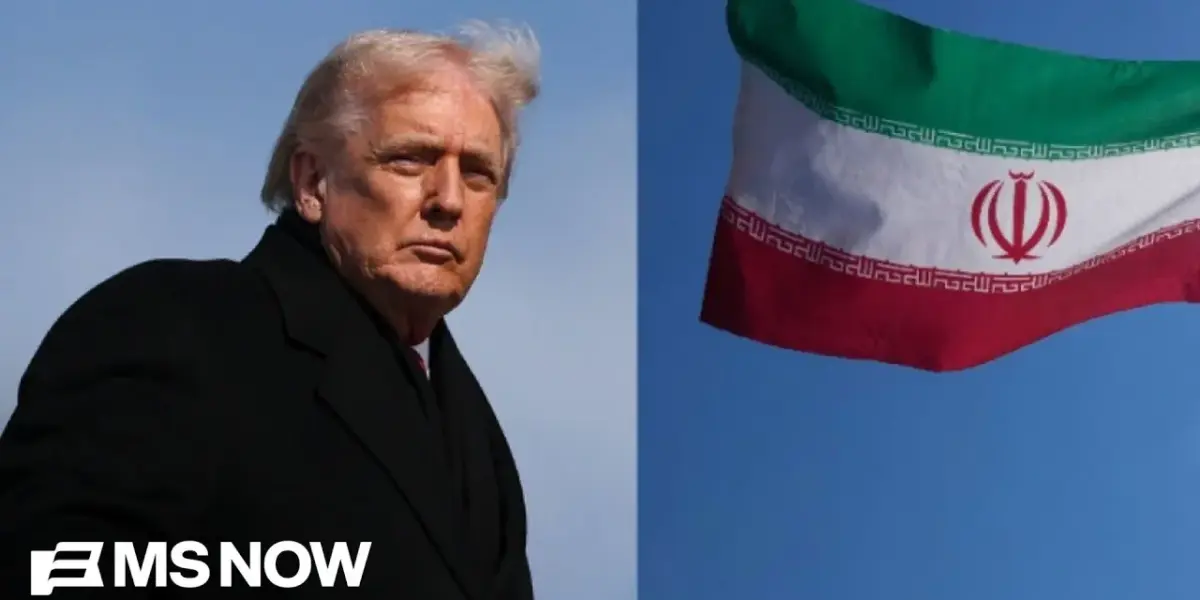
Americans Growing Uneasy Over Iran Conflict
New polling data reveals a significant rise in American concern regarding the ongoing conflict in Iran and its economic fallout. A recent CBS News YouGov poll indicates that only 36% of Americans approve of President Trump’s handling of the situation, a two-point drop from the previous month. This decline contributes to a broader trend of decreasing approval for the President, whose overall approval rating now stands at 39%, the lowest point of his second term.
Economic Woes Plague Trump Administration
Beyond the Iran conflict, President Trump faces public disapproval on several key issues. His handling of immigration is underwater by 12 points. The economy, a traditional strength for many administrations, shows a 30-point deficit in approval. Inflation has become a particularly sharp point of concern, with a 38-point gap, marking a new low. Notably, this inflation figure includes a slight decrease in approval even among Republicans, suggesting widespread economic anxiety.
President’s Case for Iran Involvement Unclear
Analysts suggest that President Trump has failed to effectively communicate to the American public why the United States is investing billions of dollars in Iran. “He has never made that case. He has never effectively made it,” noted one commentator, implying this lack of clear justification is a major factor in his low polling numbers on the issue. The confusion is compounded by shifting explanations for the conflict, with early justifications, such as preventing an Israeli attack, being described as unclear and lacking coherence.
Strategic Challenges in the Strait of Hormuz
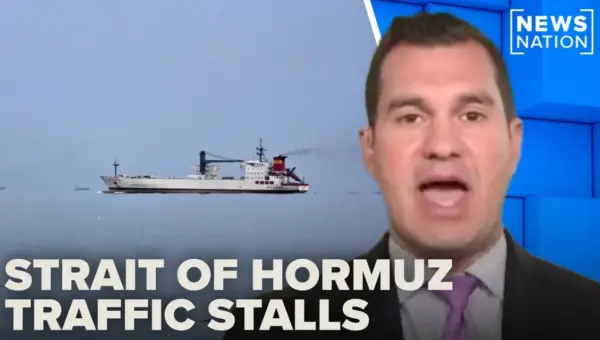
A critical element of the Iran situation is Iran’s control over the Strait of Hormuz, a vital waterway for global oil transport. The transcript highlights a sense of being caught off guard by the extent of this control. “It just seems that we were caught, we were caught it’s not by surprise, the kind of control that they take over this space. I just, it is dumbfounding,” one speaker remarked. The continued closure of the strait directly impacts global oil prices, creating a direct link between the conflict and the pocketbooks of American consumers.
Dual Challenges: Nuclear Program and Strait Access
The Trump administration faces two primary challenges that must be resolved before troops can return home. First, Iran’s nuclear program remains a significant concern, with conflicting reports on its proximity to developing nuclear weapons. Second, the Strait of Hormuz must be reopened to ensure stable global trade and energy flow. These issues are intertwined with ongoing negotiations, where some officials express cautious optimism about continued positive talks, though no definitive breakthroughs have been announced.
The President’s Dilemma: Cut and Run or Stick It Out?
President Trump is reportedly weighing difficult choices regarding the conflict, facing a “no-win” scenario. One option is to withdraw, but this would leave Iran in control of the Strait of Hormuz, a move seen as potentially devastating for regional allies like the UAE and Saudi Arabia. The alternative is to remain engaged, working to ensure the Strait’s reopening and addressing Iran’s nuclear ambitions. However, prolonging the engagement is likely to keep gas prices elevated, posing a significant political risk, especially with midterm elections approaching.
Impact on Midterm Elections
The rising cost of gas is a major concern for Republican candidates in the upcoming midterm elections. The Democratic National Committee has explicitly stated that higher gas prices on election day would put Republicans in serious trouble. Even if the conflict winds down quickly, the lingering effects of higher prices could impact voter sentiment for months. This creates a tense political environment where domestic economic concerns are directly tied to foreign policy decisions.
Diplomacy Over Military Action
Despite military actions taken against Iran, the core of the solution is seen as diplomatic. The transcript emphasizes that negotiations are far more crucial than any military strikes. “They’ve got to get a diplomatic deal,” one speaker asserted. The administration’s engagement in high-profile negotiations is being scrutinized, particularly concerning the President’s public appearances and focus, which some find to be at odds with the gravity of the situation.
Broader Global Implications and Regional Stability
The situation in Iran has wider global implications beyond oil prices. The Strait of Hormuz is also a key route for goods like fertilizers, affecting global supply chains. International partners are offering support for diplomatic solutions, emphasizing the need for a settlement that guarantees regional stability. Addressing not only Iran’s nuclear program but also its ballistic missile development and support for regional proxies is seen as essential for long-term peace and security.
Looking Ahead: Negotiations and Political Fallout
The coming weeks will be critical as the Trump administration navigates the complex situation in Iran. All eyes will be on the progress of diplomatic negotiations, as they are widely seen as the key to de-escalating the conflict and stabilizing global energy markets. The political ramifications of these decisions, particularly concerning gas prices and public approval, will undoubtedly play a significant role in the upcoming midterm elections and President Trump’s legacy.
Source: Americans are growing increasingly concerned about the war in Iran, polling shows (YouTube)

Related Articles

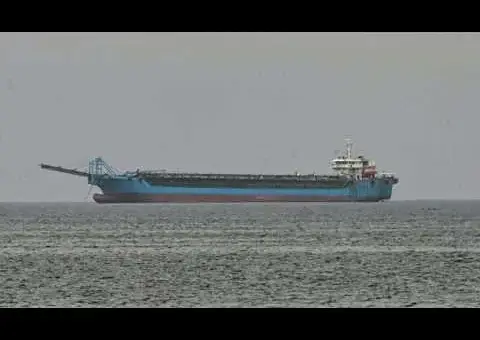
Iran’s Strait of Hormuz Blockade: A Risky Gamble for Oil Power
Iran's control over the Strait of Hormuz has been its primary bargaining tool in international negotiations. Recent actions by the US to blockade the strait signal an escalation, moving away from potential peace deals towards a standoff. The situation highlights global energy security concerns and Iran's assertive tactics.
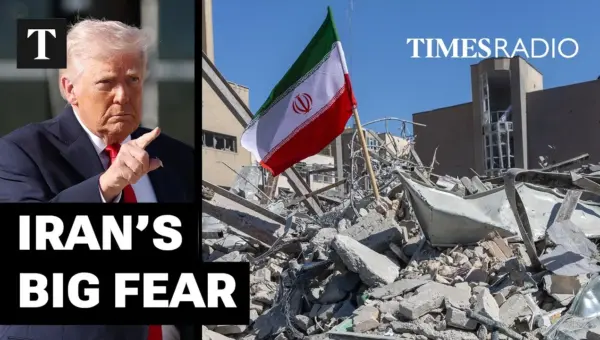
Iran Vows “Anything” To Avoid Gaza-Like State Amid Tensions
Iran is determined to avoid a Gaza-like situation amid escalating tensions with the US. A new US blockade of Iranian ports is seen as an act of war, raising fears of wider conflict. Deep distrust and stalled peace talks highlight the fragile state of regional security.

U.S. Tightens Grip on Hormuz Strait
Tensions escalate in the Strait of Hormuz as the U.S. threatens to blockade Iranian ports, causing oil prices to surge. Following failed peace talks, Iran vows retaliation against any perceived violations, setting the stage for a significant geopolitical standoff.