Global Chaos Looms Without Diplomacy, Warns Expert
Michael Ignatieff warns that the world faces "permanent chaos" if diplomacy is replaced by coercive deal-making. He highlights the fragility of international relations and the need for negotiated settlements to ensure global stability, especially concerning vital trade routes.

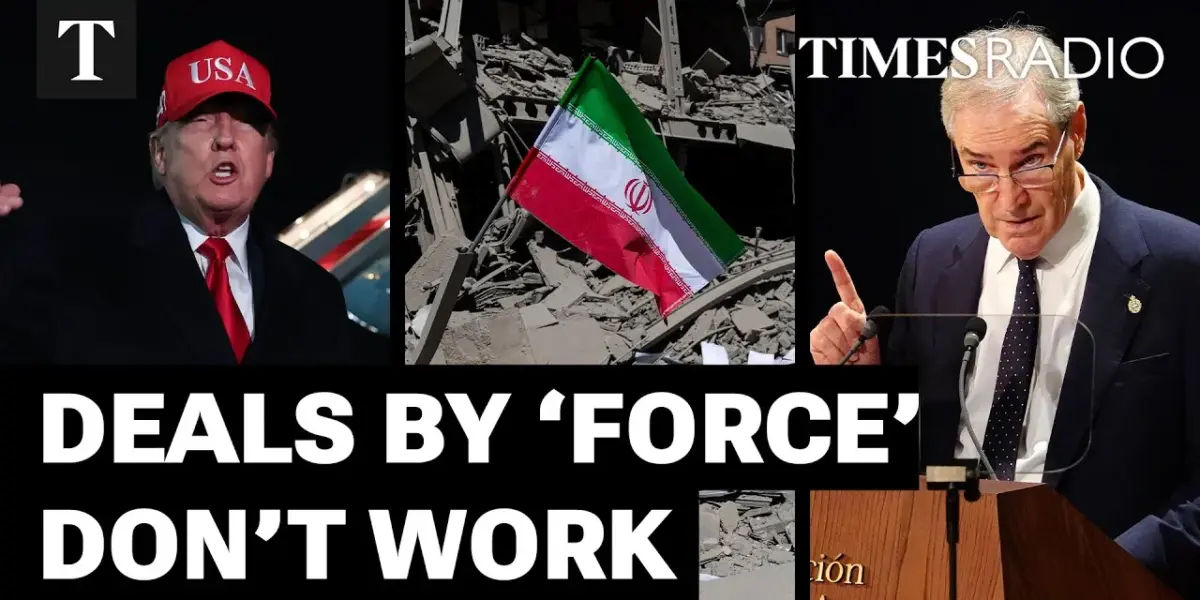
Global Order Faces ‘Permanent Chaos’ Without Diplomacy
The world risks falling into a state of “permanent chaos” if nations abandon diplomatic efforts in favor of forceful deal-making, according to Michael Ignatieff, a prominent academic, writer, and former leader of the Canadian Liberal Party. Speaking in the wake of international conflicts, Ignatieff warns that a reliance on coercion rather than negotiation is destabilizing the global economy and undermining the international order built over decades.
The Perils of Coercive Deal-Making
Ignatieff draws a stark parallel between current international relations and a world where “there are no friends, only what you do for me today.” He argues that relying on leader-to-leader deals, which can be easily reversed, creates instability. The idea of long-standing relationships, like the one historically perceived between the UK and the US, is dissolving. This shift is frightening because it removes the historical context that once guided international interactions.
He points to the conflict in Iran as a prime example. “You can use all kinds of force on the Iranians… and they still won’t yield,” Ignatieff stated. Instead, using force has strengthened hardliners within Iran and led to conflict with allies in the Gulf. He believes that problems like the situation in Iran cannot be solved by external pressure alone. Instead, diplomatic solutions are needed to ensure stability, such as keeping vital shipping lanes like the Straits of Hormuz open and preventing nuclear proliferation.
A Waning Rules-Based Order
The current international system, often referred to as the “rules-based global order,” is showing significant cracks. Ignatieff suggests this order is being replaced by a “law of the jungle.” He identifies key events that have damaged this order, including Russia’s invasion of Ukraine and the 2003 invasion of Iraq. Both actions involved permanent members of the UN Security Council violating the very principles they were meant to uphold.
Furthermore, Ignatieff touches on the strain on defense alliances like NATO. He notes that countries like Canada have benefited from American defense spending without contributing their fair share. “We either stump up to defend ourselves or we won’t be defended at all,” he explained, highlighting that allies must invest in their own defense and the collective security of alliances.
The Rise of ‘Middle Powers’
In this shifting landscape, Ignatieff sees a growing importance for “middle powers” – countries like Canada, the UK, India, and Brazil. These nations collectively represent a significant portion of the global economy, about 40%. Instead of aligning solely with major powers like the US or China, these middle powers are likely to focus on building relationships with each other.
This strategy, championed by figures like Mark Carney, involves forming new alliances and agreements. However, Ignatieff cautions that the institutions needed to create stability among these middle powers are still lacking. While they may form “talking shops” or forums, true global stability ultimately requires managing the relationships between the major powers themselves.
Navigating a Multipolar World
Ignatieff is cautiously optimistic about the future, suggesting that even major powers like the US, China, and Russia have a shared interest in avoiding catastrophic conflict, particularly nuclear war. He believes that gradual agreements on “deconfliction strategies” could emerge, leading to a new order that links these major players.
Simultaneously, middle powers will strengthen their trade, cultural, and intellectual ties. This dual approach, with major powers focusing on avoiding disaster and middle powers building diverse relationships, could stitch together a very different global order than what we are accustomed to. “The alternative is simply disaster,” Ignatieff concluded.
Advice for Leaders
Addressing the challenges faced by leaders, Ignatieff commented on the difficult position Britain finds itself in regarding its relationship with the US, particularly under a leader he described as potentially “unreliable” and “psychopathic.” He expressed uncertainty about how any leader can effectively manage such a relationship, suggesting it often devolves into a power imbalance where one party is forced into humiliating compromises.
Source: Global Economy Stuck In ‘Permanent Chaos’ Without Diplomatic Efforts | Michael Ignatieff (YouTube)

Related Articles

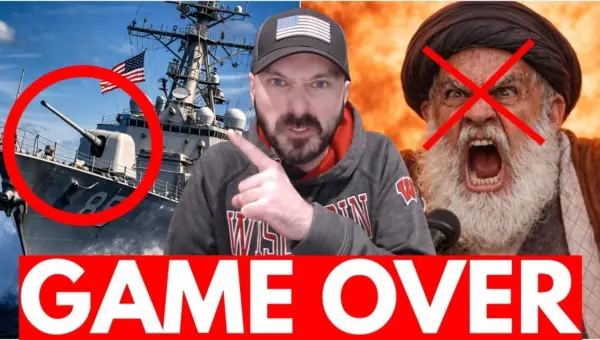
US Blockades Hormuz: War Looms as Iran Threatens to Fire
The U.S. military has imposed a total blockade on the Strait of Hormuz, leading to a dangerous standoff with Iran. This move could see U.S. forces boarding Chinese ships, escalating tensions significantly. Iran has threatened retaliation, raising fears of a wider regional conflict.
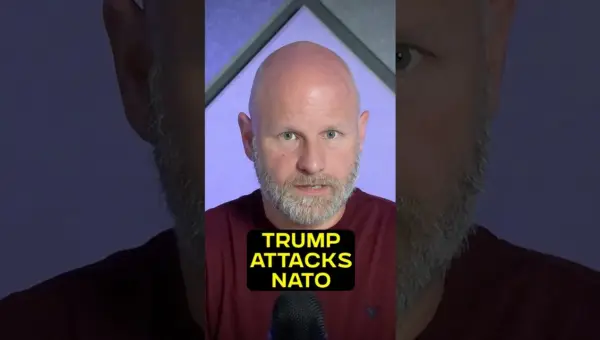
Trump’s NATO Meltdown: Public Rant, Private Plea
Donald Trump is publicly attacking NATO allies while allegedly privately begging them for help with the Strait of Hormuz. This contradictory approach raises concerns about his foreign policy and the future of international alliances.

Trump Accused of War Crimes Amidst Failed Iran Talks
Former President Donald Trump faces accusations of war crimes following the collapse of talks with Iran. Legal experts argue his actions violated international law and ignored allies' calls for a ceasefire, raising serious questions about accountability.