Orban’s Election Defeat Signals Growing Voter Skepticism of Populism
Viktor Orban's 16-year rule in Hungary has ended, signaling a potential shift away from populism as voters grow more skeptical of leaders who fail to deliver on promises. The election outcome has drawn international attention, with implications for European politics and the conflict in Ukraine.

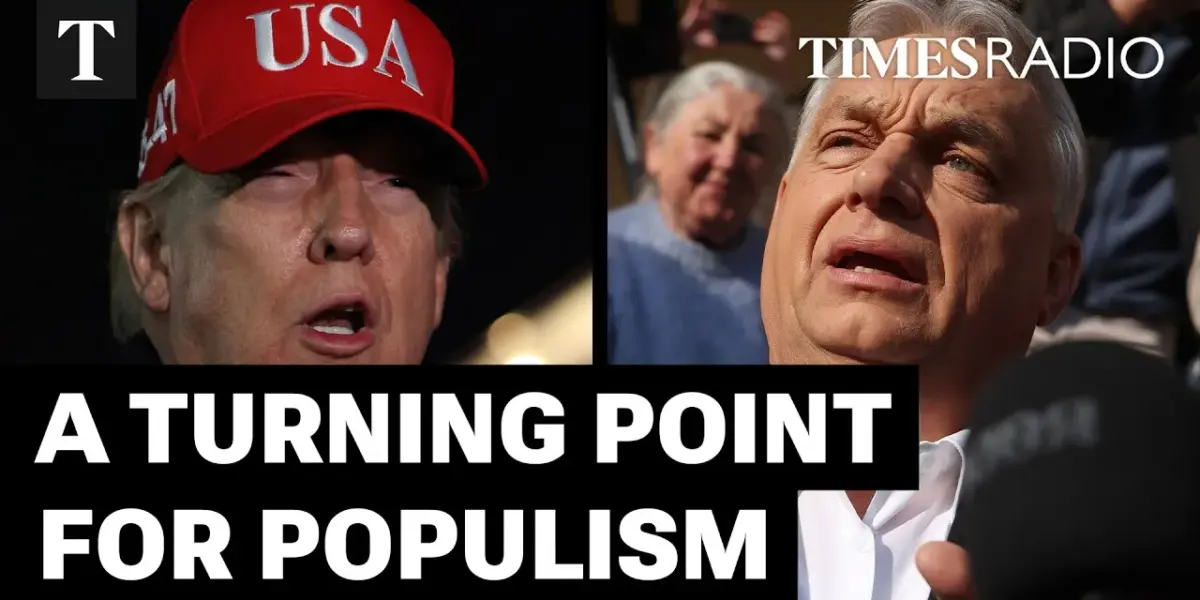
Orban Ousted After 16 Years, Marking a Political Turning Point
In a significant political shift, Hungarian Prime Minister Viktor Orban has been unseated after 16 years in power. Peter Majar, leading a united opposition, secured a victory that has sent ripples across Europe and beyond. This outcome suggests a growing weariness among voters with populist leaders who make bold promises but struggle to deliver.
Voters Demand Action, Not Just Rhetoric
Populist leaders like Orban and former U.S. President Donald Trump often gain power by promising decisive action and offering simple explanations for complex problems. However, the transcript highlights a key reason for their potential downfall: voters eventually realize that these leaders run out of people to blame for unmet expectations. The common denominator, it seems, may not be external forces but the leaders themselves.
Isabel Hardman, a political analyst, noted that voters are becoming more skeptical. They are less willing to accept the straightforward claims made by such leaders at face value. “Ultimately, you elect a populist because you think they’re going to get something done,” Hardman explained. “After a while, it transpires that you’ve run out of people to blame for those things not being done.” This sentiment appears to be a critical factor in Orban’s defeat.
European Leaders Watch Hungary Closely
The election results in Hungary have drawn strong reactions from European leaders. The implications for the ongoing conflict in Ukraine and Hungary’s relationship with Russia are particularly significant. Orban has often been a stumbling block for the European Union, particularly in its efforts to present a united front regarding Ukraine. Majar’s victory could reshape these dynamics.
A Potential Shift in the Global Populist Movement?
Many observers see Orban’s loss as a potential sign that populism, both in Europe and possibly in the United States, is facing a critical juncture. While not necessarily at its end, the movement may be maturing to a point where voters demand more substance. Hardman suggested that this could be a global trend, with leaders like Trump also facing scrutiny over their decisions.
“Voters are just much more skeptical and they’re actually not prepared to take at face value the sort of the primary color assertions that these leaders like Orban, like Trump make.”
The JD Vance Connection and International Influence
The transcript touched upon U.S. political figures, including JD Vance, who had campaigned for Orban. This intervention, which ultimately did not help Orban, raises questions about the effectiveness and perception of foreign political endorsements. Hardman compared it to the Brexit referendum, where external input did not necessarily sway voters.
Vance’s involvement, according to the analysis, suggests an anxiety about maintaining the momentum of the populist political strand in the U.S. There is concern that American voters might start looking for more moderate figures, especially if Trump’s political future becomes uncertain. This underscores the interconnectedness of political trends across the Atlantic.
Lessons for the Center-Right and Opposition Strategies
A key aspect of Orban’s defeat is that he was not ousted by a candidate from the left. Instead, Peter Majar represents a center-right approach, having previously been an associate of Orban. This raises questions about strategies for defeating populist leaders.
Hardman discussed the challenge for opposition parties: how close should they move to populist positions? Being too similar risks voters choosing the original “full fat version.” However, moving too far away might alienate moderate voters who are attracted by some of the populist leader’s more reasonable stances. This presents a difficult calculation for center-right parties and opposition movements globally.
What Comes Next for Hungary and Europe?
While Orban’s defeat is a significant moment, analysts remain cautious about predicting immediate, sweeping changes. History shows that political figures can make comebacks. Hungary remains a democracy, and Orban could potentially stage a return, similar to other politicians who have faced setbacks.
The focus now shifts to how Majar will govern and how his leadership will influence European politics. The coming months will be crucial in understanding the long-term impact of this election on Hungary’s domestic policies, its role within the EU, and its international relations, particularly concerning Ukraine and Russia.
Source: Orbán’s Loss Shows Voters Are Getting Tired Of Populism | Isabel Hardman (YouTube)

Related Articles

Hungary Elects New Leader, Ending Orbán’s Long Rule
Hungary has elected Peter Magyar as its new leader, ending Viktor Orbán's 16-year rule. The shift is seen as a win for the EU and a potential setback for the "MAGA" movement. Meanwhile, former US President Trump's proposal for a blockade on Iran faces international skepticism.

Clinton: Hungary Vote a Win for Democracy, Defeat for Putin
Hillary Clinton views Hungary's recent election as a significant victory for democracy and a defeat for authoritarianism, particularly for Putin and Trump. She stresses the importance of accountability and affordability as key messages for American Democrats going forward. Clinton also critiques Trump's rhetoric and leadership, warning of potential recklessness and advocating for stronger congressional oversight.


Hungary Votes Out Orban; US Navy Blockades Strait of Hormuz
Hungary has voted out long-serving Prime Minister Viktor Orban, signaling a potential shift in European Union dynamics. Meanwhile, the U.S. Navy has imposed a blockade in the Strait of Hormuz following failed nuclear talks with Iran, raising concerns about regional stability and potential escalation.