US Blocks Ships, Iran Threatens; Oil Prices Surge
Talks between the U.S. and Iran to prevent nuclear proliferation failed, leading President Trump to announce a blockade of ships leaving Iranian ports. Global oil prices surged as tensions escalate in the Middle East, with Iran issuing a strong warning against any threats to its ports. The economic impact is expected to hit consumers hard, with rising gas prices and inflation concerns.


US Blocks Ships, Iran Threatens; Oil Prices Surge
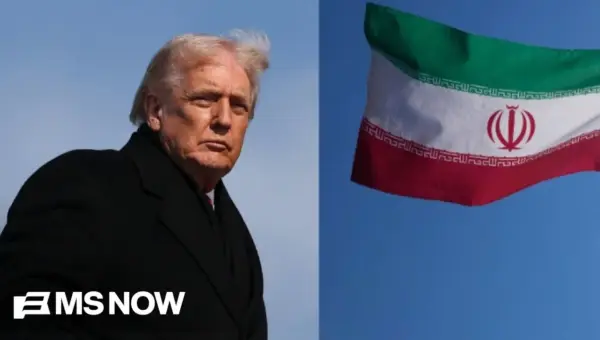
Talks between the United States and Iran aimed at easing tensions and preventing Iran from developing nuclear weapons ended without a deal over the weekend. Following the breakdown, President Donald Trump announced that the U.S. would begin blocking all ships leaving Iranian ports from passing through the Strait of Hormuz, effective Monday morning. This move sent global oil prices surging Sunday night as concerns grow about potential disruptions to vital shipping routes.
Failed Peace Talks in Pakistan
Vice President J.D. Vance led the U.S. delegation at the talks held in Pakistan. After nearly 21 hours of negotiations, both U.S. and Iranian officials stated that significant differences remain. A key sticking point was the U.S. demand that Iran not pursue a nuclear weapon, while Iran maintains its nuclear program is for civilian purposes.
A source familiar with the discussions told NBC News that the talks were not initially expected to last so long. Negotiators had anticipated brief discussions to set up future meetings. However, the negotiations evolved into a marathon session. Vice President Vance stated that the U.S. presented its best and final proposal.
Despite the tough nature of the talks, a U.S. official described the exchange of proposals as friendly and productive by the end. However, this official also noted that, from the U.S. perspective, Iran did not seem to fully grasp the core U.S. mission: that Iran can never obtain a nuclear weapon. This issue was a major focus of discussions over the weekend.
U.S. Implements Strait of Hormuz Blockade
President Trump announced the blockade on his Truth Social platform, criticizing Iran for charging some ships passage fees. He stated that the Navy has been instructed to track down ships that have paid these tolls, warning that “no one who pays an illegal toll will have safe passage on the high seas.” The blockade is set to start at 10:00 AM Eastern time.
The U.S. Central Command clarified that the blockade would affect ships going to and from Iranian ports and coastal areas. Other ships not heading to those specific locations would still be allowed to pass through the Strait. President Trump also mentioned that other countries would assist the U.S. in managing the Strait, though details were not provided.
In response to the U.S. actions, a spokesperson for Iran’s armed forces issued a stern warning: “If Iran’s ports are threatened, no port in the Persian Gulf and Sea of Oman will remain safe.” This raises concerns about potential retaliatory actions and the safety of maritime traffic.
Oil Prices and Economic Impact
Global oil prices surged Sunday night following President Trump’s announcement. West Texas Intermediate crude, used in the U.S., rose about $104 a barrel, while Brent crude reached $102 a barrel. This marks a significant increase, reversing a recent calming trend in oil prices.
Caleb Silver, Editor-in-Chief of Investopedia, explained that the blockade’s impact could extend beyond oil. “Expect higher prices not just for oil but for all the derivatives: gasoline, jet fuel, fertilizer, everything,” he said. Consumers are already feeling the pinch, with the national average for gasoline at about $4.13 a gallon, and higher in western states.
Silver noted that while there’s typically a one-to-two-week delay for oil price changes to affect gasoline prices, the current uncertainty is causing more immediate impacts. The Federal Reserve faces difficult decisions regarding interest rates, especially as consumer sentiment has reached its lowest point, worse than during the pandemic or the Great Financial Crisis, due to worries about rising prices.
Trump-Pope Exchange
In a separate development, President Trump engaged in a public spat with Pope Francis over the conflict and the President’s immigration policies. Trump criticized the Pope on social media, calling him “weak on crime and terrible for foreign policy.” The Pope, who was arriving in Algeria for a tour of Africa, had previously spoken about the dangers of war and the “delusion of omnipotence” without directly naming Trump.
When asked about Trump’s comments, Pope Francis stated, “I have no fear.” He emphasized his commitment to speaking out for peace and justice, regardless of political reactions.
Looking Ahead
The situation remains volatile, with the temporary ceasefire between the U.S. and Iran set to expire on April 22nd. Both sides appear to be increasing pressure on each other, raising the possibility of renewed military action if a diplomatic solution cannot be found. The upcoming days will be crucial in determining whether the Strait of Hormuz remains a secure passage for global commerce and how the ongoing tensions will affect international markets and consumer prices.
Source: LIVE: NBC News NOW – April 13 (YouTube)

Related Articles
Trump Threatens 50% Tariffs on China Over Iran Support
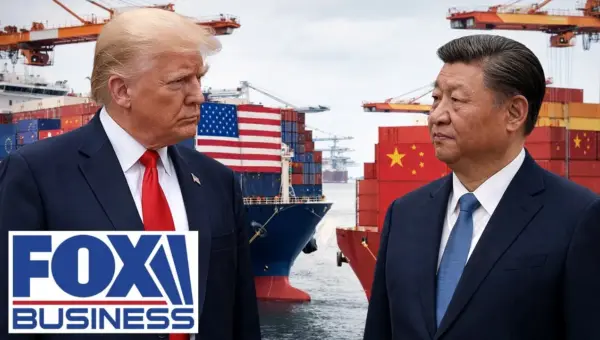
Former President Donald Trump has issued a stark warning to China, threatening a 50% tariff if Beijing supplies military equipment to Iran. The interview also highlighted U.S. energy dominance and criticized NATO allies for their perceived lack of support.
US Navy Blockades Strait of Hormuz Amid Global Tensions
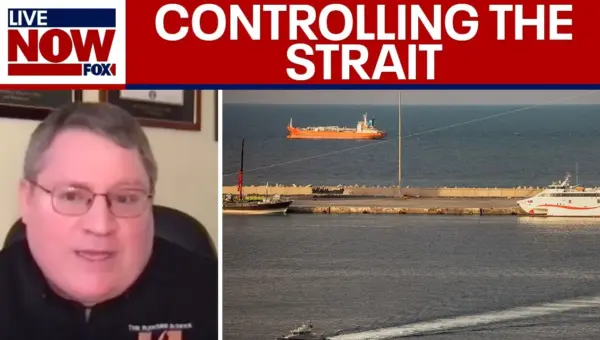
The US Navy has initiated a blockade of the Strait of Hormuz, a vital global shipping lane, in response to Iran's actions. This move is already impacting global oil prices and prompting international coalitions to form for maritime security. The situation remains tense, with a focus on diplomatic solutions and ensuring freedom of navigation.
Polls Show Americans Concerned Over Iran War, Trump Approval Dips
New polls show growing American concern over the Iran conflict and its economic impact, with President Trump's approval rating dipping. A failure to clearly communicate the rationale for U.S. involvement and ongoing issues with the Strait of Hormuz are contributing factors. The administration faces a difficult choice between withdrawal, risking regional instability, and continued engagement, which could keep gas prices high heading into the midterm elections.