Ukraine’s Drones Disrupt Russian Oil, Forge Gulf Ties
The conflict in the Persian Gulf has caused a major oil shortage, boosting prices and creating new challenges for Russia. Meanwhile, Ukraine's advanced drone technology, funded by Gulf investments, is disrupting Russian oil exports and forging new international partnerships.


Ukraine’s Drones Disrupt Russian Oil, Forge Gulf Ties
The ongoing conflict in the Persian Gulf has created a major oil shortage, impacting global energy markets. This disruption is reshaping alliances and creating unexpected opportunities for countries like Ukraine, while presenting new challenges for Russia.
Oil Markets Reel from Persian Gulf Disruption
The region, which once exported 22 million barrels of crude oil daily, is now producing far less. Estimates suggest a shortage of 400 to 450 million barrels that have not reached the market. Some of this lost production is expected to remain offline for at least nine months after fighting stops. For Iraqi oil fields, this could mean over two years before production fully recovers. These are not quick fixes like shale oil wells; once shut down, they take a long time to restart.
This reduction in oil supply is beginning to push oil prices higher. It took weeks for the last oil tankers, loaded before the conflict, to reach their destinations in Northeast Asia and Western Europe. What started as a problem with getting oil out is now becoming a problem with the total amount of oil available. This will affect many industries worldwide.
Russia’s Oil Windfall Turns Sour
Early in the conflict, many believed Russia would profit greatly from rising oil prices. With oil costing over $100 a barrel, and Russia’s production costs between $30 and $50, their profits surged. This increased income was expected to fund Russia’s war efforts, especially since China requires hard currency for military equipment, which Russia could earn through oil sales.
However, this situation has taken an unexpected turn. While Russia is still involved in providing intelligence and hardware to Iran to target U.S. forces, Ukraine has developed new drone technology. These drones, with longer ranges, have successfully targeted Russia’s oil export facilities in the Baltic Sea. This has removed about 1.5 to 2 million barrels a day from Russian exports.
Russia lacks alternative pipeline systems to easily reroute this oil. What was seen as a huge financial gain is now a major problem for their oil exports. Experts predict that within three months, meaningful Russian oil exports from the Baltic and Black Seas could largely cease if Ukraine continues its drone attacks.
Ukraine’s Drone Innovation and Gulf Investment
The past year has seen Ukraine innovate significantly in drone technology, particularly in countering enemy drones. They have developed systems like the “Brave One,” which is portable and costs only $2,000 to $3,000 to produce. This is vastly cheaper than military-grade drones or missile defense systems.
Ukraine’s challenge has not been invention, but funding the production of these new technologies. Much of their expanded industrial capacity has been idle due to a lack of money. Now, Ukrainian President Zelensky has been actively signing multi-billion dollar deals with countries like Kuwait, Qatar, the United Arab Emirates, Saudi Arabia, and the UAE to invest in drone production.
The oil-rich Gulf states, with ample financial resources, are providing the necessary capital. This investment will boost Ukraine’s defense capabilities against Russia. Simultaneously, it will allow these Gulf states to build their own drone manufacturing facilities and counter-drone capabilities.
A New Geopolitical Alignment Emerges
This situation creates a new dynamic where countries not previously considered leaders in military technology are now at the forefront. The United States is not directly involved in or benefiting from this burgeoning drone industry.
The most significant impact of Russia’s alliance with Iran is that it has prompted Persian Gulf nations to reconsider their relationship with both Russia and the United States. This echoes a historical event in 1985 when Saudi Arabia increased oil production to pressure the Soviet Union.
Today, a similar, though different, alliance is forming. Instead of the United States pushing against the Soviet Union, it’s Ukraine, backed by European support, challenging Russia. This developing alignment of interests looks increasingly unfavorable for Russia in the long term. These geopolitical shifts were not widely predicted just a few months ago.
Global Impact
The disruption in the Persian Gulf has triggered a global energy crisis, leading to higher oil prices. This affects transportation costs, manufacturing, and inflation worldwide. Russia’s reduced oil export capacity, due to Ukrainian drone strikes, weakens its economic leverage and its ability to fund its military operations.
Ukraine’s successful development and export of drone technology, coupled with Gulf investment, strengthens its defensive capabilities and creates a new economic lifeline. This also positions Ukraine as a significant player in the global defense industry. The Gulf states are diversifying their security partnerships and enhancing their own defense manufacturing, reducing reliance on traditional suppliers.
This period marks a significant shift in global power dynamics. The conflict has accelerated the development of new military technologies and fostered new geopolitical alignments, potentially altering the international order for years to come.
Source: Winners and Losers of the Iran War: Ukraine and Russia || Peter Zeihan (YouTube)

Related Articles
Trump Threatens 50% Tariffs on China Over Iran Support
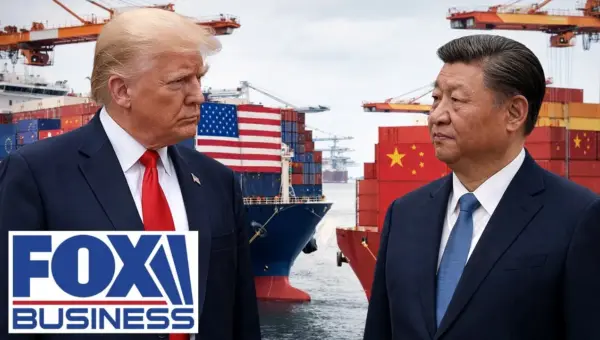
Former President Donald Trump has issued a stark warning to China, threatening a 50% tariff if Beijing supplies military equipment to Iran. The interview also highlighted U.S. energy dominance and criticized NATO allies for their perceived lack of support.

US Navy Blockades Strait of Hormuz Amid Global Tensions
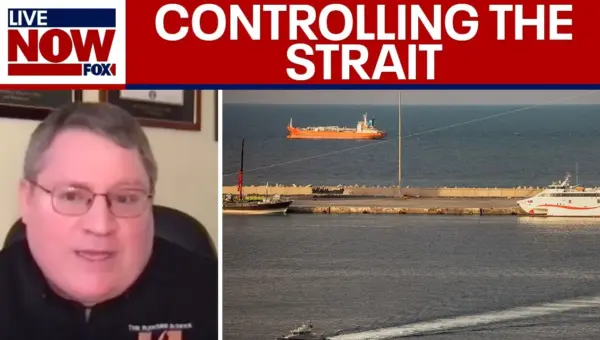
The US Navy has initiated a blockade of the Strait of Hormuz, a vital global shipping lane, in response to Iran's actions. This move is already impacting global oil prices and prompting international coalitions to form for maritime security. The situation remains tense, with a focus on diplomatic solutions and ensuring freedom of navigation.


Global Tensions Shake Crypto Markets
Global geopolitical tensions and worsening economic conditions are directly influencing cryptocurrency market flows, with energy prices playing a central role. Escalating conflicts and potential trade disruptions could trigger rapid and significant price drops across digital assets, making market participants increasingly cautious.