US Strait Blockade Risks China Clash, Ex-NSA Warns
A former U.S. National Security Agency official warns that the U.S. military's blockade of Iranian ports risks escalating tensions, particularly with China. Cedric Leighton highlighted the operational difficulties and the potential for dangerous encounters between U.S. naval forces and Chinese oil tankers in the Strait of Hormuz.

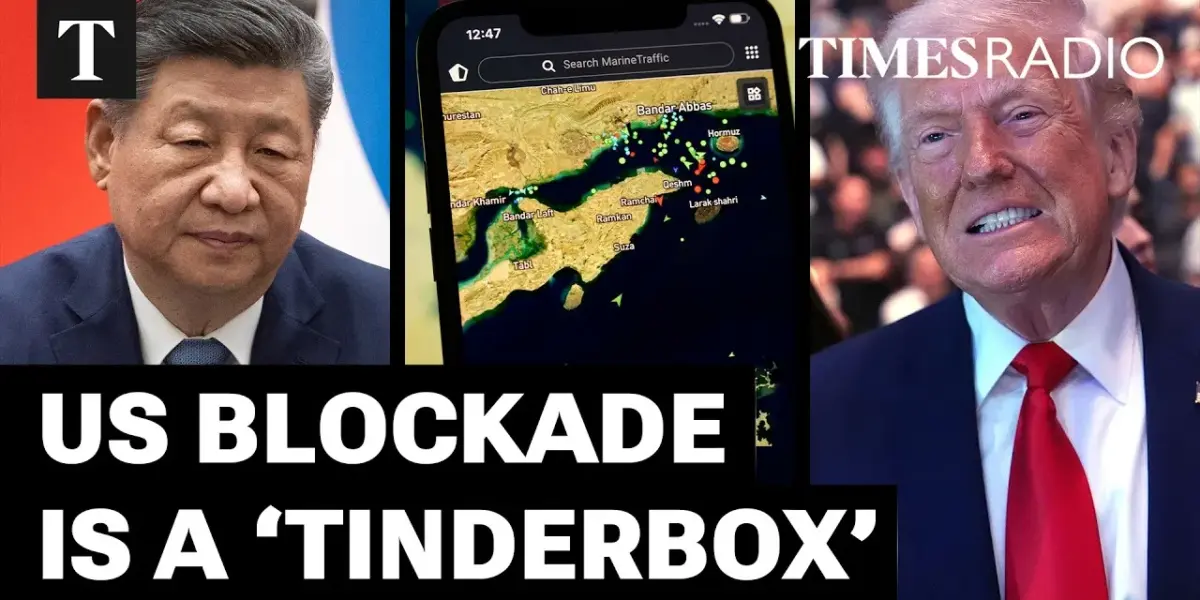
US Tightens Strait of Hormuz Control, Risks Escalation
The United States military has announced it will begin a blockade of Iranian ports, a move experts warn could escalate tensions in a critical global shipping route. While the U.S. states it will not impede vessels from other nations passing through the Strait of Hormuz, the operation raises concerns about unintended consequences, particularly for China.
Operational Challenges of a Blockade
Cedric Leighton, former Deputy Director at the National Security Agency and U.S. Air Force Colonel, highlighted the immense operational difficulties of enforcing such a blockade. “It’s going to be really difficult,” Leighton stated. He explained that controlling the strait would require a significant naval presence, potentially including “at least 20 or so destroyers, probably more” spread across the Arabian Sea and the Persian Gulf.
Furthermore, Leighton noted the necessity of at least one, preferably two, carrier battle groups. Managing the daily flow of an average of 135 ships passing through the strait before recent conflicts would be a “tall order.” The operation also involves the complex task of ensuring the strait is free of mines, a tactic Iran has previously used. “Operationally it’s not quite clear exactly how they’re going to make this happen,” he observed.
Closing vs. Opening the Strait
Leighton suggested that closing the strait is simpler than opening it. “It’s easier to close I think,” he said, explaining that the mere threat of mines, missiles, and drone attacks, which Iran has employed, can effectively deter shipping. The goal of reopening the strait to commerce, especially for non-Iranian traffic, is complicated by the broad nature of such blockades.
The current strategy, though a step down from previous threats to block all ships, still presents challenges. Leighton pointed out that the free flow of commerce should be allowed, but the U.S. approach might not distinguish effectively between Iranian and international vessels, potentially creating friction.
China as a Flashpoint
A major concern is the potential for confrontation with China. Approximately 40% of China’s oil supply comes from the Persian Gulf region. Leighton warned, “It would be highly likely that there would be some kind of an encounter between the Chinese a Chinese tanker and the US Navy.” Such an incident, if not handled carefully, “could result in a major escalation of this conflict.”
With Presidents Xi Jinping and Donald Trump scheduled to meet soon, Leighton described the situation as a “tinderbox.” The rules of engagement for U.S. forces encountering Chinese state-connected vessels are unclear. Leighton speculated that boarding or turning back a Chinese tanker could create significant tensions, especially since there appears to be no clear mechanism for de-escalation in such scenarios.
Diplomatic Goals and Potential Outcomes
Leighton believes President Trump’s primary goal is to bring Iran back to the negotiating table, viewing it as a key objective. However, he expressed doubt that this approach would force Iran to give up its nuclear ambitions or its ability to control the Strait of Hormuz. “That’s a very very tall order for him to achieve any of that,” Leighton commented.
He suggested that the most realistic win for the United States would be to maintain the status quo, keeping the Strait of Hormuz open to international commerce as it was before recent conflicts. However, he described this as a “bizarre win” because it merely returns to a prior state without representing significant progress.
Pessimism on Resolution
Leighton expressed pessimism about achieving a clean resolution in the near future. He noted that past negotiations, including those involving Vice President Pence, were cut short prematurely. “It seems to me based on at least what the reporting is that they were cut prematurely short and that is a significant problem,” he said.
While acknowledging that the Iranians are difficult negotiators, Leighton stressed the need for a strong diplomatic approach. He felt that this element was lacking in previous attempts to resolve the issues surrounding Iran’s nuclear program and regional activities. The current U.S. strategy, he concluded, might increase tensions rather than foster a diplomatic breakthrough, especially given the potential for clashes with major powers like China.
Source: US Blockade of Hormuz Strait A ‘Tinderbox’ For Encounter With China | Former US NSA Deputy Director (YouTube)

Related Articles
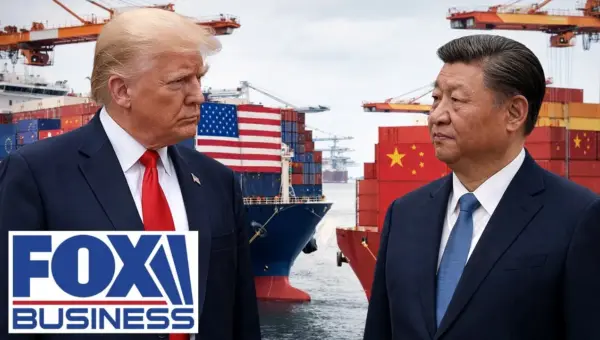
Trump Threatens 50% Tariffs on China Over Iran Support
Former President Donald Trump has issued a stark warning to China, threatening a 50% tariff if Beijing supplies military equipment to Iran. The interview also highlighted U.S. energy dominance and criticized NATO allies for their perceived lack of support.
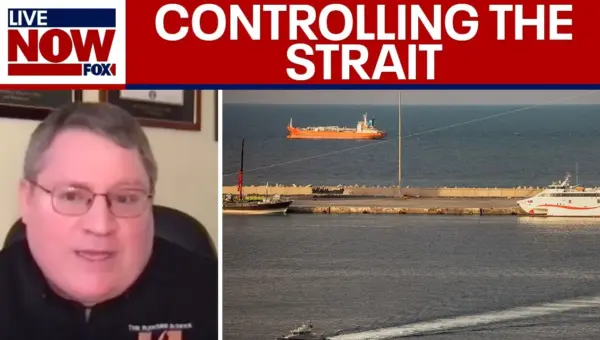
US Navy Blockades Strait of Hormuz Amid Global Tensions
The US Navy has initiated a blockade of the Strait of Hormuz, a vital global shipping lane, in response to Iran's actions. This move is already impacting global oil prices and prompting international coalitions to form for maritime security. The situation remains tense, with a focus on diplomatic solutions and ensuring freedom of navigation.
Polls Show Americans Concerned Over Iran War, Trump Approval Dips
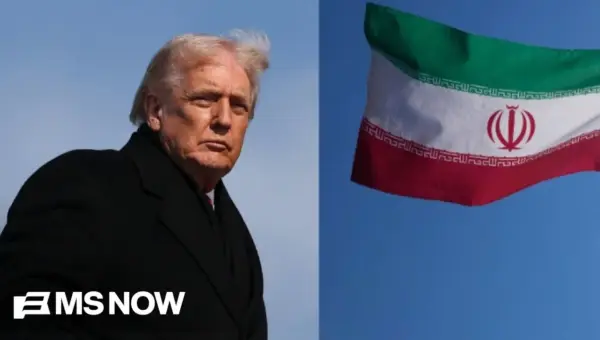
New polls show growing American concern over the Iran conflict and its economic impact, with President Trump's approval rating dipping. A failure to clearly communicate the rationale for U.S. involvement and ongoing issues with the Strait of Hormuz are contributing factors. The administration faces a difficult choice between withdrawal, risking regional instability, and continued engagement, which could keep gas prices high heading into the midterm elections.