Ukraine Strikes Cripple Russia’s War Chest
Ukraine's targeted strikes on Russian oil and gas infrastructure are severely damaging Moscow's war funding capabilities. Analyst Jason J. Smart notes these attacks cripple Russia's economy, making it difficult to sustain the conflict and potentially destabilizing the Putin regime. Peace talks remain stalled due to Russian maximalist demands.

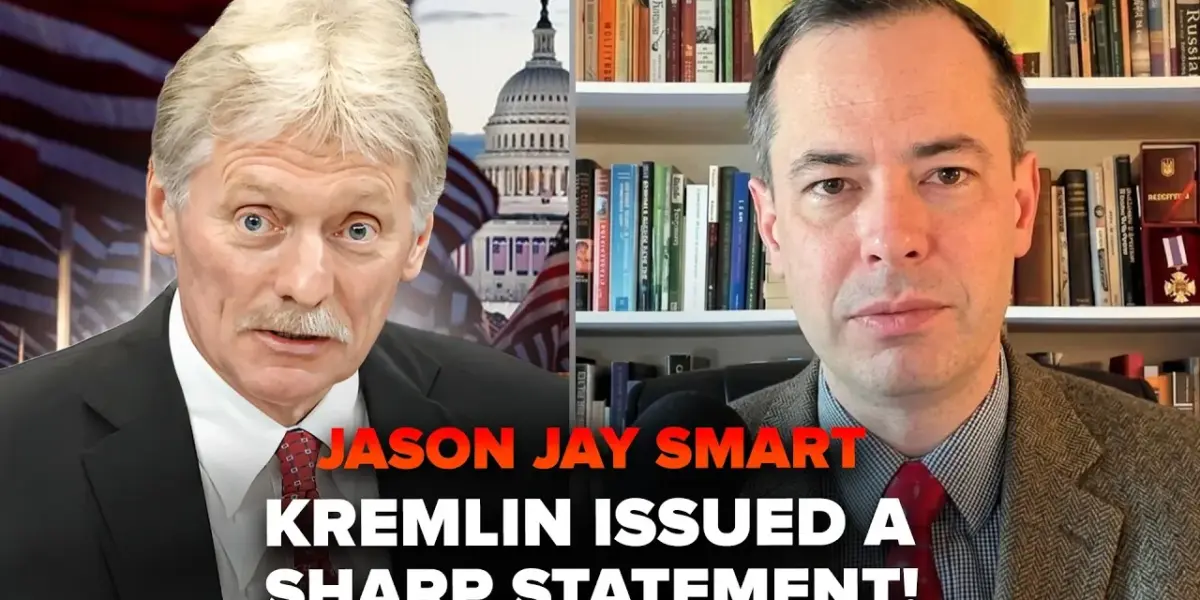
Ukraine Strikes Cripple Russia’s War Chest
Kyiv’s campaign targeting Russia’s energy infrastructure is severely damaging Moscow’s ability to fund its war, according to defense analyst Jason J. Smart. Recent Ukrainian attacks have taken offline over 40% of Russia’s oil exports in just one week. This strategy aims to undermine the Putin regime by hitting critical economic nodes that are difficult for Russia to replace or repair.
Russia’s Budget Under Strain
Russia is facing significant financial difficulties, with growing federal deficits making it hard to balance the budget. Pensions are reportedly only 70% funded, and deep cuts are being made to essential services like the police and healthcare. Even vital infrastructure like the rail system is suffering, with thousands of employees being laid off due to an inability to meet payroll. These economic pressures suggest Russia is struggling to sustain its war effort.
Strategic Attacks Target Key Infrastructure
Ukraine’s strategy focuses on hitting Russia’s most vital and irreplaceable assets. Attacks on facilities in cities like Usolye, Poronaysk, and Novorossiysk have directly impacted oil and gas export capabilities. These strikes are designed to inflict maximum damage on Russia’s economy, making it increasingly difficult for Moscow to continue its military operations. The goal is to push the Putin regime into a position where it faces internal challenges, potentially leading to its downfall.
Peace Talks Stall Amid Russian Demands
Diplomatic efforts to end the conflict remain stalled, with Russia continuing to present maximalist demands. According to intelligence assessments from both the US and Europe, Russia is not serious about negotiations and wishes to prolong the war. Moscow’s objective appears to be using potential talks to pressure the United States into convincing Ukraine to cede territory. However, Ukraine is unwilling to give up land to an aggressor, especially while Russia is demonstrably weakening economically and militarily.
US Role in Negotiations Questioned
While the US has been involved in discussions, its focus has shifted to other global priorities, such as the situation in Iran. This has sidelined its role in facilitating Russia-Ukraine peace talks. Some analysts suggest that Russia is attempting to manipulate the US into pressuring Kyiv. There are also concerns about the US White House’s influence and its continued operation against perceived American interests, particularly regarding Iran’s actions in the Middle East.
Ukraine’s Drone Technology Gains International Traction
Ukraine’s advancements in drone technology and its battlefield experience are drawing international attention. Military experts are working in regions like the Middle East, potentially opening doors for new partnerships. These collaborations could provide Ukraine with crucial support in its ongoing conflict with Russia. Such international engagement highlights the growing demand for Ukraine’s military expertise and technological capabilities.
Broader Geopolitical Concerns
The conflict’s impact extends beyond the immediate battlefield. There are warnings that Russia might be preparing for provocations in the Baltic states, raising concerns about a broader escalation involving NATO. While some express a low probability of a full-scale attack, the possibility of limited incursions into NATO territory exists. Such actions could serve to distract or create instability, though they might also backfire, potentially weakening Putin’s narrative and accelerating his downfall.
Strategic Implications
Ukraine’s strategy of targeting Russia’s economic lifelines, particularly its oil and gas exports, is proving effective. By crippling Russia’s ability to finance the war, Kyiv aims to force Moscow to the negotiating table from a position of weakness. The economic strain on Russia is significant, impacting its budget, social services, and military capacity. This approach suggests a shift from purely battlefield gains to a more comprehensive strategy of economic attrition, designed to destabilize the Russian regime itself.
“Russia today is truly in a difficult position. Uh its federal deficits are growing. We see that increasingly is not able to balance a budget for even basic things.”
What This Means on the Ground
For Ukraine, maintaining the pressure on Russia’s energy sector is crucial. It weakens Russia’s war-making potential and strengthens Ukraine’s negotiating position. The economic damage inflicted on Russia could lead to internal dissent and further undermine Putin’s authority. For Russia, the continued strikes mean escalating economic hardship, potential cuts to military spending, and a growing inability to sustain the conflict long-term. The focus on irreplaceable nodes means that even a few successful strikes can have a lasting impact.
Source: ⚡️Kremlin taken an extreme step! Peskov addressed Kyiv. Putin’s regime crumbling (YouTube)

Related Articles

Trump Orders Strait of Hormuz Blockade: Oil Prices Surge
President Trump has ordered a U.S. naval blockade in the Strait of Hormuz, citing Iran's nuclear ambitions and failure to reach a deal in recent talks. The move sent oil prices surging, with Brent crude up over 7% and WTI crude up 8%. Financial markets opened lower amid the heightened geopolitical tensions.

Iran Conflict Shifts Global Alliances, Reshapes World Order
A new analysis of the Iran conflict reveals significant geopolitical shifts, with the U.S. focusing on strategic goals like crippling Iran's missile program rather than regime change. The report highlights Saudi Arabia's role, questions media narratives, and details economic and alliance gains for the U.S. It also explores internal U.S. political divisions and the immigration debate.

Ukraine’s Drones Disrupt Russian Oil, Forge Gulf Ties
The conflict in the Persian Gulf has caused a major oil shortage, boosting prices and creating new challenges for Russia. Meanwhile, Ukraine's advanced drone technology, funded by Gulf investments, is disrupting Russian oil exports and forging new international partnerships.