Trump Orders Strait of Hormuz Blockade After Talks Fail
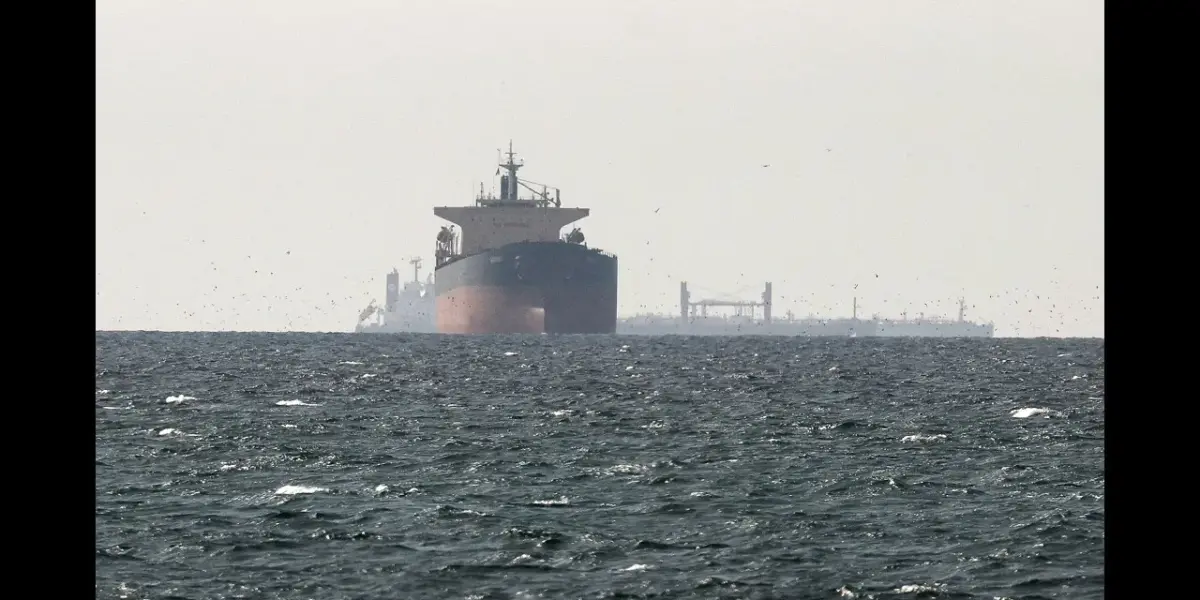
President Trump has ordered a US Navy blockade of the Strait of Hormuz after peace talks with Iran failed. The move aims to prevent Iran from developing nuclear weapons and stops ships paying illegal tolls. This escalates regional tensions significantly.

Trump Orders Strait of Hormuz Blockade After Talks Fail
President Trump has announced a significant naval action: the United States Navy will blockade the Strait of Hormuz. This decision follows the collapse of recent peace talks with Iran. The move signals a sharp escalation in tensions between the two nations.
Peace Talks End Without Agreement
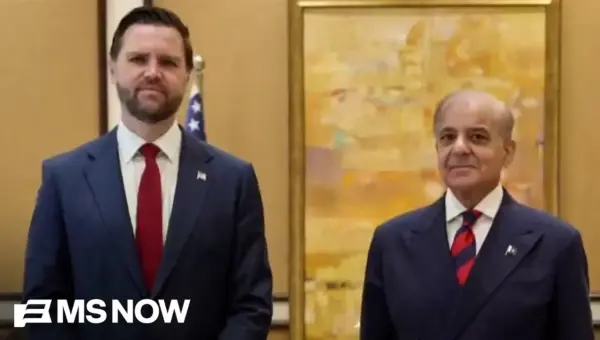
Negotiations aimed at de-escalating the conflict with Iran lasted for 21 hours over the weekend. The talks took place in Pakistan and involved high-level US representatives. These included Vice President JD Vance, advisor and son-in-law Jared Kushner, and Middle East envoy Steve Witkoff. Despite the lengthy discussions, a deal was not reached. President Trump stated that while the US was well-represented, a key issue remained unresolved. The sticking point was Iran’s continued pursuit of nuclear weapons, something President Trump has opposed for decades.
Naval Blockade and Tolls
Following the failed negotiations, President Trump declared on Truth Social that the US Navy would immediately begin blockading the Strait of Hormuz. This blockade will affect all ships attempting to enter or leave the vital waterway. Other countries are expected to assist in this operation. President Trump also addressed Iran’s potential use of mines in the Strait, stating that the US would neutralize them. Furthermore, Iran had proposed charging ships tolls for safe passage. President Trump outlined a plan to counter this. He instructed the US Navy to intercept any vessel in international waters that has paid a toll to Iran. Ships paying such tolls will not be guaranteed safe passage on the high seas.
Background: Ceasefire and Threats
This decisive action comes shortly after President Trump announced a two-week ceasefire in the Iranian conflict the previous Tuesday. In a previous interview, he described the recent negotiations as intensive. He noted that the talks became friendly towards the end, and most US objectives were nearly met. However, Iran’s refusal to abandon its nuclear ambitions remained the critical obstacle. When asked about potential consequences if Iran continues its nuclear development, President Trump indicated further destructive action would follow. This aligns with earlier statements where he hinted at severe consequences for Iran’s actions.
Why This Matters
The Strait of Hormuz is a critical chokepoint for global oil transport, with a significant portion of the world’s oil passing through it daily. Any disruption or blockade here can have immediate and far-reaching effects on global energy markets, potentially leading to price spikes and supply shortages. The US blockade signals a firm stance against Iran’s nuclear program and its regional activities. It also underscores the US commitment to maintaining freedom of navigation in international waters. This move could further destabilize an already volatile region, with potential implications for international relations and global trade.
Implications and Future Outlook
The blockade of the Strait of Hormuz is a serious escalation. It could lead to direct confrontation between the US and Iran, or its allies. The involvement of other countries in the blockade is a key point to watch. If successful, it could cripple Iran’s economy and force it back to the negotiating table. However, it also carries significant risks. Iran could retaliate by disrupting oil shipments itself or targeting US interests. The international community will likely be divided on this action, with some supporting the US stance and others concerned about the potential for wider conflict. The future outlook depends heavily on Iran’s reaction and the effectiveness of the blockade.
Historical Context
The Strait of Hormuz has long been a strategically important and often contentious waterway. Throughout history, control of this passage has been a source of geopolitical tension. In recent decades, the US Navy has maintained a strong presence in the Persian Gulf to ensure the free flow of oil. Iran has, at times, threatened to close or disrupt shipping through the strait, especially during periods of heightened tension or conflict. Previous incidents, such as attacks on oil tankers, have led to increased naval patrols and diplomatic efforts to prevent escalation. This current situation echoes past standoffs, but the explicit announcement of a blockade represents a significant shift in US policy.
Source: US to Blockade Strait of Hormuz After US–Iran Talks End Without Deal, Trump Says (YouTube)

Related Articles
Trump Warns China: 50% Tariffs Loom for Iran Arms Support
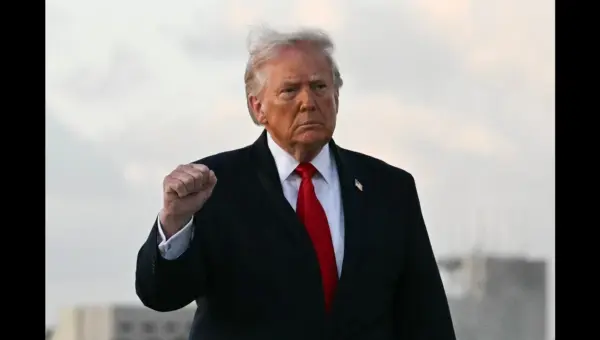
President Trump has threatened China with 50% tariffs if it supplies weapons to Iran, citing U.S. intelligence reports of impending air defense system shipments. This move could severely impact U.S.-China relations, especially with a high-level meeting scheduled for May. The situation underscores China's complex role in balancing regional stability with its economic interests.

Ukraine Strikes Deep; Russian State TV Rages
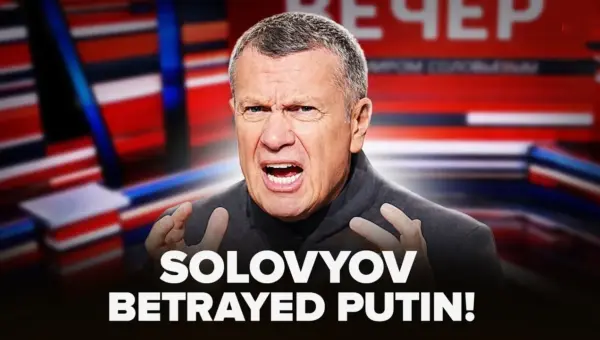
Ukrainian drones are increasingly striking deep inside Russia, hitting vital oil infrastructure over 1,000 kilometers away. This escalates battlefield reality, met with furious rhetoric on Russian state TV, where commentators like Vladimir Solovyov shift from threats to frustrated demands for action.

Oil Prices Soar Past $100 After US Announces Iranian Port Blockade
Global oil prices surged past $100 a barrel following a U.S. Navy announcement of a blockade on Iranian ports. The move comes after 21 hours of stalled negotiations, with experts questioning the effectiveness of the U.S. strategy. The standoff raises concerns about economic stability and potential international repercussions.