Ukraine Strikes Deep; Russian State TV Rages
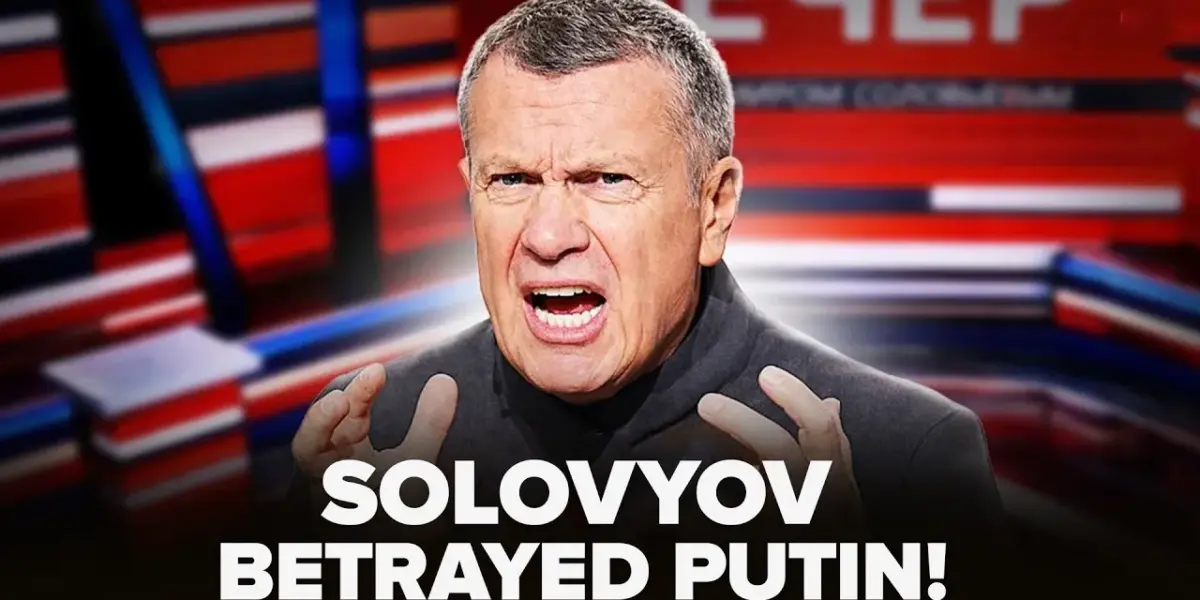
Ukrainian drones are increasingly striking deep inside Russia, hitting vital oil infrastructure over 1,000 kilometers away. This escalates battlefield reality, met with furious rhetoric on Russian state TV, where commentators like Vladimir Solovyov shift from threats to frustrated demands for action.

Ukraine Strikes Deep; Russian State TV Rages
Ukrainian drones are increasingly striking deep inside Russian territory, hitting crucial oil facilities. These attacks, some reaching over 1,000 kilometers from Ukraine’s border, are targeting infrastructure vital to Russia’s war effort. Facilities in the Leningrad region, including the Kirishi oil refinery and the port of Primorsk, have been hit. A recent strike targeted an oil terminal at the port of Ust-Luga on the Baltic Sea. Another facility in Ufa, about 1,400 kilometers from Ukraine, was also targeted. The expanding geography of these strikes suggests Ukraine’s growing reach and Russia’s difficulties in defending its territory.
Propaganda Studio Echoes Battlefield Reality
The increased Ukrainian strikes are met with escalating rhetoric on Russian state television. Host Vladimir Solovyov, a prominent pro-Kremlin commentator, has been particularly vocal. His broadcasts show a shift from confident pronouncements to frustrated demands for action. Solovyov openly questions Russia’s response to these attacks, asking about clear plans and retaliatory strikes. He highlights a perceived lack of effective counter-measures, noting that significant retaliatory actions would be widely known if they occurred.
“History never records whether you were this way or not. What matters is whether you are the winner or not.”
This sentiment reflects a growing concern within Russian media about battlefield outcomes. While Russia continues its own strikes against Ukraine, targeting civilian areas and infrastructure, the effectiveness of these actions is being contrasted with the deep penetration of Ukrainian drones. Russian state media is forced to acknowledge these strikes, linking them to resources that sustain the war. This creates a different kind of pressure on Russia, prompting calls for action without clear solutions.
Shifting Rhetoric and Escalation Calls
The tone on Russian state media is becoming more agitated. Solovyov has moved beyond routine threats, discussing scenarios where Ukrainian ballistic missiles could reach Moscow. He frames this not as fiction, but as a realistic possibility. The proposed responses often involve escalation, including strikes against the West and attacks on military vessels. The message conveyed is that Russia needs to be feared, not liked. However, this call for escalation appears contradictory given that Ukrainian drones are already hitting Russian infrastructure.
There is also speculation within these studios about unlikely alliances. Solovyov has discussed scenarios where Russia and the United States might jointly act against Europe. This suggests a departure from previous narratives that framed the U.S. as a primary adversary. The claims made often seem detached from the reality on the ground, where more fundamental challenges remain unresolved.
Targeting Infrastructure vs. Civilian Areas
A clear contrast is emerging between the targets of each side. Ukraine is increasingly hitting energy infrastructure and oil facilities, directly impacting Russia’s ability to fund and sustain the war. Russia, on the other hand, continues to target civilian areas and infrastructure in Ukraine. This approach is seen as an attempt to compensate for a lack of significant battlefield gains. The Ukrainian strikes are directly affecting the cost for Russia to continue the conflict. Some commentators on Russian state TV even suggest that striking targets in the Baltics could deter further Ukrainian attacks, implying a Russian failure to act decisively earlier.
Criticism of Russian Officials and Economy
Amidst the heightened rhetoric, there is also internal criticism of Russian officials and the economy. Solovyov has criticized officials for failing to maintain the economy, especially in the context of Western sanctions. The argument is made that the current economic difficulties are a result of decisions made by leadership, exacerbated by sanctions. Despite these internal issues, the focus on external enemies and aggressive rhetoric continues, with little mention of peace talks.
Elon Musk and Starlink Under Fire
Elon Musk and his Starlink satellite internet service have also become a target of Russian state media. Previously praised, Musk is now being criticized for allegedly enabling Ukrainian drone attacks on Russian territory. Studios that once lauded him now call him a “killer” whose hands are covered in blood. This shift highlights how narratives can change rapidly within Russian propaganda, depending on perceived strategic needs.
Medvedev’s Threats and Anti-EU Stance
Former Russian President Dmitry Medvedev has also issued new threats against Russia’s neighbors. He has expressed opposition to Ukraine’s potential membership in NATO and the European Union. Medvedev views the EU’s rearmament after Russia’s 2022 invasion as a direct threat. He describes the EU as a potential hostile military alliance, accusing Europeans of “Russophobia.” This stance reinforces Russia’s opposition to Ukraine’s independent path and its integration with Western structures.
Propaganda’s Goal: Occupation and Destruction
The overarching goal of Russian propaganda, as presented in these broadcasts, remains the occupation and destruction of Ukraine. The shouting, dramatic posturing, and elaborate scenarios are seen as a means to legitimize these objectives and influence public opinion. Despite the claims of impending victory or strategic superiority, the reality of Ukrainian drone strikes deep within Russia suggests a different battlefield dynamic. The conflict continues, with Ukraine demonstrating its ability to inflict costs on Russia’s war-sustaining infrastructure.
Source: 🔥Shouting in Solovyov’s studio! Reaction to Russia’s defeat. Moscow acknowledged Kyiv’s victory (YouTube)

Related Articles
Oil Prices Soar Past $100 After US Announces Iranian Port Blockade
Global oil prices surged past $100 a barrel following a U.S. Navy announcement of a blockade on Iranian ports. The move comes after 21 hours of stalled negotiations, with experts questioning the effectiveness of the U.S. strategy. The standoff raises concerns about economic stability and potential international repercussions.
Iran Oil Blockade Tightens, Shifting Global Energy Markets
A stringent blockade on Iran's oil sales is tightening, significantly impacting global energy markets and exerting economic pressure on Tehran. The move, led by the U.S., aims to curb Iran's nuclear ambitions and regional influence, while also sparking debate about international alliances and energy independence.


China Faces Tariff Threat Over Iran Arms Aid
President Trump is threatening China with a 50% tariff on all goods if Beijing provides military assistance to Iran. U.S. intelligence reports allege China is sending shoulder-fired missiles to Tehran. This move escalates U.S.-China tensions and has significant global economic and security implications.