Democrats Pivot to Tax Cuts Before Election
Democrats are shifting their strategy by proposing income tax exemptions ahead of the election season, aiming to appeal to working-class voters. This move sparks debate about funding government programs and the role of taxation in national fiscal health.

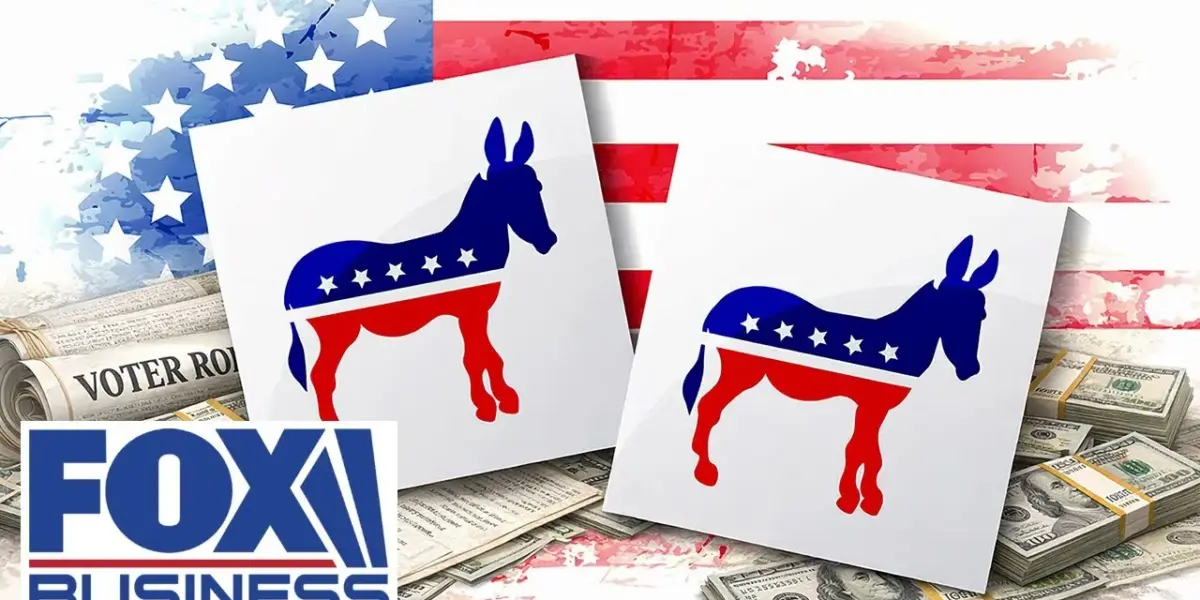
Democrats Embrace Tax Cuts in Pre-Election Strategy Shift
In a surprising turn of events just before the election season heats up, a growing number of Democrats are pushing for income tax exemptions. This move marks a significant pivot for a party often associated with higher taxes and increased government spending. The goal appears to be reconnecting with working-class voters who may feel overlooked by traditional progressive policies.
This shift is notable given the party’s recent emphasis on policies like a $30 minimum wage and expanding estate taxes. Now, some ambitious Democrats are campaigning on tax relief, a strategy that raises questions about their core principles. The idea of hiking taxes on the wealthy has long been a cornerstone of progressive platforms. However, the definition of ‘rich’ and the proposed tax thresholds are often lower than many expect.
The Challenge of Funding Big Government
The underlying issue, critics argue, is the difficulty in funding extensive government programs solely through taxes on the wealthy. When tax revenues fall short of ambitious spending plans, working-class citizens, who voted for these programs, may not see the promised benefits. This can lead to disappointment and a feeling of alienation among voters.
The party of more government is running on tax cuts. It’s a bit like the Twilight Zone.
This dynamic has led some Democrats to explore the other side of the coin – tax relief – as a means to gain electoral support. The challenge lies in balancing the desire for government-provided services with the practicalities of funding them. For small business owners and those in blue-collar trades, the primary concerns often revolve around the cost of goods, insurance, and energy prices, rather than their specific tax bracket.
Focus on Core Economic Stability
Many business owners who invest in essential trades highlight that true relief comes from stable energy prices and reduced regulatory burdens. While tax exemptions are a start, they are not a complete strategy. The focus, they argue, should be on the fundamental elements that keep the country running and stable. This allows businesses to operate effectively and serve their customers.
An example from California illustrates this debate. Candidate Katie Porter, a former Democratic Congresswoman, is proposing policies that could lead to big businesses leaving the state. The question of how to fund such initiatives, especially when they might drive businesses away, is a central point of contention.
Diverging Views on Government’s Role
Some Democratic groups oppose these new tax cut proposals, arguing they conflict with the goal of funding big government programs. They believe that supporting a robust social safety net requires a commitment to contributing financially, a kind of “patriotic duty.” This perspective contrasts sharply with the idea of broad tax exemptions.
The argument is that if Democrats believe in the state’s role to provide essential services like healthcare, education, and childcare, they should advocate for funding mechanisms that support these goals. Relying on tax cuts that might undermine government revenue is seen by some as counterproductive to the party’s core mission.
Tax Day and National Debt Concerns
With Tax Day approaching, discussions about the nation’s financial health are becoming more urgent. Some politicians, like Senator Van Holland, have proposed tax exemptions that would benefit a large portion of the population. For instance, an exemption around $92,000 has been discussed. Currently, the bottom 50% of federal taxpayers contribute only about 3% of total taxes collected.
Raising the exemption threshold significantly could mean that a larger percentage of Americans, potentially up to 75%, would pay little to no federal income tax. Critics argue this is problematic, especially when the nation faces significant financial obligations, including supporting the military. They contend that if individuals aren’t contributing to federal revenue, they aren’t supporting essential services or national defense.
Concerns Over ‘Buying Votes’
This strategy of offering broad tax relief is being compared by some to past political tactics, such as student loan forgiveness proposals. The concern is that these measures are primarily aimed at securing votes rather than implementing sustainable fiscal policy. The desire to provide benefits like increased child tax credits, even if it strains national finances, is seen by some as a risky approach.
The core of the debate lies in how to best serve constituents. Is it through expanding government services funded by higher taxes, or through reducing the tax burden to stimulate economic activity and provide direct relief? As the election draws nearer, voters will be watching to see how these evolving strategies play out.
Market Impact
The shift by some Democrats towards tax cut proposals could influence market sentiment, particularly for sectors that benefit from increased consumer spending or reduced corporate tax burdens. However, the ultimate impact will depend on the specifics of any legislation passed and the broader economic conditions. Uncertainty surrounding government spending and taxation policies can create volatility.
What Investors Should Know
Investors should monitor the evolving fiscal policy debates within both major parties. The long-term implications of increased government debt versus potential tax relief strategies will be crucial. Understanding how different economic sectors might be affected by these policy shifts is key to navigating the market landscape. Attention should also be paid to how these political developments might influence inflation and interest rate expectations.
Source: 'BUYING VOTES AGAIN': Dems make SURPRISING pivot right before election season (YouTube)

Related Articles

Markets Surge as Iran Ceasefire Sparks Oil Plunge
Stock markets surged following a ceasefire announcement with Iran, leading to a sharp drop in oil prices. While natural gas remains stable, the U.S. economy shows resilience with job growth and positive economic indicators. Meanwhile, New York City faces a significant budget deficit and proposed tax hikes.


Democrat Shawn Harris Eyes November Upset in Georgia’s GA-14
Democrat Shawn Harris, a retired Brigadier General, is optimistic about flipping Georgia's 14th Congressional District in November despite a recent special election loss. His campaign gained significant ground, narrowing the gap with Republican opponent Clay Fuller by 25 points compared to the 2024 presidential election results. Harris attributes his growing support to focusing on "kitchen table issues" and engaging with diverse communities within the district.


Africa Faces Fuel, Fertilizer Price Shock Amid Global Tensions
Africa is facing a severe economic shock as fuel and fertilizer prices surge due to global conflicts. Nigeria's Dangote refinery is increasing fertilizer exports to the continent, while South Africans feel the pinch of rising transport and food costs. Experts warn of long-term consequences and call for greater energy autonomy.