Trump’s Ceasefire Claims Crumble Amidst Real-World Violence
Claims of a ceasefire were exposed as fabrications amidst ongoing violence, particularly in Lebanon, where a single day saw a record death toll. This situation highlights the dangers of political narratives clashing with harsh realities and questions the integrity of diplomatic pronouncements during conflict.

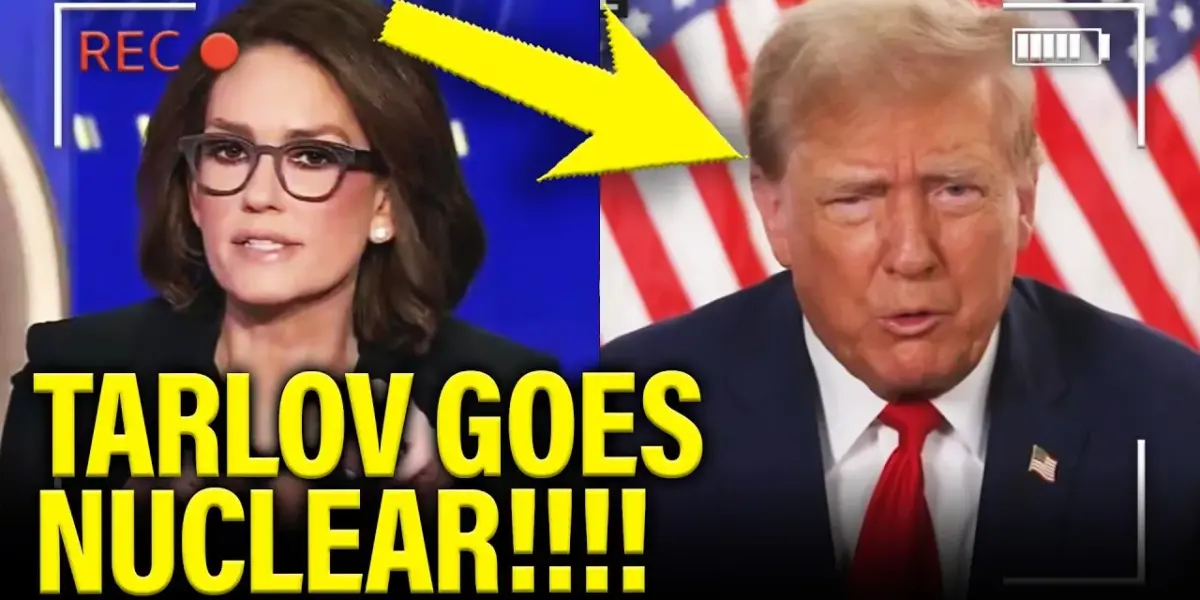
Trump’s Ceasefire Claims Crumble Amidst Real-World Violence
A recent discussion on a news program highlighted serious doubts about a claimed ceasefire, suggesting that claims made by former President Donald Trump were not only untrue but also dangerous. The coverage focused on reporting that, while a ceasefire was announced, violence continued, particularly in Lebanon. This situation raises questions about the effectiveness and honesty of diplomatic pronouncements during times of conflict.
The Reality on the Ground
The program presented a stark contrast between official announcements and the events unfolding. Reports described split screens showing the White House announcing a ceasefire while missiles simultaneously rained down. Evidence suggested that Israel was launching rockets into Iran and that the day in Lebanon saw one of the highest death tolls of the conflict. This indicates that the supposed ceasefire was, in reality, a fiction, with deadly actions continuing unabated.
A Shifting Narrative
Initially, Iran presented a 10-point plan that was reportedly deemed unacceptable and quickly dismissed by President Trump’s team. However, as deadlines approached and military actions intensified, Iran submitted a revised, more reasonable plan. This new proposal was seen as a workable basis for negotiation, aiming to align with the U.S.’s own 15-point proposal. Key demands, such as ending Iran’s nuclear enrichment, remained non-negotiable for the U.S. team.
The idea that President Trump would ever accept an Iranian wish list as a deal is completely absurd.
The analysis suggested that Trump is accustomed to making claims that his supporters accept without question. However, applying this tactic on a global stage, especially concerning a visible conflict, proved problematic. Unlike domestic political claims, the realities of war are often visible to many, making it harder to control the narrative. Efforts to control media, like those concerning TikTok, were mentioned as attempts to manage information, but a growing number of news outlets, including some American ones, were willing to report the truth.
Internal and External Criticism
The report indicated that even within conservative media circles, there was significant pushback against the proposed deal. Figures like Mark Levin and Larry Kudlow reportedly expressed strong criticism. Concerns were raised about the potential terms of the deal, such as Iran retaining control of the Strait of Hormuz, charging high fees for passage, and potentially using untraceable cryptocurrency for payments. Furthermore, the deal reportedly did not require Iran to shut down its nuclear program, allowed for continued uranium enrichment, and did not stop its support for proxy forces like Hezbollah. The lifting of sanctions, including a significant amount already removed, was also a point of contention.
Historical Context and Influences
A significant piece of the discussion referenced reporting about a meeting on February 11th involving Israeli Prime Minister Netanyahu and U.S. leadership. It was suggested that Israel pitched the idea of a war, and that President Trump and others showed interest. This brings up historical patterns where Israeli requests have influenced U.S. foreign policy decisions in the Middle East. The influence of individuals like Jared Kushner and Steve Bannon, who are seen as strongly pro-Israel, was also noted, suggesting that some seek to negotiate with individuals perceived as less aligned with Israeli interests.
The Human Cost of Falsehoods
The claim of a ceasefire was not just seen as an intellectual offense but as a grave insult to the victims of ongoing violence. The report highlighted that 182 Lebanese individuals died in a single day due to Israeli strikes during the period of the supposed ceasefire. This made it the deadliest day of the war in Lebanon. The audacity of claiming a ceasefire while U.S.-supplied weapons were used in such deadly attacks was strongly criticized. The analysis argued that these lies were dangerous and a disgrace, especially considering the lives lost due to American and Israeli actions.
Broader Implications and Shifting Alliances
The discussion extended to the personal conduct of leaders, questioning the appropriateness of casually threatening entire civilizations on social media. While acknowledging that Trump’s communication style can be intentionally provocative, the speaker found this instance to be particularly irresponsible and disgusting. The tactic of using threats of mass civilian casualties as a negotiation strategy was deemed wrong and a reflection of a leader’s character and the nation’s standing in global negotiations. The need for a leader to avoid war crimes while appearing strong was emphasized.
Interestingly, the criticism of the war and Trump’s handling of it was noted to be coming from unexpected sources, including figures like Tucker Carlson and Megan Kelly. Megan Kelly, who had previously supported Trump despite personal slights, was now speaking out. This shift was interpreted in two ways: either she perceived Trump’s power diminishing, or she was aligning with potential successors like Tucker Carlson, who might run for president in 2028. The influence of such media personalities on conservative voters was deemed significant, suggesting that their criticism could encourage other Republicans to speak out. This could potentially lead to Congress reasserting its constitutional power to declare war.
Why This Matters
This situation underscores the critical importance of truthful reporting and accountability in foreign policy and conflict. When official statements about peace or de-escalation are contradicted by ongoing violence, it erodes trust and can have devastating human consequences. The analysis highlights how political narratives, even those presented by prominent figures, can be challenged by verifiable facts and independent journalism. The willingness of figures like those on Fox News to question a narrative, even if it stems from a place of criticism, signals a potential fracturing of support and a return to more fact-based discourse. Furthermore, the discussion raises concerns about the influence of foreign policy decisions on domestic politics and the role of media in shaping public opinion, especially when significant geopolitical events are involved.
Future Outlook
The trend observed suggests a growing willingness to scrutinize and challenge political rhetoric, even within typically supportive media ecosystems. This could lead to greater transparency and a more informed public debate on critical foreign policy issues. The potential for figures like Tucker Carlson to shape future political discourse and for Congress to reassert its war-making powers are significant implications. The long-term impact on international relations and the credibility of U.S. diplomacy will depend on whether this trend towards accountability continues and whether leaders prioritize factual accuracy over political expediency.
Source: Trump PANICS as Fox host EXPOSES Ceasefire FAILURE (YouTube)

Related Articles
Trump’s Fox Interview Reveals Reckless Global Threats, Economic Risks
Donald Trump's recent Fox interview revealed alarming threats against Iran and questionable economic predictions. He discussed potentially destroying Iran's infrastructure and acknowledged the economic risks, yet also claimed current economic success. The interview highlights concerns about his foreign policy and economic judgment.

Trump’s Presidency Plummets: Economic Woes Eclipse Distractions
A recent analysis suggests Donald Trump's presidency is experiencing a significant downturn, particularly concerning the economy. Rising costs and stagnant wages are being overshadowed by distractions, but the economy's struggles directly impact Americans' daily lives.
Trump Returns to D.C.: A Political Homecoming?
Former President Donald Trump made a notable return to the Washington D.C. area, landing at Joint Base Andrews. This visit, his first since leaving office, sparks speculation about his future political involvement and continued influence.