Transit Violence Sparks Safety Fears Nationwide
Recent violent attacks on public transit across the US, including a machete stabbing in NYC and arson in Chicago, have sparked widespread fear. Millions of commuters question their safety as authorities grapple with increased patrols and proposed bans. These incidents highlight broader challenges in public security and trust.

Transit Violence Sparks Safety Fears Nationwide
Recent violent attacks on public transit across the United States have left passengers nationwide feeling unsafe. These incidents, ranging from stabbings to arson, are raising serious questions about security and how to protect millions of daily commuters.
New York City Attack Highlights Growing Concern
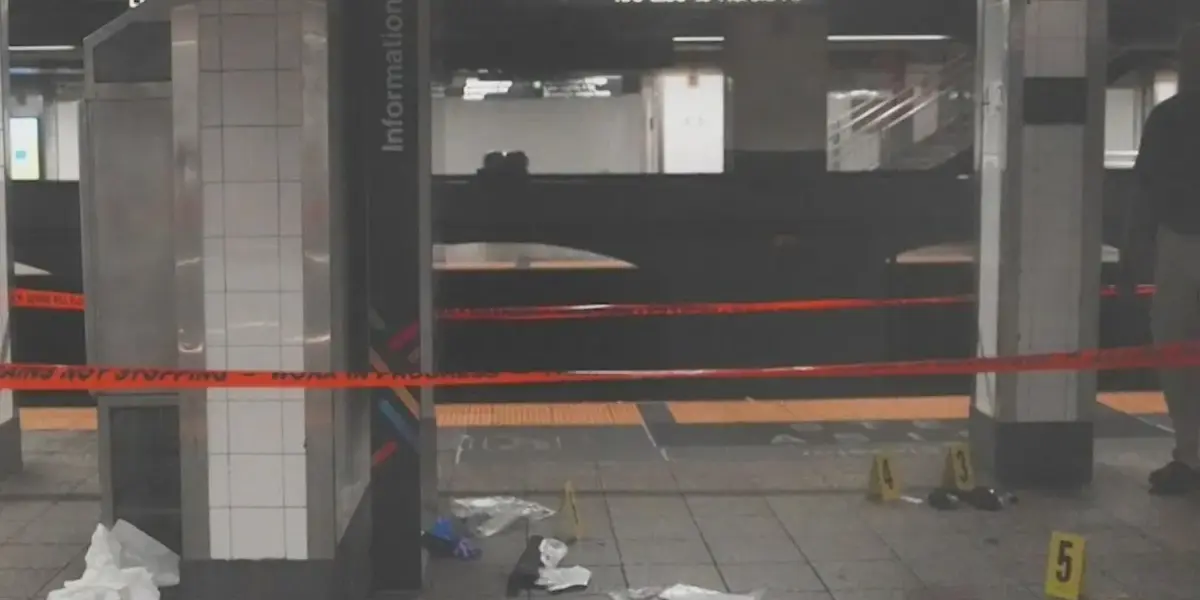
A recent machete attack at New York City’s Grand Central Station brought the issue into sharp focus. A man identified as 44-year-old Anthony Griffin, who called himself Lucifer, stabbed three senior citizens on a subway platform. Police responded and shot Griffin, who later died from his injuries. Fortunately, all three victims survived. This event has many passengers worried about their safety, especially in major transit hubs.
A Pattern of Disturbing Incidents
The Grand Central attack is not an isolated event. In August, a Ukrainian refugee named Sky was fatally stabbed on a train in Charlotte, North Carolina. This attack was described as unprovoked. In Chicago, a woman was set on fire by a stranger on a train back in November. She thankfully survived and was only recently released from the hospital after two months. Another tragedy struck New York last month when an 83-year-old Air Force veteran was killed after being pushed in front of an oncoming train in Manhattan.
Calls for Action and Increased Security
These incidents have put pressure on leaders to act. In New York City, police have increased patrols on subways, adding over 175 new officers. These officers are focused on preventing violence and responding quickly when incidents occur. Governor Kathy Hochul has proposed banning anyone convicted of attacking a passenger from the subway system for three years. However, some critics argue this ban could prevent people from getting to jobs or medical appointments.
Statistics Show Rising Assaults
Data from New York shows a significant rise in assaults on transit workers. Over a ten-year period ending in 2024, these assaults jumped by 2132%. This statistic highlights a broader problem of safety concerns within the transit system.
The Broader Impact on Commuters
Millions of people rely on public transportation every day. They expect to reach their destinations safely. The recent surge in violent incidents is making many commuters feel on edge. They are questioning what needs to be done to ensure their safety on trains and buses.
Future Scenarios and Solutions
The question on everyone’s mind is: why does this keep happening? In Chicago, the suspect in the train arson case had 72 prior arrests. This raises questions about the effectiveness of current systems. While increased police presence is one response, other solutions might be needed. These could include better mental health support, improved surveillance, or community outreach programs. Finding a balance between security and accessibility for all passengers remains a major challenge.
Why This Reshapes the World Order
While these events are primarily domestic issues, they touch on larger themes. The safety and security of public spaces are fundamental to the functioning of any society. When these spaces feel threatened, it can erode public trust in institutions and government’s ability to protect its citizens. This erosion of trust can have ripple effects, influencing how people interact with their communities and their willingness to use public services. It also highlights the ongoing challenges in addressing issues like mental health crises and crime, which often intersect with public safety concerns.
Historical Context
Public transit has always been a vital part of urban life, connecting people and economies. Historically, transit systems have faced challenges, from overcrowding to crime. However, the nature and perceived randomness of recent attacks, like the unprovoked stabbings and arson, create a different kind of fear. It suggests a breakdown in social order or an increase in individuals acting out violently in public spaces, which concerns authorities and the public alike.
Economic Considerations
Public transit systems are economic engines. They allow people to get to work, school, and shopping. When people feel unsafe, they may choose to drive or avoid travel altogether. This can hurt businesses and reduce economic activity. Furthermore, the cost of increased security measures, like more police officers, adds to the financial burden on transit agencies and taxpayers.
Regional Dynamics and Power Balances
While the incidents are spread across different cities and states, they reflect common challenges faced by urban centers nationwide. The responses from city mayors and state governors, like those in New York and potential actions in Chicago and North Carolina, show a localized approach to a national problem. The effectiveness of these varied responses will be closely watched, as they could set precedents for other cities dealing with similar issues.
Looking Ahead
The coming months will be critical in determining how effectively these safety concerns are addressed. Continued dialogue between officials, transit authorities, and the public will be necessary. Finding comprehensive solutions that balance security needs with the everyday realities of commuting is essential for restoring confidence in public transportation.
Source: Slew of incidents on public transit raises concerns for passengers nationwide | NewsNation Prime (YouTube)

Related Articles


North Carolina Manhunt: Domestic Violence Ignites Arson Fears
A manhunt is underway in Sampson County, North Carolina, for Franklin Fairclough, accused of intentionally setting a woman on fire. The victim suffered severe burns and remains in critical condition. Fairclough faces charges including first-degree arson and attempted murder.


Sanders, Mamdani Ignite Union Fire in NYC
Senator Bernie Sanders and Assemblymember Zohran Mamdani rallied supporters in New York City to boost unionization efforts. The event highlighted the growing desire among workers for collective bargaining and fair treatment. Independent reporting captured personal stories behind the push for organized labor.


Man identifying as ‘Lucifer’ attacks subway riders
A man identifying as 'Lucifer' attacked three elderly individuals with a machete at New York's Grand Central Station before being shot and killed by police. The victims sustained non-life-threatening injuries. Investigators are probing the motive behind the seemingly random assault.