Trump Orders Strait of Hormuz Blockade; Oil Prices Surge
President Trump announced an immediate blockade of the Strait of Hormuz, a vital global oil chokepoint, following failed Iran negotiations. This move has triggered an $8-$9 surge in oil prices, with experts warning of further increases in gasoline and diesel costs worldwide. The blockade raises concerns about global supply and potential inflation.

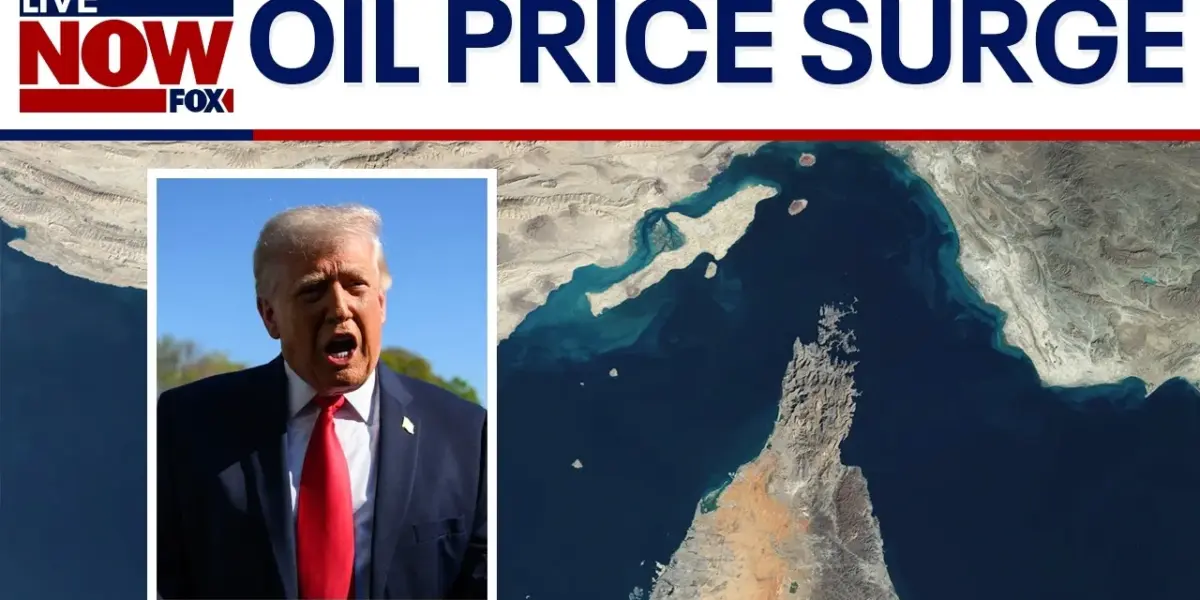
Trump Orders Strait of Hormuz Blockade, Sparking Oil Price Surge
President Donald Trump announced an immediate blockade of the Strait of Hormuz following failed negotiations with Iran. This crucial energy chokepoint, vital for global oil transport, is now under a U.S. Navy-enforced closure. The announcement sent oil prices climbing, with experts predicting further increases in gasoline and diesel costs.
Oil Prices Jump on Blockade News
Following President Trump’s declaration, oil prices saw an immediate surge of $8 to $9. Tom Clausa, Chief Energy Adviser at Gulf Oil, noted that Asian buyers have returned to the market, anticipating limited supply. “We’re looking at 10 to 20 cent increases for refined products, gasoline and diesel,” Clausa stated during an appearance on ‘Live Now from Fox.’ This rise was largely expected, given the disruption to global oil flow.
Strait of Hormuz: A Critical Chokepoint
The Strait of Hormuz is one of the world’s most important oil transit points. Approximately 20% of global oil consumption passes through this narrow waterway, connecting the Persian Gulf to the open ocean. Any disruption here has immediate and significant ripple effects on global energy markets.
Expert Analysis: Blockade’s Impact on Prices
Clausa elaborated on the potential long-term effects of the blockade. “We haven’t dealt with blockades in a while,” he explained. “The thought is that we’re not going to be seeing that minimal sort of exiting of the Persian Gulf. So crude oil is going to move higher.” He suggested that recent price drops in gasoline and diesel were likely temporary. “That was not a lasting downtrend. We need to get the oil exits restored,” Clausa emphasized.
He cautioned that the impact would be felt globally. “North America’s been okay, but don’t think that because prices are going or scorching higher in other markets that it’s not going to impact us. It will impact us.” The effects will first appear in jet fuel and diesel prices, followed by gasoline. Clausa pointed out that while workarounds exist for moving crude oil out of the Persian Gulf, there are fewer options for refined products like diesel and kerosene destined for Asia and other markets.
Physical vs. Futures Oil Prices
The disparity between physical oil prices and futures contracts is widening. “The actual physical price for oil is much much higher than the futures prices these days,” Clausa observed. Futures contracts, which are for future delivery, currently show lower prices. However, immediate needs come at a premium. “If you need it right now, you’re going to pay a lot more for it,” he said, citing deals for Brent crude at around $140 per barrel and over $170 in Asia for crude oil outside the Persian Gulf.
Global Reach of the Blockade
While North America is less dependent on Persian Gulf crude, many other regions are not. “Particularly Asia, Africa, and Australia,” Clausa noted. The blockade could create dire situations for these countries if they cannot secure sufficient oil supplies. He anticipates April will be a “very, very messy” month, with May expected to start similarly.
Midterm Elections and Gas Prices
President Trump expressed optimism that gas prices might stabilize or even decrease by the midterm elections. However, Clausa’s analysis suggests otherwise. “I think you’ve taken out sub-$3 gasoline for the United States for 2026. That’s not going to happen,” he stated. The question remains whether prices can return to the $3 to $3.50 range in the latter half of the year. The first half is expected to be difficult and costly, potentially worsening inflation, especially for diesel and jet fuel.
Mines in the Strait and Shipping Costs
Recent reports of the U.S. Navy clearing mines in the Strait of Hormuz have added another layer of concern. “There was some admission that the United States moved several vessels through, saying they’re trying to clear some mines,” Clausa mentioned. This reality of mines in the strait has spooked tankers and producers. Consequently, shipping costs have tripled or quadrupled. “The costs for shipping oil from one part of the world to another are three and four times what they were before this began,” he reported.
Regional Impacts on the U.S.
Clausa highlighted potential impacts on specific U.S. regions. The U.S. West Coast, known for volatile gasoline and diesel prices, could be the first to see significant price spikes. The U.S. Northeast is also vulnerable, as it relies on imported gasoline from Europe. “We’ve been dependent for the last couple of decades on about, you know, 300 to 400,000 barrels a day of gasoline that comes from Europe,” he explained. These “bookends of the country could be problematic going forward.”
Looking Ahead
The unfolding situation in the Strait of Hormuz presents significant challenges for global energy markets. The effectiveness and duration of the U.S. blockade, along with Iran’s response, will be critical factors. Consumers worldwide will be watching closely as oil prices continue to react to this geopolitical development, with potential implications for inflation and regional economies. The coming weeks and months will reveal the true extent of the blockade’s impact on the global oil supply and consumer costs.
Source: Trump's Iran blockade announcement sparks oil price surge (YouTube)

Related Articles

Trump’s Tariff Threat: 50% on China Over Iran Aid
Former President Donald Trump is threatening China with a 50% tariff if it aids Iran militarily. Meanwhile, Hungary's Prime Minister Viktor Orban has conceded election defeat after 16 years in power, with opposition leader Péter Magyar set for a landslide victory.


Trump’s Iran Deal Fallout: A Hostage to His Own Words?
An analysis of Donald Trump's alleged agreement to Iran's 10-point plan reveals concerns over significant concessions. Hosts on the Midas Touch Network and "Alien Super Show" dissect the potential implications, including Iran's control over the Strait of Hormuz and other strategic gains. The discussion questions the effectiveness and transparency of Trump's foreign policy decisions.


Trump’s NATO Meltdown: Public Rant, Private Plea
Donald Trump is publicly attacking NATO allies while allegedly privately begging them for help with the Strait of Hormuz. This contradictory approach raises concerns about his foreign policy and the future of international alliances.